


Few public figures have occupied as many facets of Japanese culture as Akihiro Miwa.
Over a career that stretched across more than seven decades, Miwa was a singer, actor, stage performer, author, television personality and voice actor whose influence reached audiences of vastly different generations.
There was the Miwa of the old generations known for provocative cabaret performances, chansons and theatrical productions. This was a very different Miwa that younger audiences encountered. Miwa’s unmistakable voice performances in the Studio Ghibli animated films, brought some of legendary director Hayo Miyazaki’s most memorable characters to life.
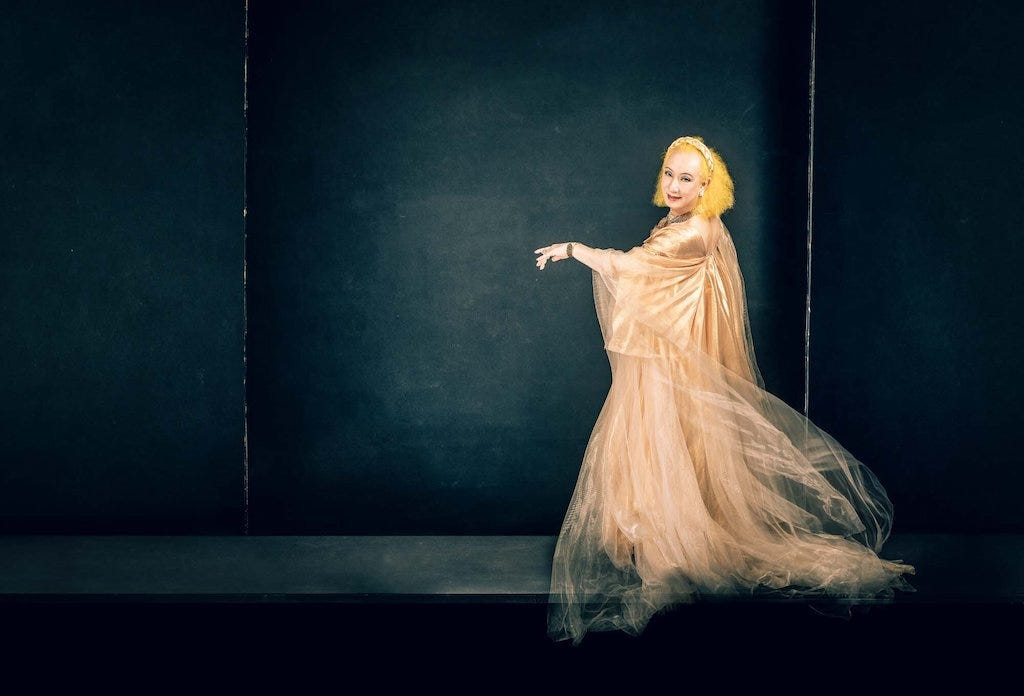
Miwa died on June 20, 2026, at the age of 91. The news was announced by the performer’s management office several days later, which said Miwa had died peacefully of natural causes after a period of declining health. According to The Japan Times there is no public memorial service planned in accordance to Miwa’s wishes only a private wake and funeral with close family members.
It’s a sombre reminder that despite Miwa’s integral influence on Japanese culture, where his art and performances existed solely in public realms, he was in many ways a private man.
Born Akihiro Maruyama in Nagasaki on May 15, 1935, Miwa’s childhood was marked by one of the defining events of the twentieth century. At the age of 10, Miwa survived the atomic bombing of Nagasaki, an experience that would leave a lasting impression and later inform outspoken advocacy for peace.
In later interviews, Miwa recalled losing friends, suffering illness after the bombing and carrying those memories throughout life. He told the Tokyo Journal in 2004 how the bombing affected him:
“Of course it affected me. It was like seeing hell. I lost a lot of my friends and people I knew. I never got keloid scars, but I lost my hair and anaemia made me dizzy. I suffered a long time from various side effects. And it changed the way I looked at things. Of course it was big, but for me the biggest experience was my childhood between the ages of one and ten. That’s what made me what I am and the bombing is part of that.”
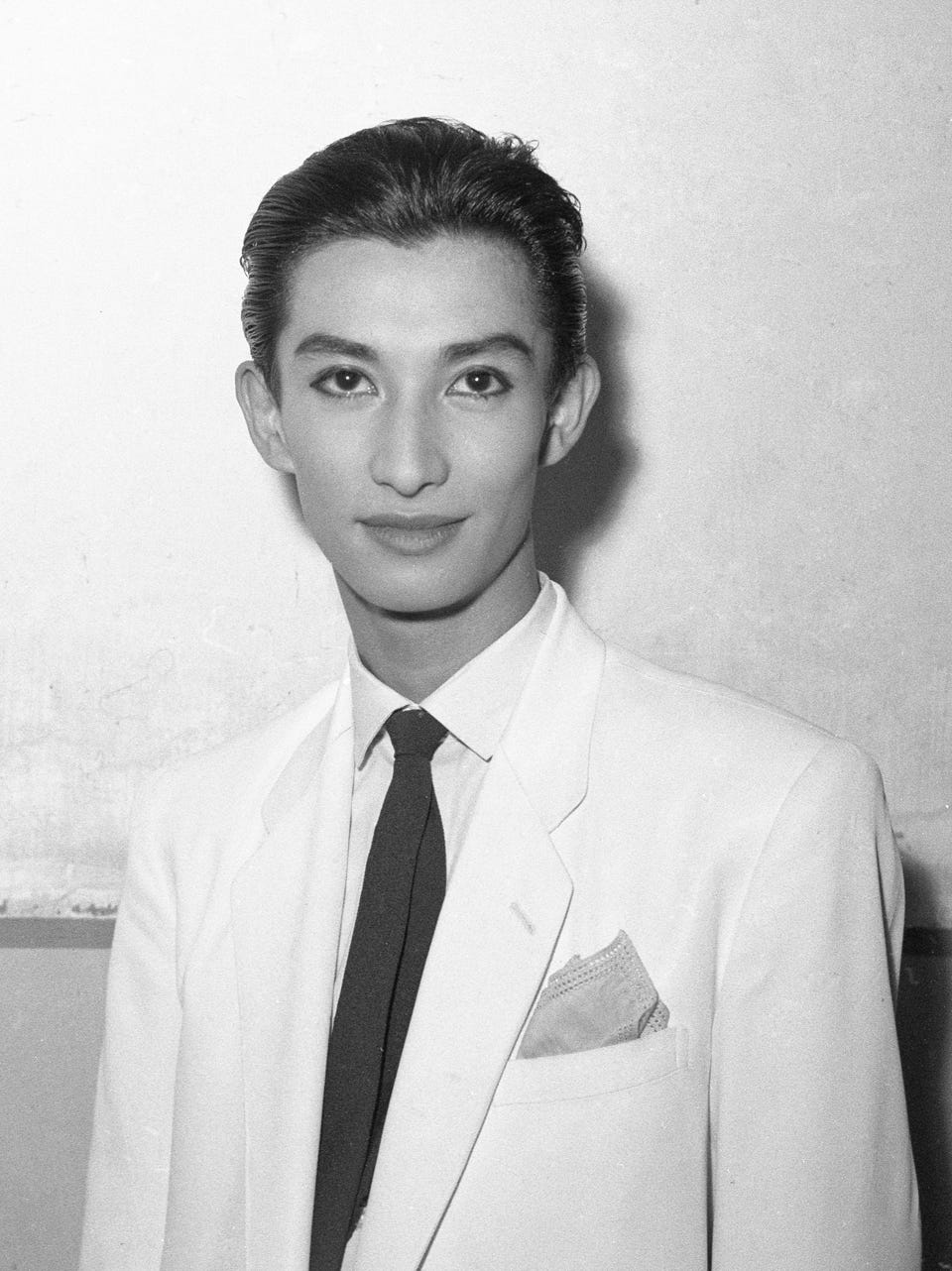
After the Second World War, Miwa moved to Tokyo and began performing professionally as a teenager. By the late 1950s, Miwa had become one of Japan’s most recognisable entertainers, helped by the success of the chanson-inspired hit Méqué Méqué, released in 1957. Its playful lyrics and cosmopolitan sound stood apart from mainstream Japanese popular music and established Miwa as a performer willing to ignore convention.
Miwa’s uninterest in conformity became a defining feature of his career. At a time when Japanese entertainment largely demanded rigid ideas about gender and appearance, Miwa appeared on stage with long golden hair, elaborate costumes and an androgynous public image that challenged expectations decades before conversations around gender identity entered the mainstream.
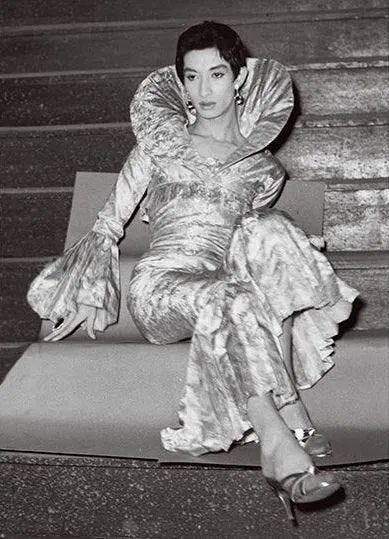
In 2018 when Miwa was chosen as a meiyo shimin, an honoured citizen, in Tokyo, he commented during his acceptance speech on this unwillingness to confirm.
“My life has been against social norms, and I raised a revolt in every field. Nevertheless, this honour is very generous. Thank you very much.”
Miwa’s status symbol as a person who lived outside of societal expectation was really an offset of his incredibly talent as a performer and a rich, broad career that moved between popular entertainment, serious theatre, and social commentary.
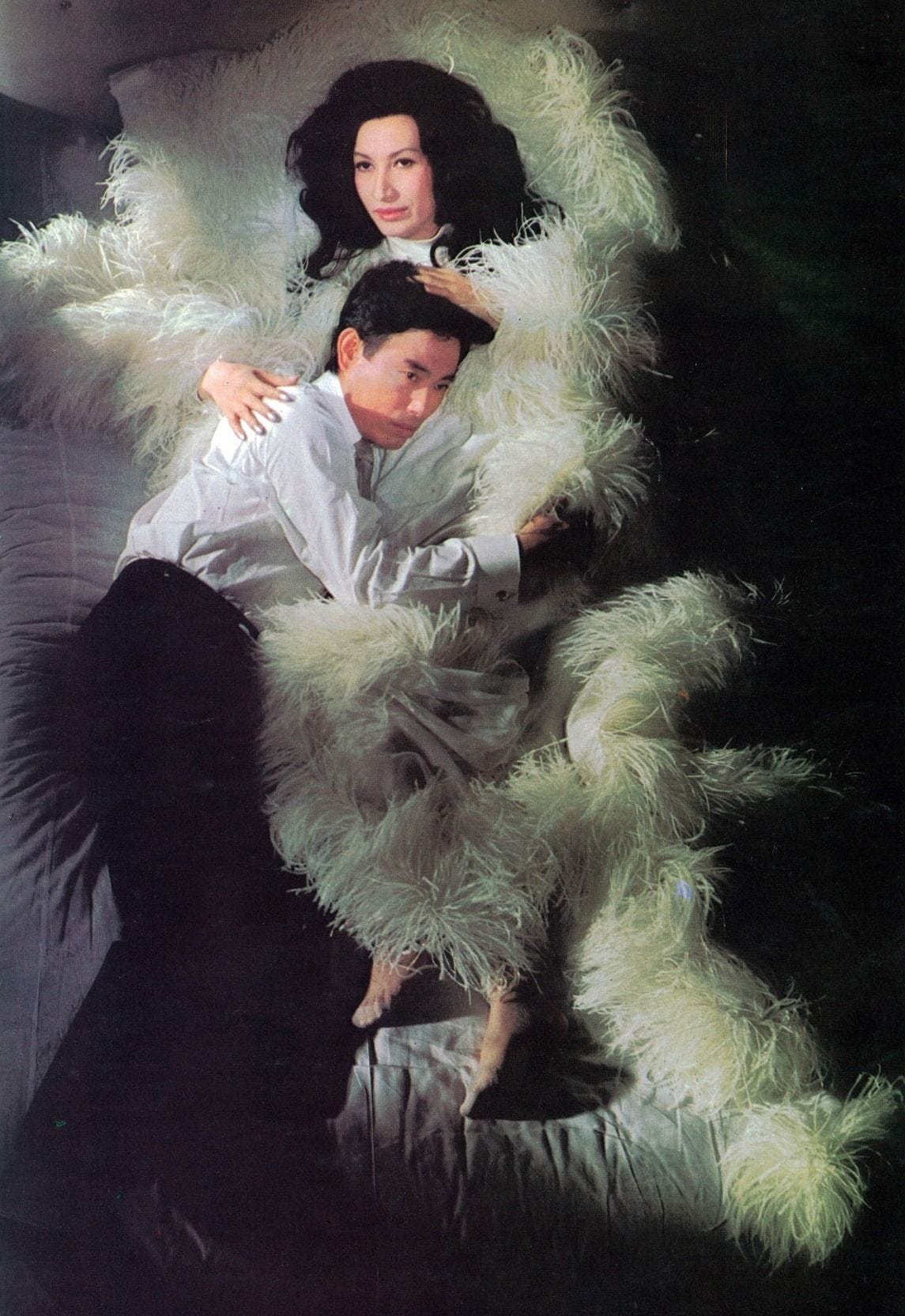
Among Miwa’s most celebrated stage roles was Black Lizard, adapted by the writer Yukio Mishima from the detective novel by Edogawa Ranpo. Miwa later reprised the role in Kinji Fukasaku’s 1968 film adaptation, delivering a performance that has since become one of the defining works of post-war Japanese cinema.
The collaboration between Mishima and Miwa helped cement both artists as cultural figures who were unafraid to blur the boundaries between literature, theatre and popular culture.
Music also remained central to Miwa’s work. Songs such as Yoitomake no Uta (The Day-Labourer’s Song) became closely associated with the performer, earning admiration for their emotional depth and their sympathetic portrayal of working-class life. The song, written and composed by Miwa, is allegedly based on the mother of his childhood friend who died while working as a day-labourer in the construction industry.
Another story behind the creation the song sites that Miwa was booked to perform in a small mining town in 1964, a show he thought was beneath him. However, when he noticed that the audience were workers who had gathered their small wages to purchase tickets, Miwa was overcome with shamed by his own assumption and attitude. The experience is said to have inspired Yoitomake no Uta, a song honouring the dignity and sacrifice of working-class families.
Watch Akihito Miwa perform Yoitomake no Uta
Throughout the following decades, Miwa continued to tour, record music and perform on stage while also publishing books and becoming a familiar presence on Japanese television.
Miwa’s international audiences grew from his work Miyazaki across a number of important animated films with Studio Ghibli.
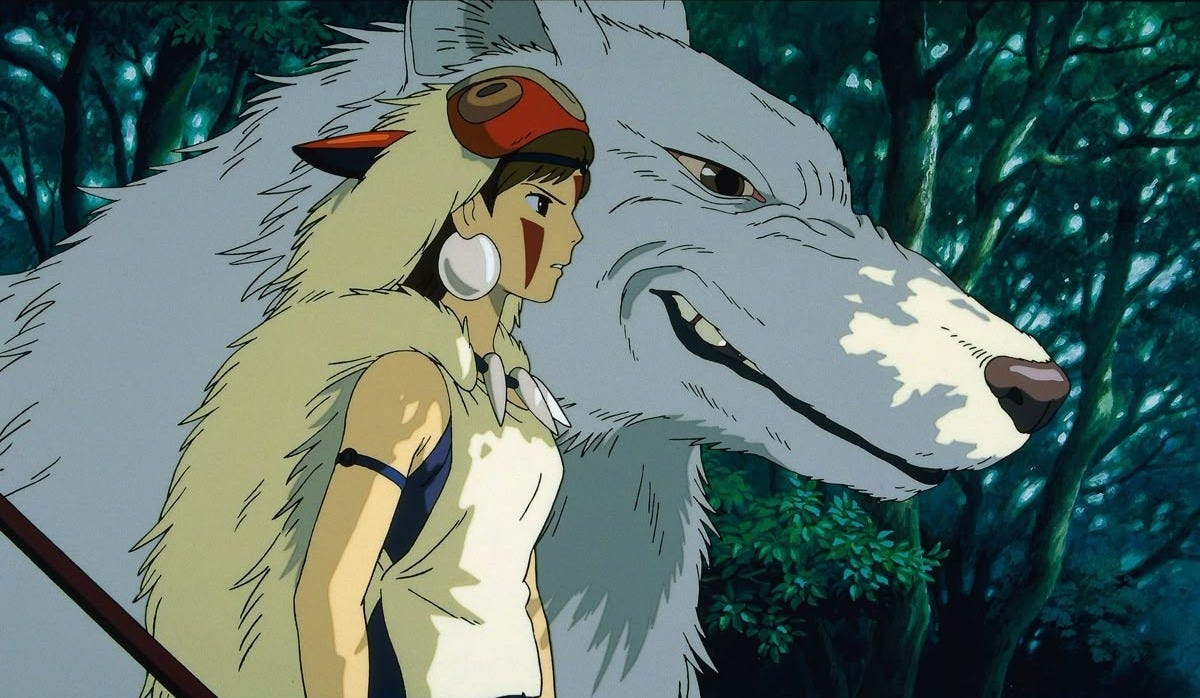
In 1986, Miyazaki cast Miwa as Uncle Pom in Castle in the Sky. Eleven years later, Miwa returned to Studio Ghibli as the voice of Moro, the fierce wolf goddess in Princess Mononoke. It was an unforgettable performance that balanced authority, tenderness and menace, making Moro one of the film’s most enduring characters.
In 2004, Miyazaki then cast Miwa as the flamboyant Witch of the Waste in his film Howl’s Moving Castle based on the novel by the British novelist Diana Wynne Jones. Again, here Miwa’s performance of one of the films most complicated characters was nuanced and unique.
Those three performances introduced Miwa to millions of viewers outside Japan and demonstrated an extraordinary vocal range.
Beyond performance, Miwa remained an outspoken commentator on Japanese society, advocating for peace, opposing war and challenging discrimination throughout public life.
One of the things I’ve admired about Miwa as an artist is that his views come from his personal experiences which are thoughtfully considered which then reflect a much broader idea or issue affecting society and culture.
In the same 2004 Tokyo Journal interview, Miwa spoke about language and how the particular use of words we use when it comes to war influences how we view some acts of violence as acceptable and others are not.
“The word “war” is such a decorative euphemism used to justify mass murder and destruction. We don’t need euphemisms. We shouldn’t call it “World War I,” we should call it “World Mass Murder I.” The word “soldier” should be changed to “murderer,” “military arms” should be called “murder weapons.” Why is it called a murder weapon if it’s used by an individual, but when a country uses it, it’s called “defensive armament.” It is bizarre. And if we don’t refuse to use these euphemisms we’re just part of the plot.”
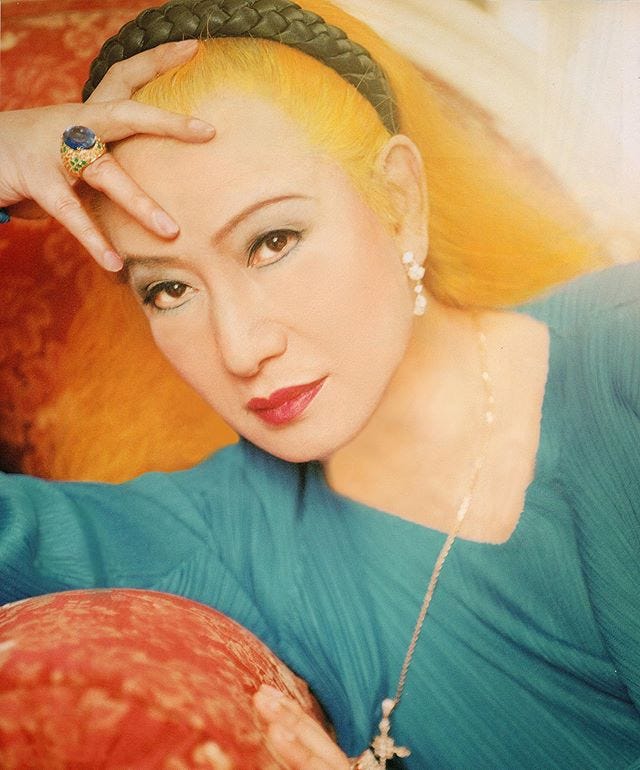
Perhaps Miwa’s refusal to fit into a single role explains his astute perceptions, range of performances, and why he maintained relevancy and interest for so long. Very few artists managed to speak simultaneously to lovers of theatre, cinema, music and animation while redefining ideas about celebrity and self-expression.
“Everything that is difficult to understand is treated as a monster,” is a quote often attributed to Miwa. It speaks to an artist who consistently stood outside convention, using that distance to observe society with unusual clarity and compassion. For more than seventy years, Miwa’s ability to live beyond social conventions of style, gender, and expressions challenged audiences to question exactly what they thought was difficult to understand while delivering powerful, poignant, and entertaining performances.