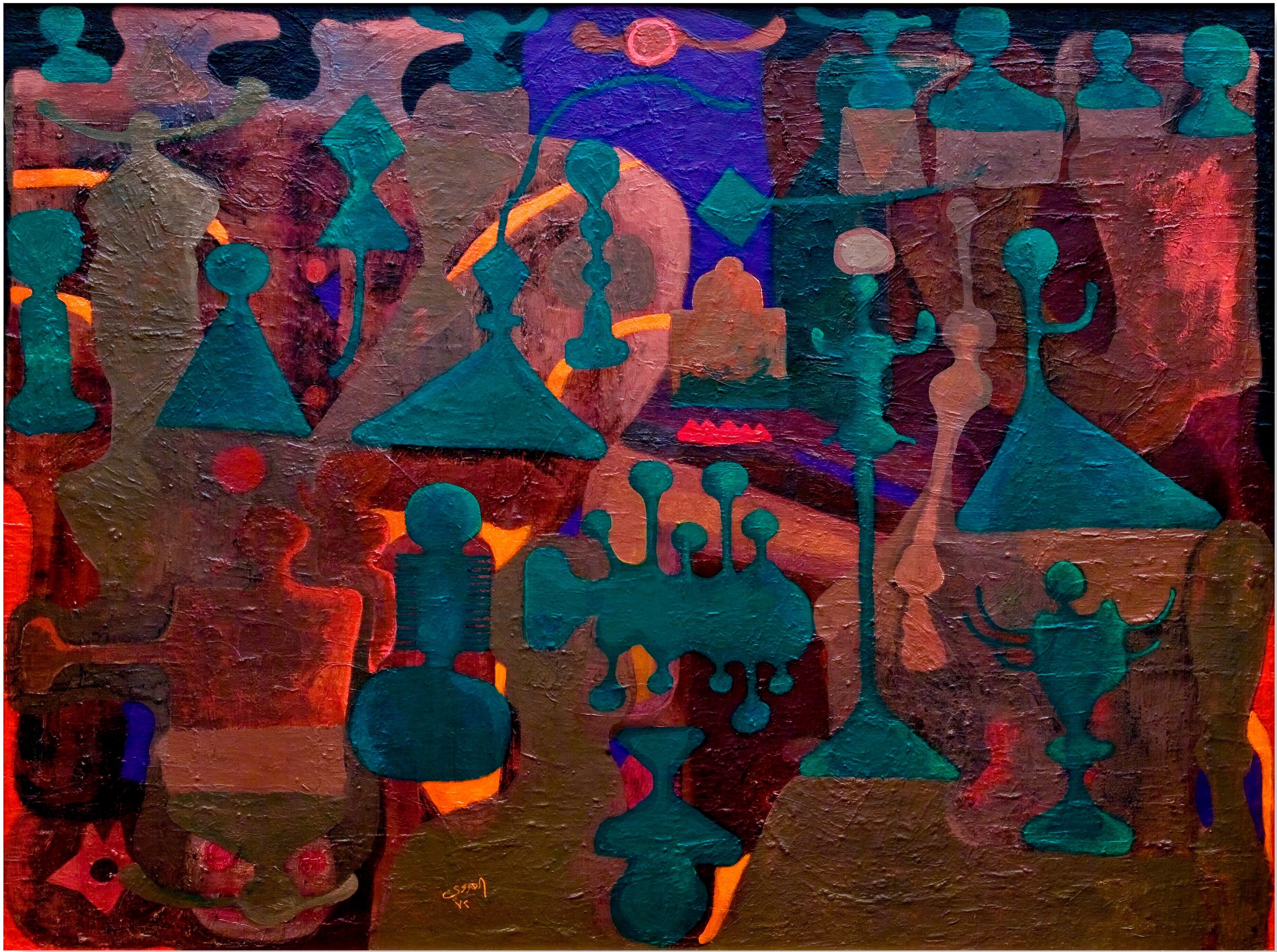
Christie’s auction house’s exhibition and auction, SILSILA: Highlights from the Dalloul Collection Including Modern & Contemporary Middle Eastern Art, brings together major figures of Arab modernism and contemporary practice. The sale runs online from 28 October to 11 November, with a live auction on 6 November at Christie’s King Street, London.
Ahead of the sale, a selection of works were on view at Christie’s Dubai from 3 to 10 October, offering visitors an early look at paintings by masters such as Mahmoud Said, Samia Halaby, Paul Guiragossian, and Mohamed Melehi.
“The Dalloul Collection is unparalleled in its scale and scope, offering an immersive journey through modern and contemporary Arab art history,” says Marie-Claire Thijsen, Head of Sale and Specialist at Christie’s London and Dubai.
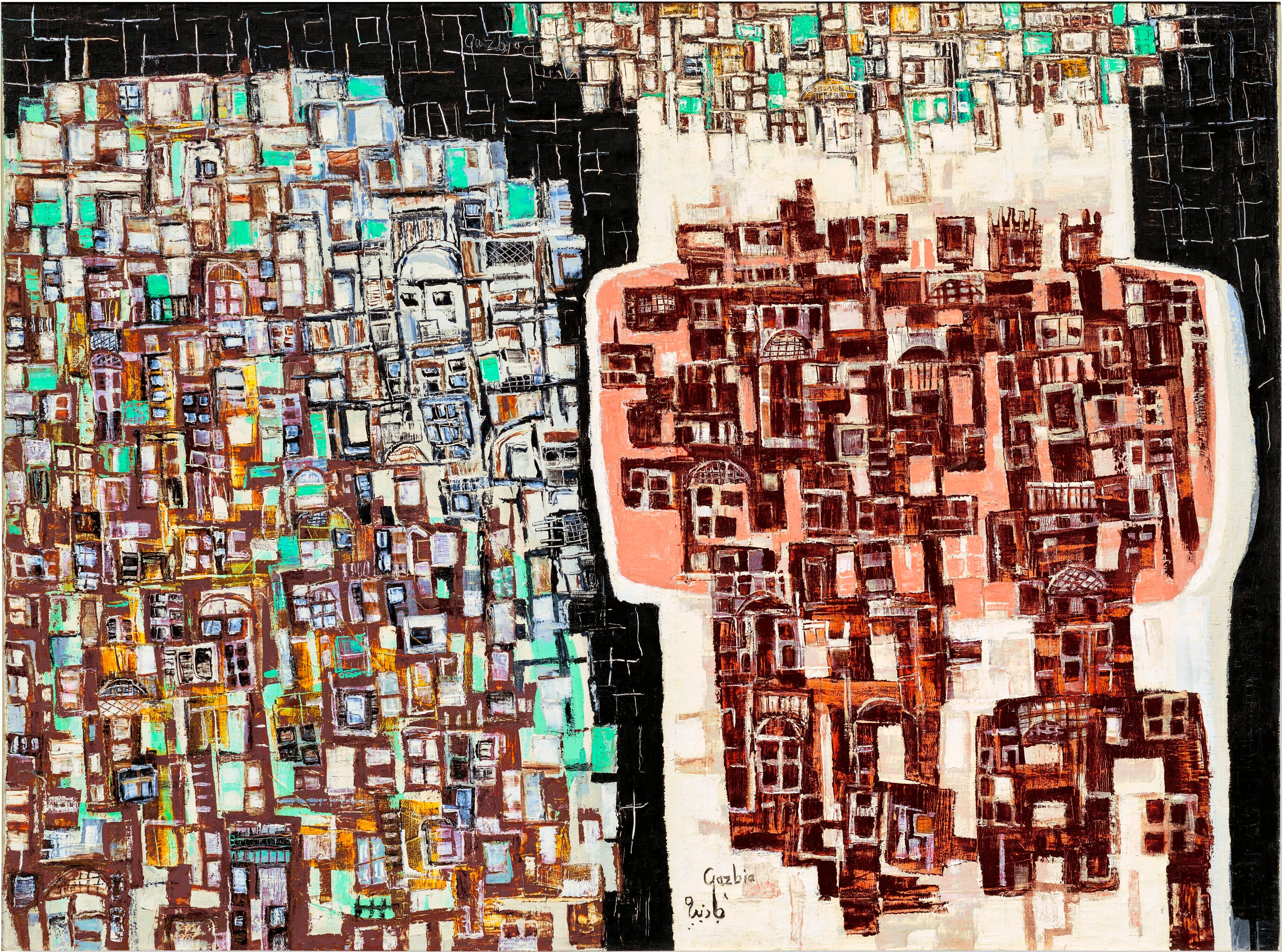
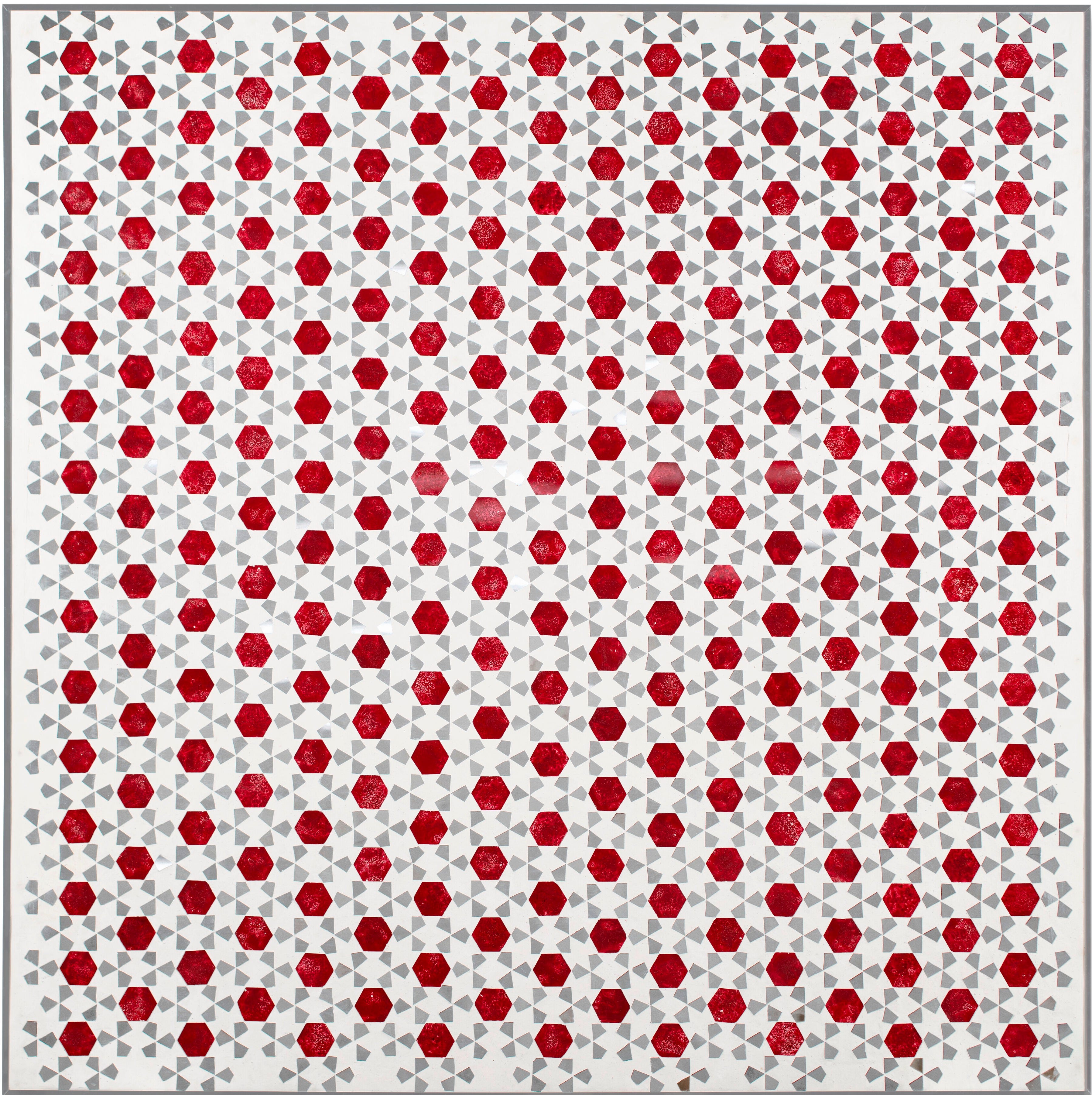
The collection spans early innovators such as Saïd, whose work laid the foundations for Egyptian modernism, Melehi, whose abstract forms drew from Morocco’s artisanal and architectural heritage, and Guiragossian, whose expressionist brushwork reflected the social and emotional dimensions of exile.
Seen together, these works chart the development of Arab modernism across the region, from Cairo and Beirut to Casablanca, capturing the range and evolution of visual languages that defined the 20th century.
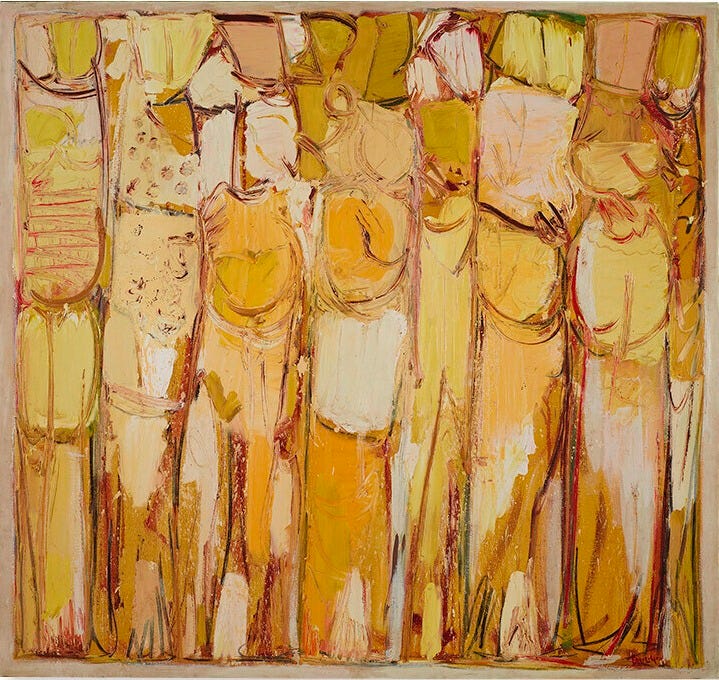
Following a series of record-setting auctions in recent years, SILSILA arrives at a moment of sustained institutional and market interest in Arab art. Its title—meaning “chain” or “sequence”—captures the idea of continuity, connecting early pioneers to contemporary artists who continue to expand those visual and political dialogues. Drawn from the Dalloul Collection in Beirut, the sale reflects both the intellectual depth and geographic breadth of Arab art over the last century.
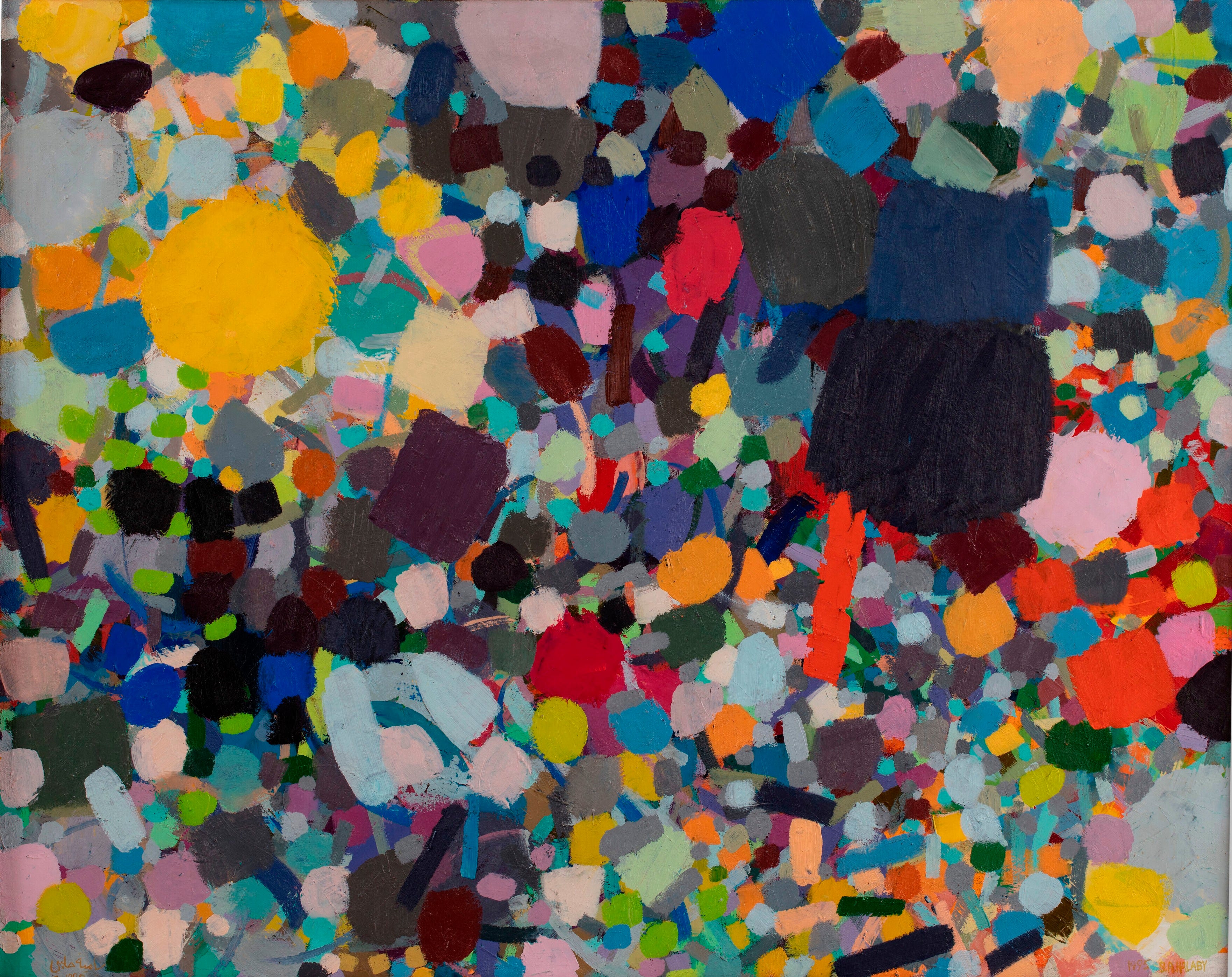
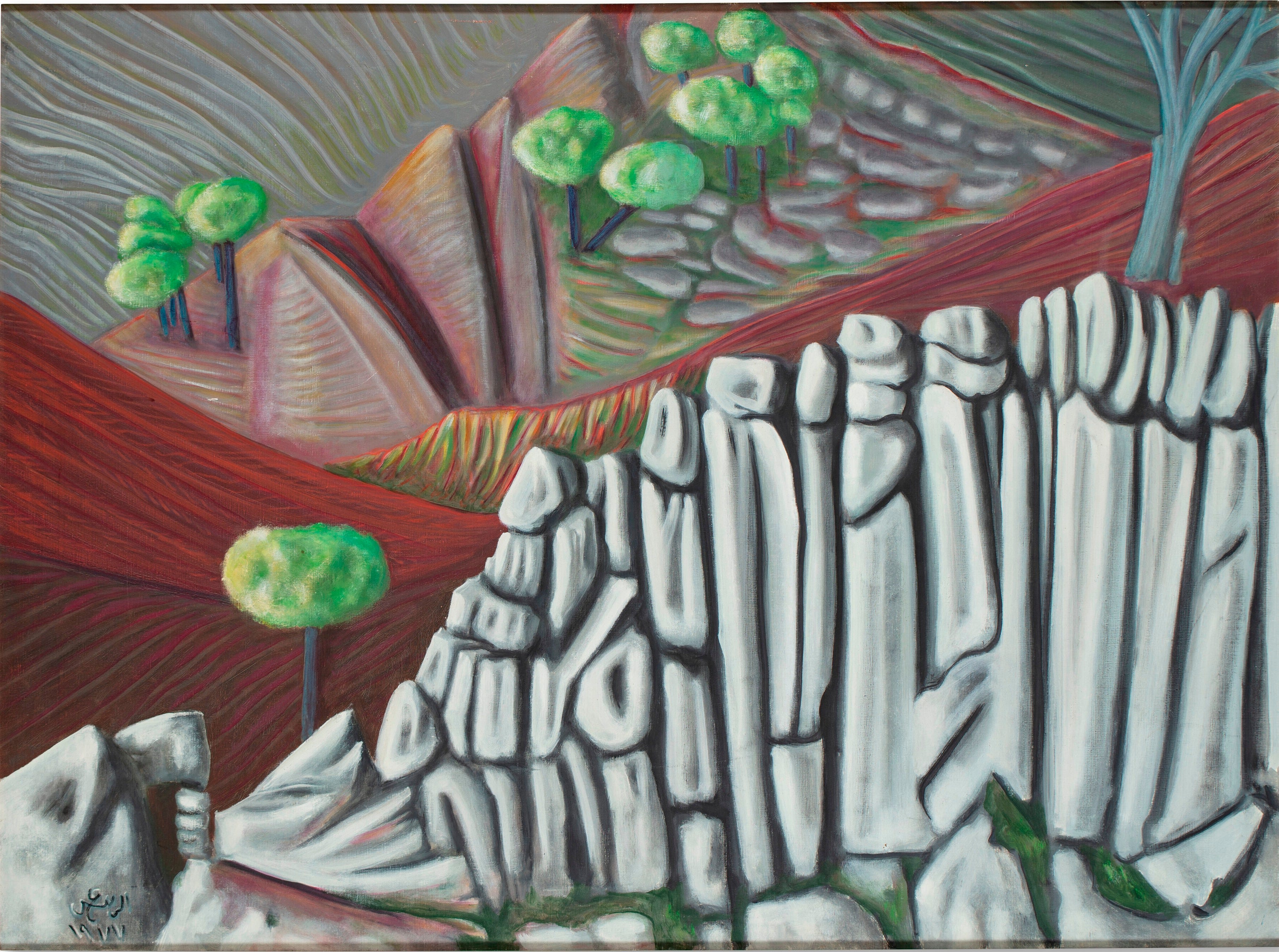
Highlights include Guiragossian’s Automme (Autumn), Halaby’s Gardenia, and Aref El Rayess’s Soukhour Meyrouba (The Rocks of Meyrouba). At the centre are two important works by Saïd.
The first La fille aux yeux the top lot of the sale, estimated at £250,000–350,000, painted in the early 1930s, sits within a formative period when the artist was defining what Egyptian modernism could look like.
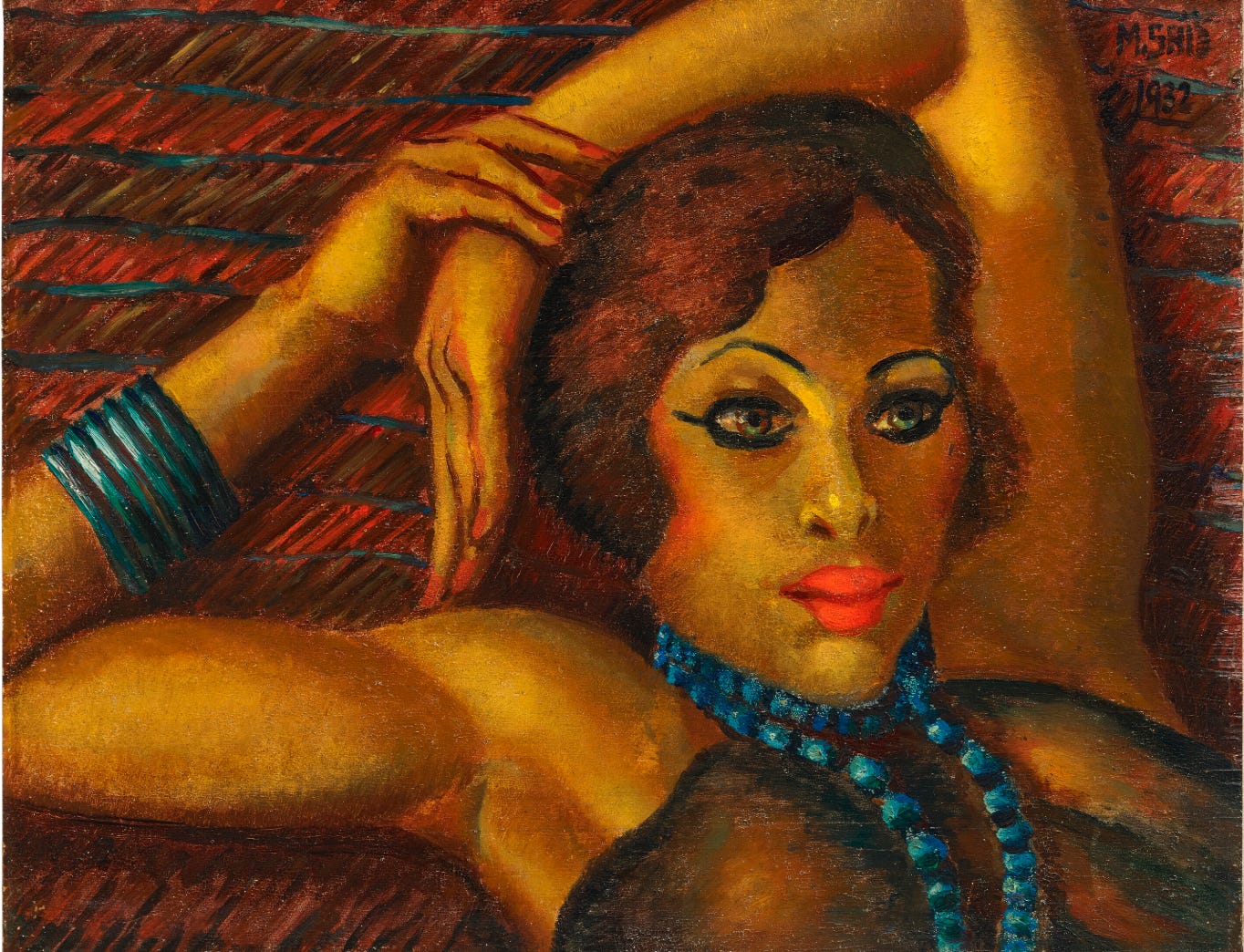
The portrait captures Saïd’s signature synthesis of European academic technique and Egyptian sensibility. The model is painted in stylised, measured detail yet grounded in a distinctly local presence. The work marks a moment when Saïd began shaping a visual language that bridged Alexandria and Paris, tradition and modernity
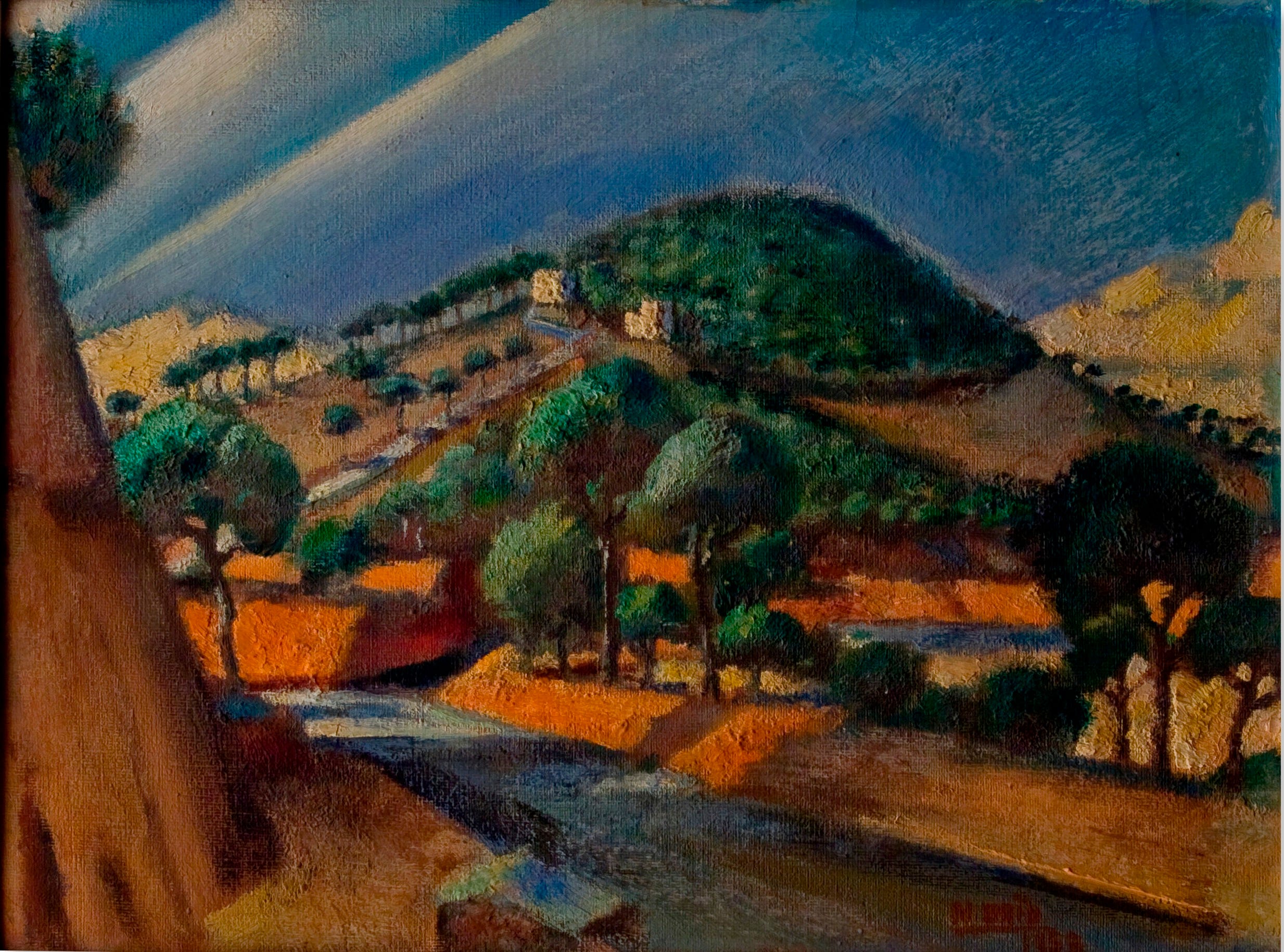
His other work La colline de Mekarzel (Mekarzel Hill) is a landscape painted in 1955 during his visits to Lebanon’s Beqaa Valley.
“This work is distinguished by its warm orange tones and deep greens, vividly evoking the region’s landscapes and atmosphere through radiant light,” Thijsen explains.
By this period, Saïd had reached artistic maturity, blending European and Egyptian influences into a distinctive personal style. His attention to light and composition lends the painting a sense of stillness and intimacy. Having remained in the Saïd family since its creation, La colline de Mekarzel now appears at auction for the first time.
The exhibition and auction highlight the growing institutional attention and museum acquisitions that have helped redefine how Arab modernism is understood within global art history. Artists such as Huguette Caland, Marwan, and Samia Halaby have each seen renewed recognition through major retrospectives and international fair presentations.
“Collectors are increasingly drawn to the profound depth and vibrant spirit of Arab art a testament to the rich artistic heritage, cultural resilience, and creative experimentation that emerged amidst complex socio-political realities,” says Thijsen.
She adds, “This period is pivotal because it reclaims Arab artists’ rightful place within the global story of modernism.”
The live auction takes place on 6 November, marking another step in the growing visibility of Arab art on the world stage. See below for more works that will be up for auction.