


Two decades after opening its doors, The Third Line gallery in Alserkal Avenue, marks its anniversary with The Only Way Out Is Through: The Twentieth Line, a landmark exhibition that tells the story of a contemporary gallery and its city that have both come into their own.
Curated by Shumon Basar and running until 28 December, the show looks back at the gallery’s history, as one of the first contemporary spaces in Dubai, while tracing the shifts that reshaped the UAE’s art ecosystem.
“I’m excited, proud, very emotional,” co-founder of The Third Line Sunny Rahbar tells The Culturelist.
“When we opened in 2005 there weren’t many artists on the ground and hardly any institutions. Now we have universities, galleries and so much production happening in the city as well. I don’t think this could have happened anywhere else in twenty years.”
The curation of the exhibition mirrors this shift in the UAE through a global lens. Works are arranged across four chronological sections spanning 2005 to 2025, each paired with a timeline marking cultural, political, and economic moments that shaped cities, countries, and the world. Visitors move from the financial crisis to regional uprisings, from the rise of new institutions to the pandemic, before arriving at the layered present.
This approach turns the gallery’s archive into a record of twenty years of artistic and regional change.
“So much has changed in Dubai’s ecosystem of art and artists which is crazy,” Rahbar says. “I don’t think this could have happened in twenty years anywhere else. It’s a testament to Dubai and the UAE, how things can be achieved and evolve in such a short period of time.”
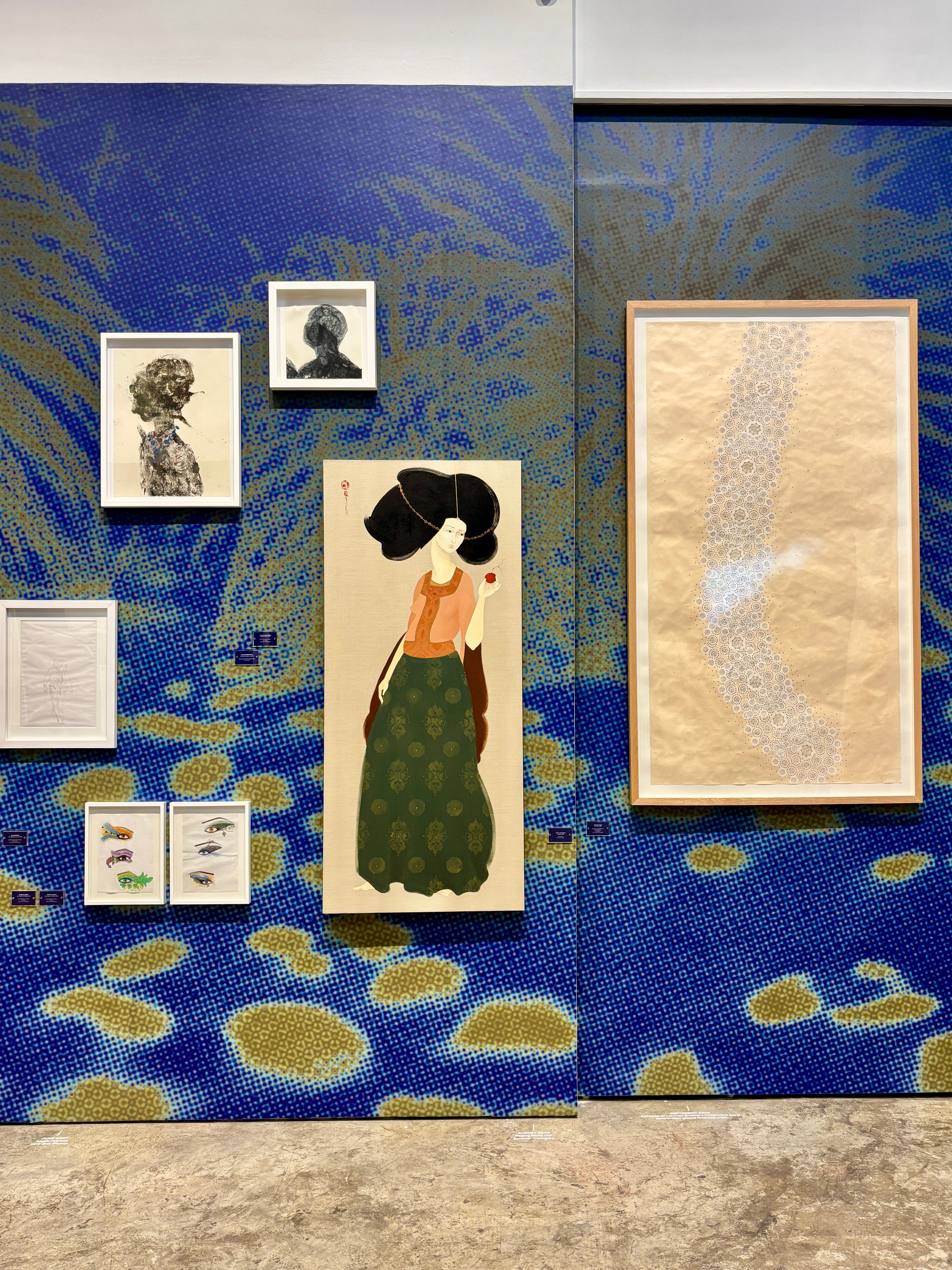
The exhibition also brings a variety of work together reflecting the range of voices shaping contemporary art from the region and its diaspora. These include, Iraqi American artist Hayv Kahraman, Iranian Canadian visual artist Abbas Akhavan, Moroccan Spanish artist Anuar Khalifi, Libyan Canadian photographer Arwa Abouon, French Syrian multimedia artist Bady Dalloul, and Lebanese filmmakers and artists Joana Hadjithomas and Khalil Joreige, the collective Slavs and Tatars, Egyptian artist Huda Lutfi, and many more.
Together, these works map the breadth of the practices The Third Line has supported since its founding, revealing the diversity of practice, themes, concepts, and thoughts that help define the open-ended meaning of artist from the Middle East.
“We always wanted to work with artists from the region and the diaspora, but not in a stereotypical way,” Rahbar says. “We wanted artists who had a strong language and message and weren’t trying to fit ideas of what an Arab or Iranian artist should make.”
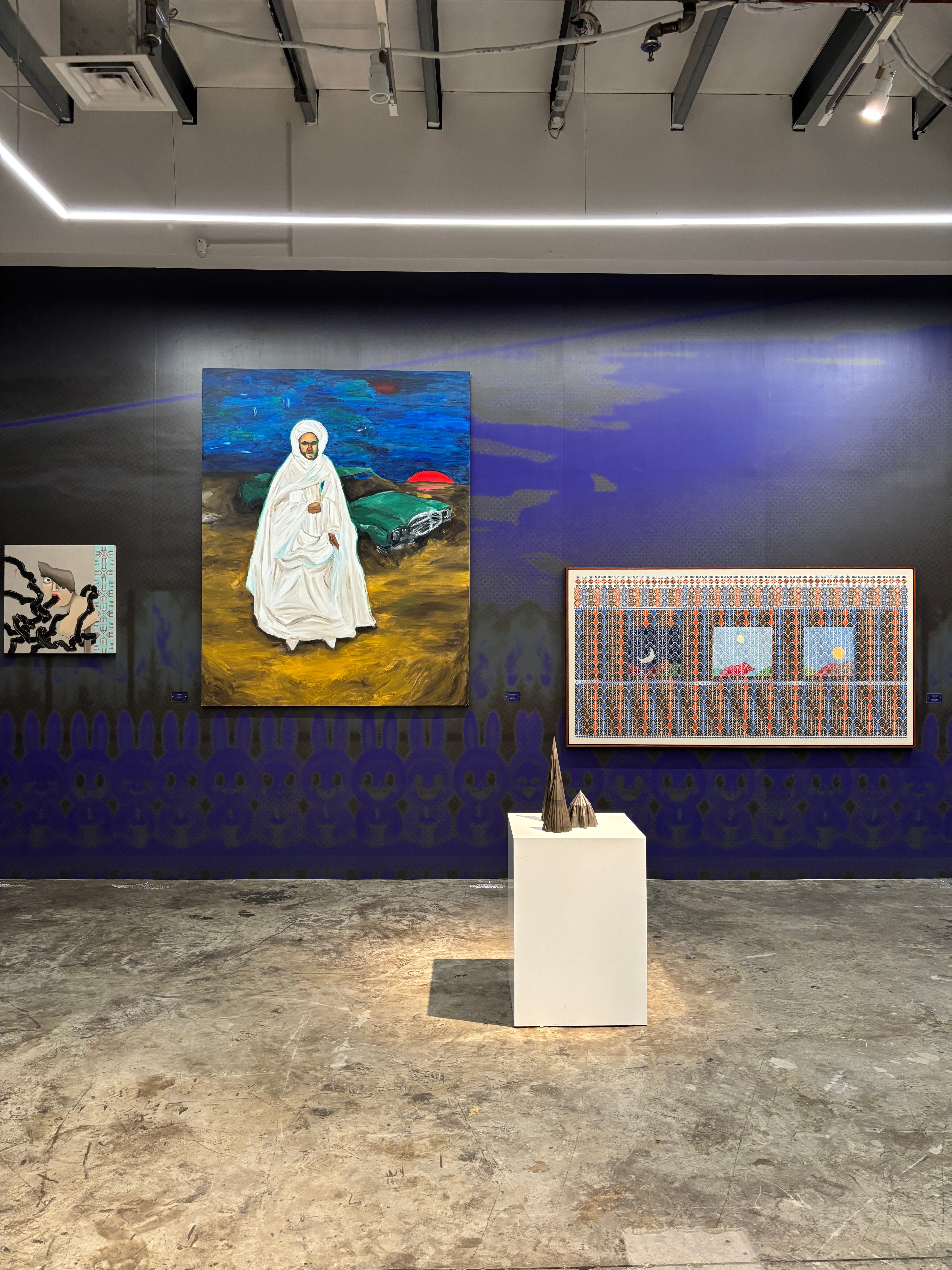
Rahbar sees the gallery’s story as part of a wider regional arc, one that works like an archival piece of social and culturual history. It was a vision that Rabar had when she first opened The Third Line.
“One of the things that I thought when we first started the gallery was that in 100 years I would like to be able to look back at the work that was made and not just to see the diversity,” she says.
“I wanted to also see the different styles of the different works that artists were making in response to their time.”
It’s also clear though the exhibition that The Third Line played a curial role in platforming these artists, shaping their careers, introducing them to a growing and curious population.
“We were driven by this passion that art can affect change, and I still believe that,” she says. “We believed it then, and we still believe it now. I think that’s how you endure: by having a passion and a deep desire to see things change.”