


It’s difficult to shake off that sacrilegious feeling of wanting to or actually giving up on finishing a novel you’re reading. Ghosting a novel. Yes, that’s what I’m calling it.
Whether we admit it or not, we have all had that hot desire to shut a book closed and hurl it across the room, never to think of it again.
I have indeed, in my frustration, in my boredom at the story I was forcing myself to consume, threw it so hard that it hit a framed drawing of a scene from Arabian Nights, sending them both crashing to the floor.
I didn’t regret it, and no I won’t be divulging the name of the novel.
I left the novel on the floor for a few days, felt I should have picked it up, attempted to revive something from our time together. I didn’t. Maybe it would get better, maybe there is an exciting incident, an element that I missed, that would be unforgettable after one more chapter, something incredible waiting for me.
Nope.
It’s best to cut off all communication, without warning, no explanation. The act of ghosting, with a books anyway, should come with a guilt free label.
It’s mystery to me why we feel guilty about giving up on a novel and ashamed to admit to people that we have.
This is especially the case when it comes to the novel of the moment, a popular bestseller, a book everyone is praising that’s sweeping all the literary awards. The next are the classics that we are, as writers, bibliophiles, or intellects, expected to have read with pleasure and can discuss at length.
No. I refused a long time ago to be part of this intellectually, readerly, farce.
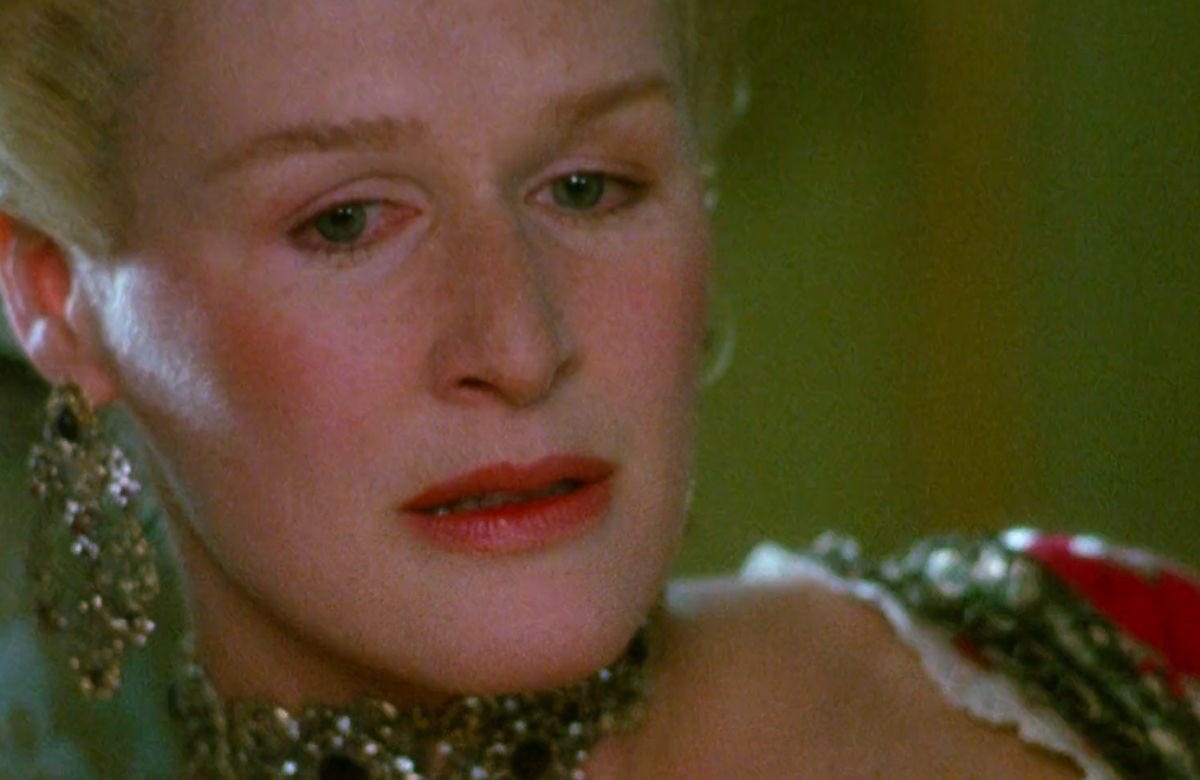
I’m an advocate for giving up on a book if it doesn’t engage you. Sure, it was difficult at first, but in the wise, slightly menacing words of the Marquise de Merteuil, brilliantly portrayed by Glenn Close in the film Dangerous Liaisons (1988):
“You’ll find the shame is like the pain, you only feel it once.”
This was edited from the novel by Pierre Choderlos de Laclos published in 1782 (a novel I did finish) where he wrote: “The shame caused by love is like its pain: one experiences it only once.” I find the original, though translated from French so a little clunky, truer to the feeling as it involves the concept of love.
If you read novels, you love reading.
An extension of that love means you have more novels you want to read than time to read them. It is the curse of every book worm. And we love it.
For the sake of both savouring the time we want to spend with good stories and not waste time with the ones we want to escape from, we must give ourselves grace and free ourselves of reader’s guilt.
You are allowed to give up on reading a masterpiece. Or any book for that matter. I hear your gasps through the screen by the way. But bear with me.
As a writer and a big reader, I’m always asked:
“Do you always finish the novel you’re reading? Do you ever feel like giving up? Or do you just get through it, finish it, even if you don’t enjoy it?”
People are often seeking permission for themselves to quit a book that makes them feel as though they are dragging their bodies across the Empty Quarter or are cursed to read the same sentence over and over until the idea of squeezing a lemon into their eye would be more stimulating.
Many people are riddled with guilt about starting a book and not finishing it. Somehow they feel it’s more appropriate to suffer.
My answer to this conundrum often surprises people. It’s this: If you’re not enjoying a book, stop reading it.
This shouldn’t apply to children by the way. It’s important for children and young adults to be bored by some books and figure out ways to make the reading experience more interesting. That’s for another essay though.
Most people are relieved by my answer. Reading shouldn’t feel like torture, this isn’t a trial in The Hunger Games. There is this idea out there that reading isn’t supposed to be for pleasure, that reading is studying, something we must persevere though in order to finish the last chapter and somehow become “better people.”
A laughable notion.
Reading, and especially reading novels, is meant to be enjoyed.
I have a very simple rule when it comes to reading. A novel’s first three chapters are there to entice me, captivate me, grip me, pull me into the narrative and through, until the end of story. This applies to novels, smaller novels, mammoth classics, something on my kindle, and audio books.
If I’m bored, struggling to understand, uncompelled to continue by the third chapter, I move on. For some this seems harsh, but believe me, in the past when I’ve preserved the story never got any better. In fact, forcing oneself to read a book that is bringing them no sense of curiosity or satisfaction can in fact put you off reading all together.

And this is what we don’t want to happen – imagine, being put off by reading because of one book.
There is no point being in the company of a story, exploring its world when it doesn’t spark any emotion other than regret.
In the words of the great Kim Cattrall in an interview with The Guardian in 2019:
“I don’t want to be in a situation for even an hour where I’m not enjoying myself.”
No truer words have ever been said.
The first three chapters of a novel are equivalent to a first date. I could flesh out this analogy and say the first three chapters are the equivalent to a three course meal on a first date or even, the first three chapters equate to the first three dates with someone.
You can tell a lot from the first ten minutes (sometimes less) of a first date.
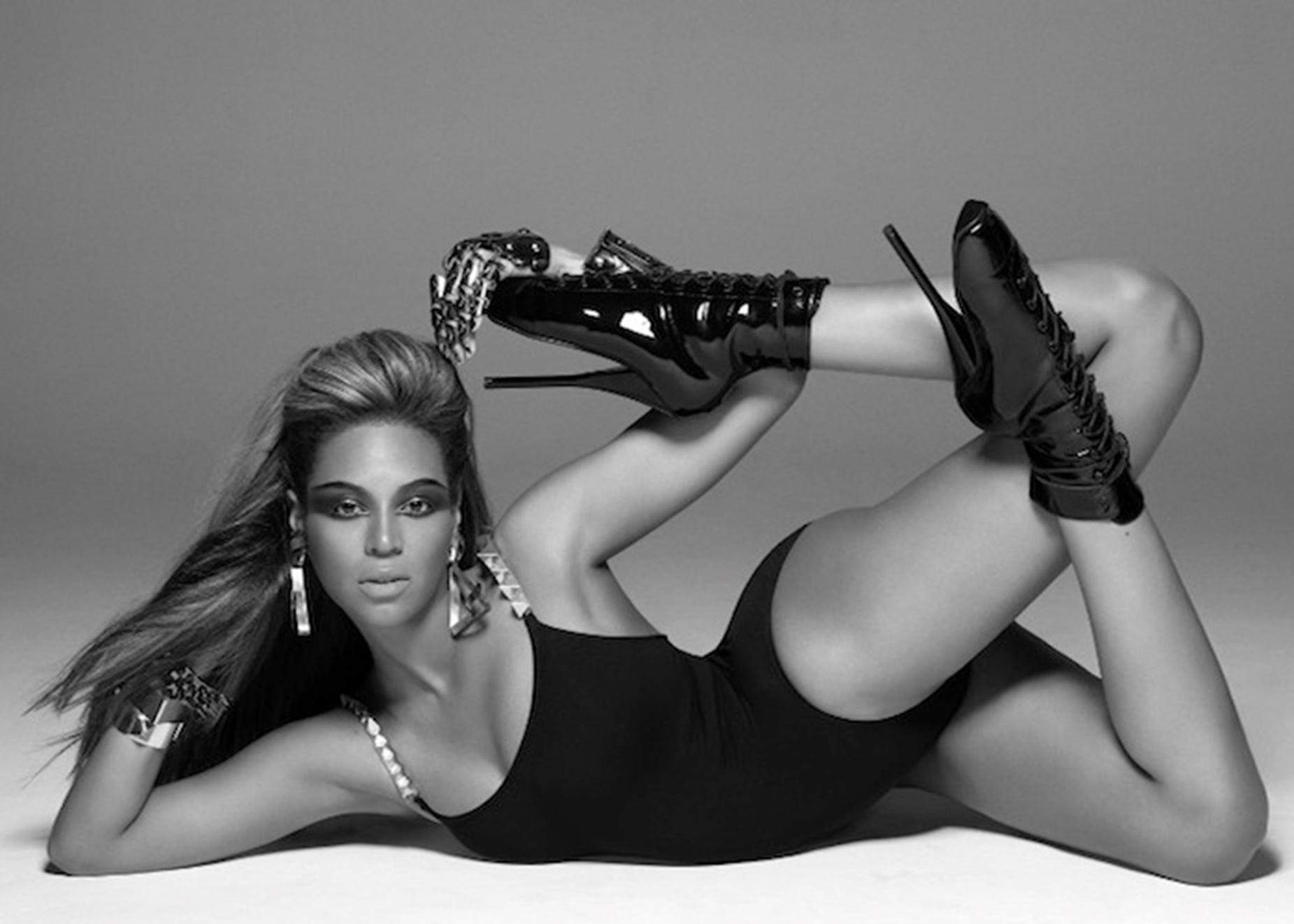
Specifically, if you have the desire to keep looking at this person’s face for one more second or if you want to do as Beyonce tells us in Single Ladies and act ‘like a ghost, I’ll be gone.’
If a date is terrible, most people have no problem ghosting or even blocking someone.
It’s the same for me when it comes to a book.
Now, I’m not advocating ghosting people. I’m pro-ghosting books, and actually anti blocking those same books. More on that a little further down.
Truth is, there are simply too many books I want to read.
A toppling TBR stack spreading like clusters of mushrooms across my apartment means I can’t waste another word, page, or chapter on a book that I’m done with.
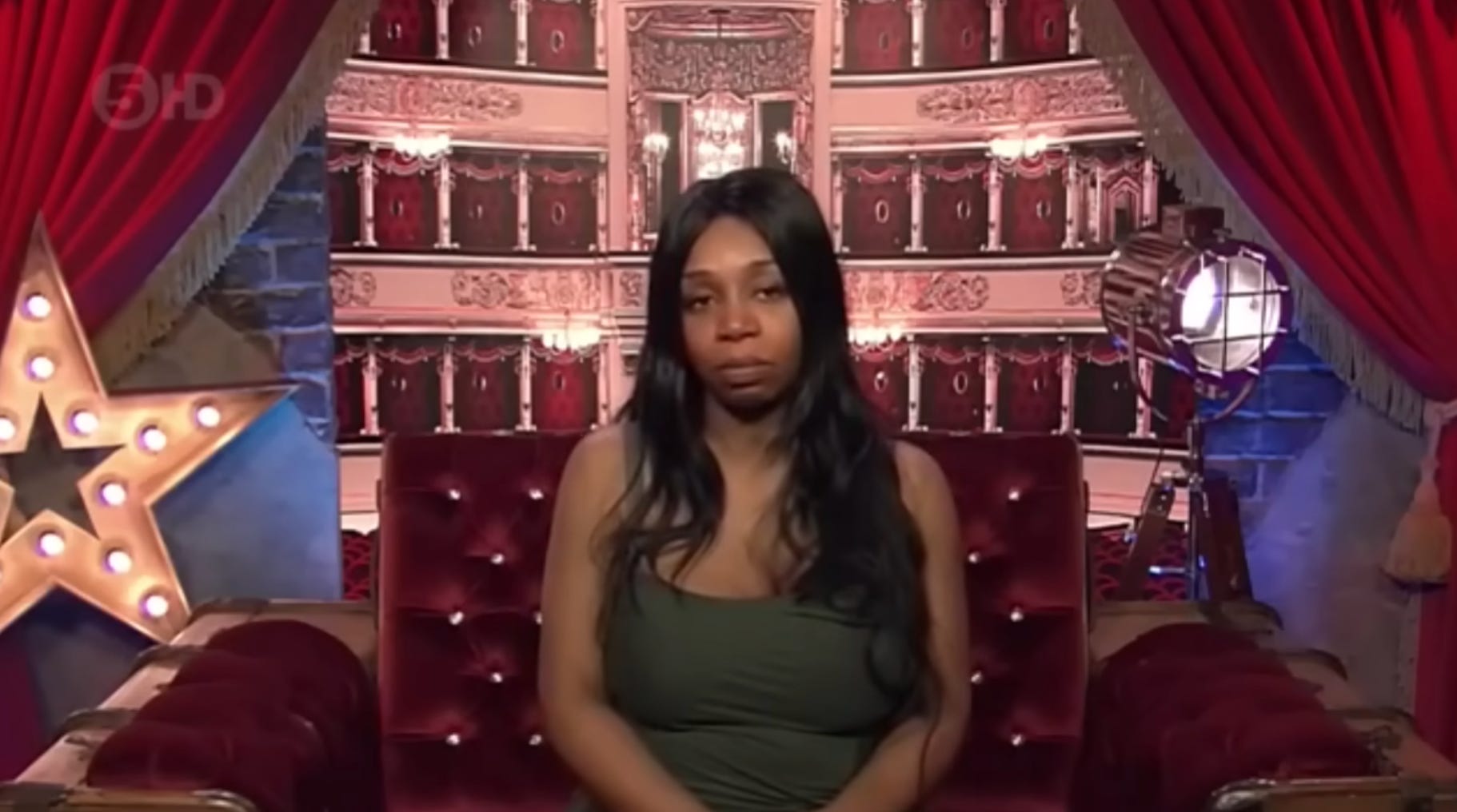
Often I find myself inspired to repeat Tiffany Pollard’s effortless monologue about her housemate Gemma Collins on Celebrity Big Brother UK when referencing the frustratingly boring book I’m about to ghost:
“Somebody lied to her several times and told her that she was fly, hot and sexy and beautiful and she's nothing like that. She's nothing of the sort."
I write these words not only as a reader but a writer. If I haven’t done my job as a writer to keep you engaged and connected with my story, then that’s on me. So, don’t feel guilty about not finishing a book, it’s usually not your fault.
Usually.
Sometimes a good book finds you at the wrong time. Not a revolutionary theory by any means, but one we don’t consider enough.
Whether it’s a new writer, genre or sometimes you’re coming back to reading after a busy period in your life, or after reading a novel that absolutely floored you, or sometimes for no reason at all - if you’re just not connecting with the story by the third chapter, it may be that this isn’t the right time for you and this book.
So, ghost the book, don’t block it. Just ghost it for awhile.
It’s happened to me multiple times, where I’ve returned to a novel that I once abandoned, more than once, only to find that this time around, during a different phase of my life, I’ve fallen in love with it.
I wouldn’t advocate this method yo-yoing when it comes to dating, but with a novel it can yield better, less toxic, results.
So, not connecting with a novel doesn’t necessary mean that the novel is bad. Well, sometimes it is actually a really bad novel, but that’s another essay for another time. Not one where I explore bad novels but one where I’m asking what a bad novel is and why we should be reading them.
I love a bad novel. A bad novel can be excellent, but there’ no excuse for a boring novel.
Again, if we pivot back to dating, I’m not advocating a bad boy here, boring boys are a safer bet - but a boring novel can go right back on the shelf.
Important to point out here, there is a difference between a novel that challenges you and one that bores you. And again if we’re talking about dating, a bad boy is not a challenge, he’s a waste of time.
A real challenge, especially in the story sense, test our grasp of writing, our values, concepts of reality, the force us to explore issues we don’t want to face. Those are novels we should continue reading especially if they are taking us out of our comfort zone.
There are also the big books, often classics, I’m talking hundreds of pages, small fonts, door stoppers of books - Anna Karenina, Crime and Punishment, Gone with the Wind, The Far Pavilions, East of Eden, The Count of Monte Cristo – the epics are big and intimidating, and may take a while to read them, and so approach them, especially the first three chapters, slowly. Don’t expect to be whisked away within the first paragraph – they aren’t a reel where the hook means everything.
Aside from these two points, and somehow also including them, a boring read is a different thing to challenging read. And, no, we must never be bored reading novels.
An antidote, if you find yourself in that compromising position where you want to scream into the pages of the novel hoping the writer will hear your rage and regret ever having created such a mind numbingly dreary text, is as simple as my three chapter rule.
Buy as many books as you can. That way you always have options when one novel fails to sweep you away, you have a trove to choose from. I feel the same about dating, keep your options open and let them filter themselves out of your life until you find the best fit.
Important to also remember that the novels sitting on your bookshelf are not items on a grocery list that you’re expected to cross off as you consume them. This isn’t a list of obligations, responsibilities, and tasks you must complete. When you buy a book, you haven’t signed a legally binding document to read it from start to finish, you aren’t married to a novel.
I suppose it’s only fair to point out here that a date with someone is also not a contract. Aside from a contract to meet said date and spend a some time with them - a drink, a meal etc - there is no lasting obligation. A kiss isn’t a contract either, but again that is another essay altogether.
A novel on your bookshelf is the potential for a good time – a love affair, deep friendship, a fling, a marriage, an obsession, a fascination, an escape, a forgettable encounter, a toxic relationship, and, yes, sometimes, a date that is so dull you’re screaming for someone, for anything to happen to make it all end as quickly as possible.
Well, I hear your cries and I’m giving you a lifeline. Shut the book. Don’t be so hard on yourself. Let it go. Move on to a better story.