


I’m not sure why people are surprised by the looting happening in France.
Protests, no matter why they are happening, will attract a fraction of people who are simply there for the chaos, to take advantage of instability by leaning into violence and theft.
And France has a long history of protest and revolution (no need to get into all of that right now) and France is also the home for some of the world’s most prestigious high end luxury brands and houses. Civil unrest and violence intersecting with high end fashion and luxury make for an interesting cultural intersection.
Do I feel sorry for these high-end luxury brands that have been looted?
Absolutely not.
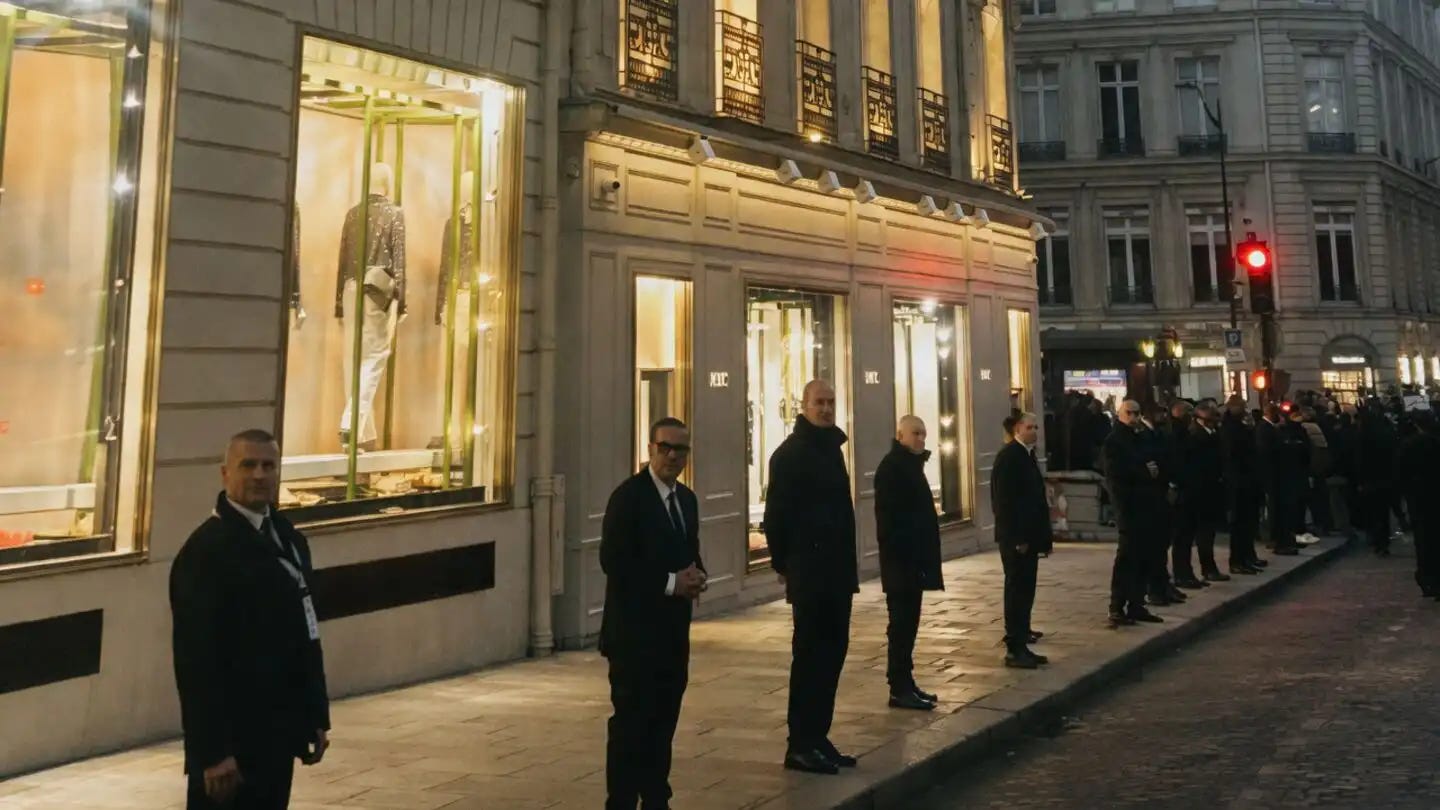
The fact that Dior was able to hire its own security guards tells you all you need to know about this industry. I should just end the essay here.
While I have a deep curiosity, interest, and passion for the histories and stories of artisans, designers, and artists who have created beautiful things, I’m under no illusions that luxury bags, jewellery, shoes, and clothes also exist as part of a gargantuan capitalistic hierarchy.
It doesn’t matter how well-crafted or beautiful an item is, one could get other beautiful, well-crafted pieces, if one wanted, for cheaper. Let’s not kid ourselves.
Some luxury goods can be defined as an artwork, sure.
But most aren’t one off pieces.
Most don’t have an interesting provenance.
Most aren’t timeless.
Most can’t be hung on the wall.
Often, luxury items are meant to be worn, meant to tell the world something about you.
It’s hard to fathom for some people, their either don’t want to believe or think about it, but luxury fashion items are the product of a factory pipeline. Whether it’s a handcrafted factory system or a sweatshop somewhere in India, luxury items are not as unique or precious as luxury houses would like you to believe.
This however doesn’t take away from their value – which is more or less, incredibly subjective.
And while these items or brands may have personal significance for the individual - luxury houses no longer hold the same influence on culture as they once had, not in the same way, and certainly not as much as an artwork, film, or novel.
As they exist now, in most cases, luxury houses continue to reiterate and populate the idea of luxury as a means of arriving to a certain stratum of society.
Of making it.
If anything, through a mainstream lens, luxury houses reveal the ecosystem of money, elitism, and status symbols as they exist and operate within culture.
This wasn’t always the case. Luxury houses once has an indelible influence over culture.
Chanel changed what wealth was supposed to look like - the little black dress is the perfect example.
Louis Vuitton transformed travel into a performance of status through their now heritage trunks.
Christian Dior made conspicuous luxury desirable again after war. I mean, those evening gowns were stunning.
Gucci changed who could participate in luxury culture. Think Dapper Dan and hip-hop.
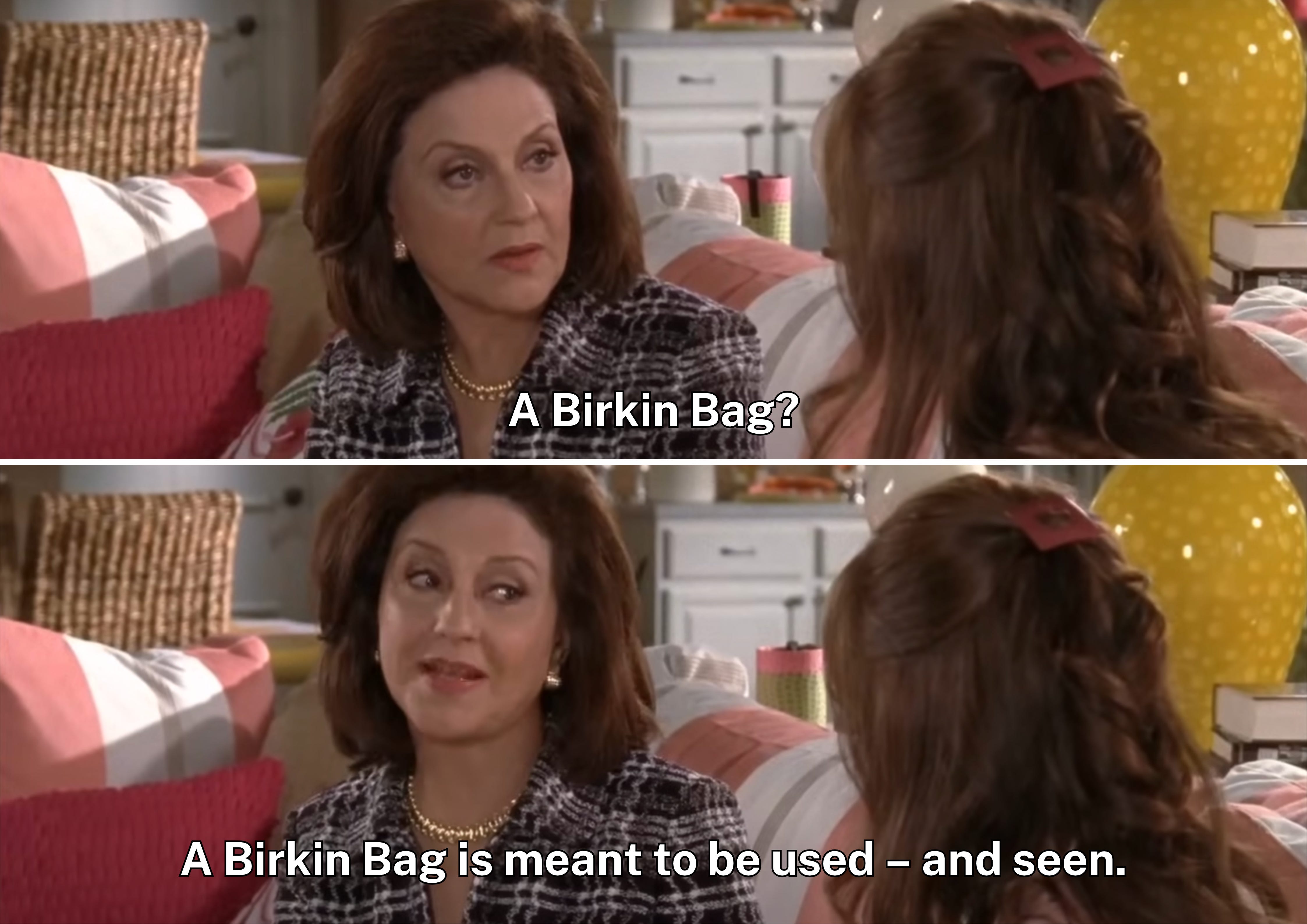
Hermès turned scarcity into cultural prestige - hello, The Birkin.
These luxury houses don’t operate in the same way anymore.
Luxury no longer influences culture in a truly tangible way. They have become filters through which some facets of culture are measured.
Today, a luxury house funds an exhibition, commissions an artist or establishes a cultural foundation.
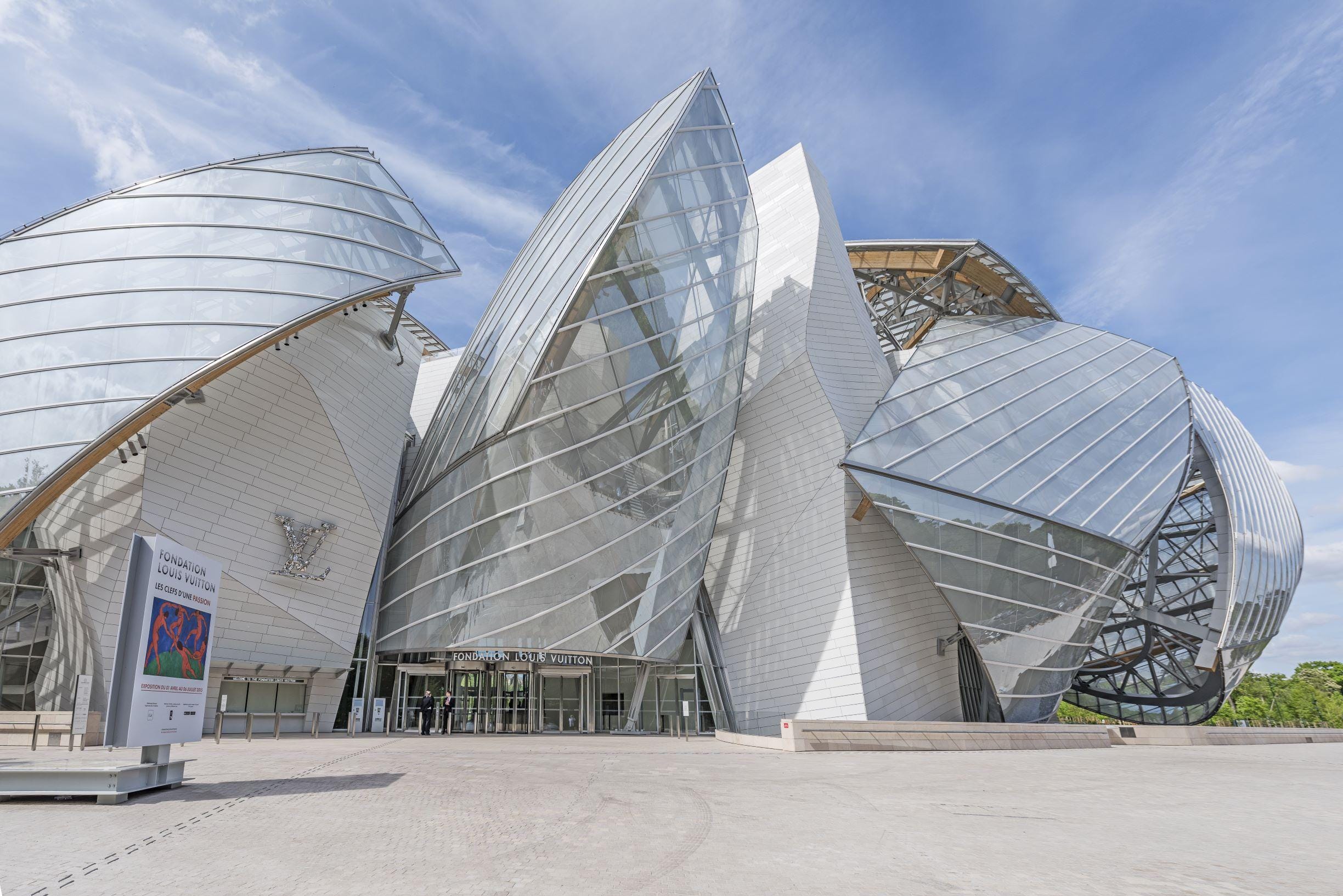
While still an influence, being a patron of culture is NOT the same as being a driver of culture.
We could argue that luxury houses now support culture. Or we could conclude that luxury houses are controlling what is considered culturally valuable.
It’s all a bit upside down to me.
Ultimately, their position is one that is nimble enough to control the conversation as supposed to inspiring conversation.
These luxury houses will be absolutely fine. Believe me. The protests and looting won’t change a thing. In fact, breaking into these stores to steal their goods only reinforces their position.
And they know it - hence the private security guards.
It’s not only to protect their products, but it’s a performance to remind everyone that luxury is the one facet that will and can protect itself from any form of social and cultural change if it doesn’t benefit its goals.
And the goal is always money.
So my question is, from a bigger picture point of view, do we think that luxury houses are still influencing culture or simply controlling it?