


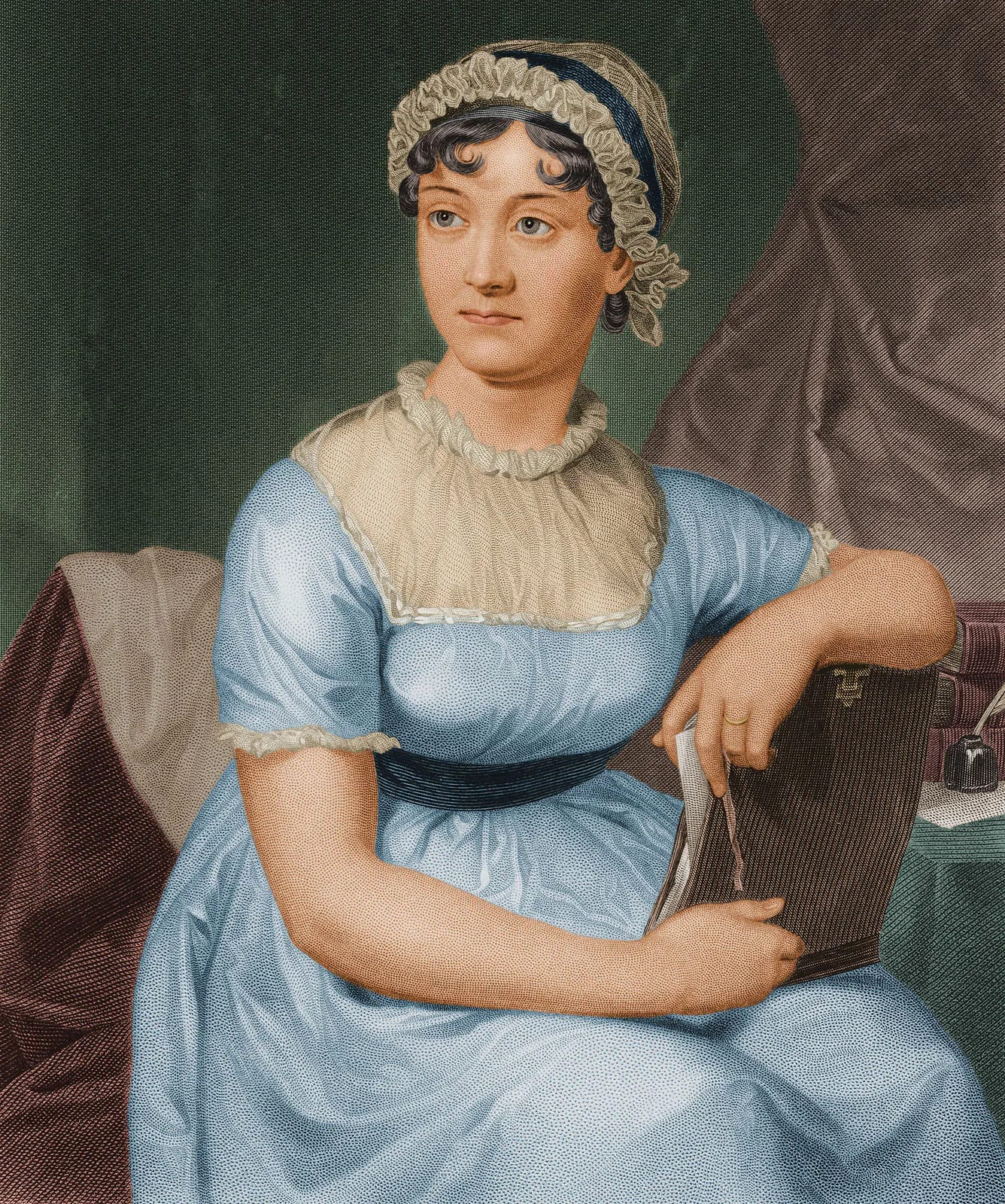
Jane Austen is often framed as a writer of manners, of England, of a particular class and moment in time. However for anyone who has read her work they know this is not entirely the case.
Read closely, her novels reveal something far less local and a lot more universal. This was something that struck me at 13 when I first read Pride and Prejudice.
Beneath the drawing rooms and courtship rituals sit structures, systems that exist in many cultures across time. Marriage as negotiation, family as both a home to run to and escape from, reputation as social currency, and the quiet labour women perform to survive within watchful worlds.
Read through the Arab world and Arab literature, Austen feels unexpectedly familiar. Her concerns echo across novels shaped by different geographies but similar social logics, where love is rarely separate from economics, and restraint can be a form of power.
I’ve never been an advocate of creating context or understanding Arab or “foreign” art through the western canon - Naguib Mahfouz is the Charles Dickens of the Arab world, Dia Azzawi the Pablo Picasso, Soad Hosny the Marlin Monroe etc. These comparisons are reductive. What I’m doing here is not about forcing equivalence, it’s about recognising shared systems that govern intimacy, belonging, and choice explored through great literature. Austen, aside from being a genius and master of her own craft, has arguably for many reasons been more accessible and widely read.
And for me having been exposed to her at an early age and to Arab literature later in my reading journey, it was enlightening to make these connections. By placing Austen alongside Arab novelists, this reading reframes her work not as distinctly English, but as part of a broader, global conversation about how people live, love, and endure within society’s rules.
Jane Austen is Universal
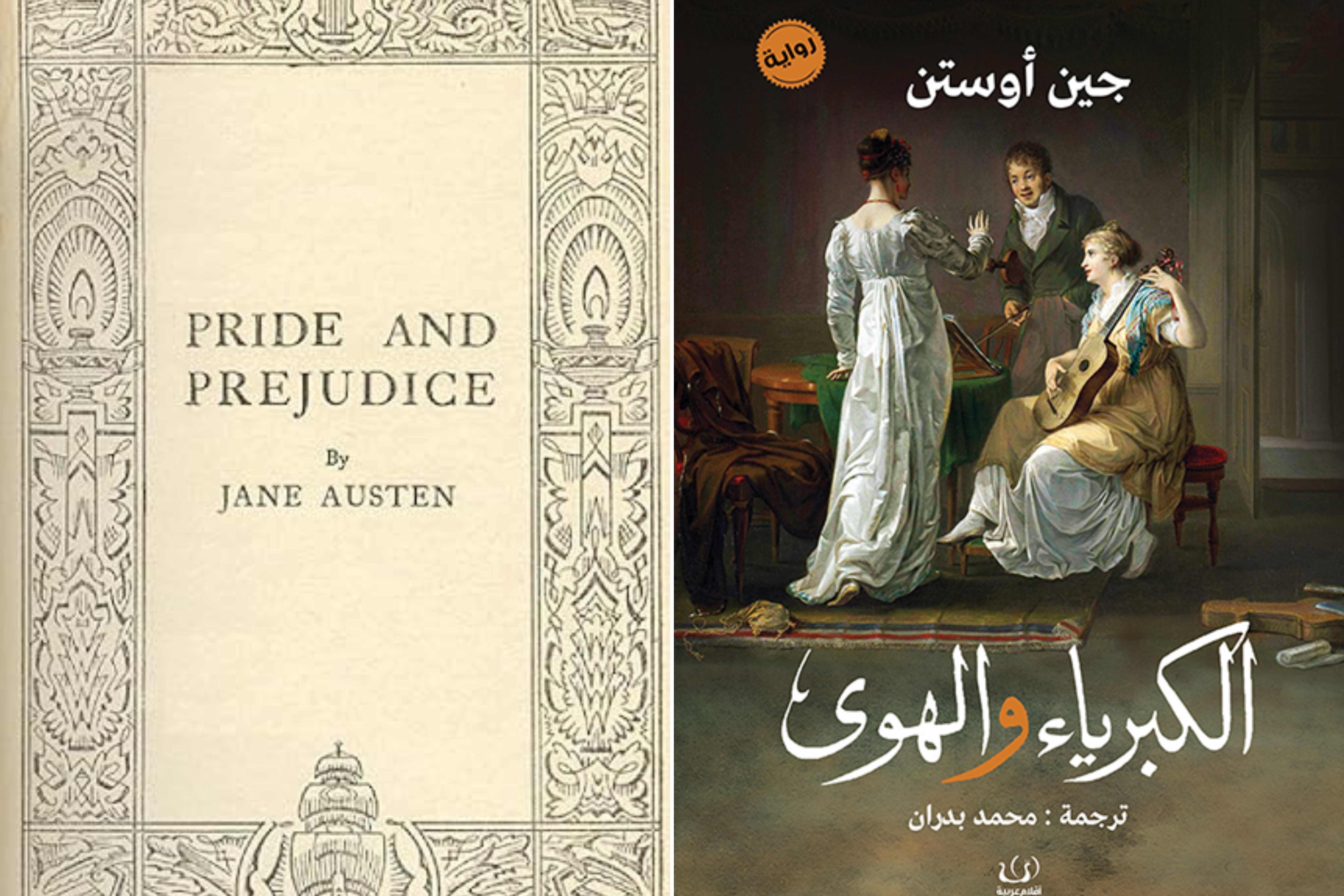
Her novels revolve around marriage as economics, reputation, family expectations, and social pressures. These aren’t British quirks, they’re universal structures, especially familiar across the Arab world.
“It is a truth universally acknowledged, that a single man in possession of a good fortune must be in want of a wife.” Jane Austen, Pride and Prejudice (1813)

“We must not forget that among this class the prevailing opinion was that women were best treated as children, above all for the sake of their own happiness.” Naguib Mahfouz, Midaq Alley (1947)
Marriage as Social Negotiation
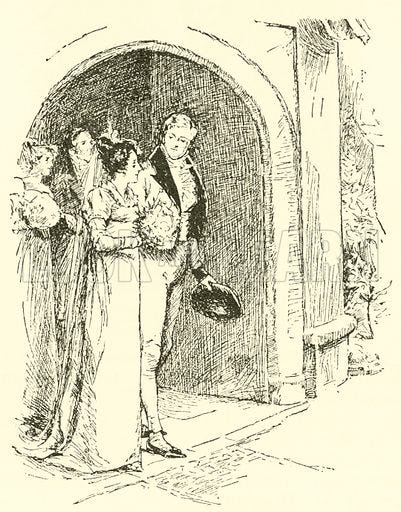
In Austen’s novels, marriage is rarely about romance alone. It’s about stability, family approval, class, and survival. Across Arab societies, marriage has long functioned the same way shaped by family networks, financial realities, and social standing, even when love is involved.
“Happiness in marriage is entirely a matter of chance.” Jane Austen, Pride and Prejudice (1813)
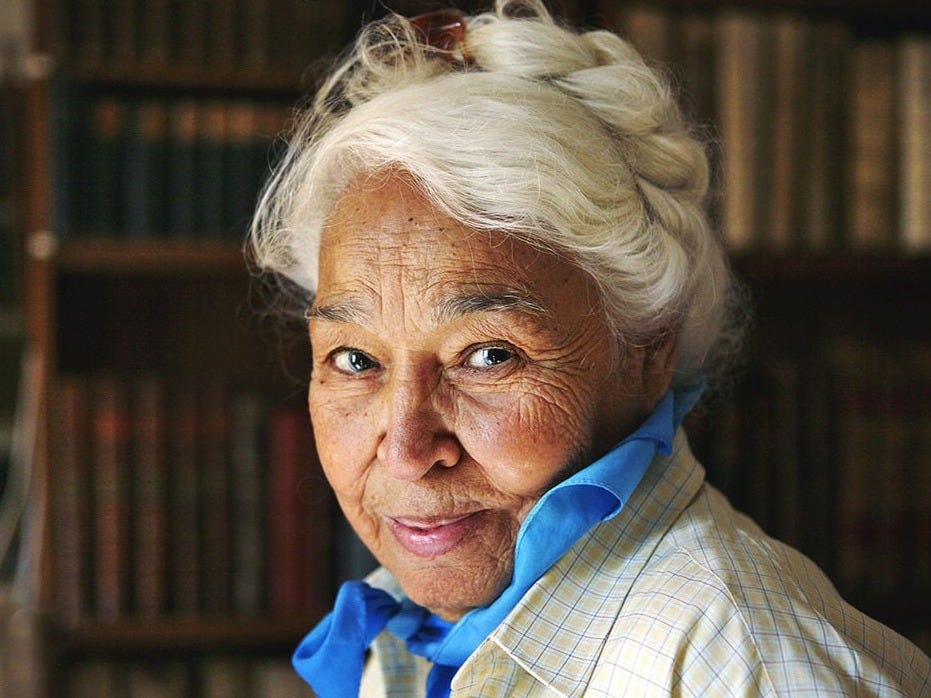
“All the men I did get to know later on insisted on one thing, that marriage was the only protection for a woman.” Nawal El Saadawi, Woman at Point Zero (1975)
Austen’s Watchful Community
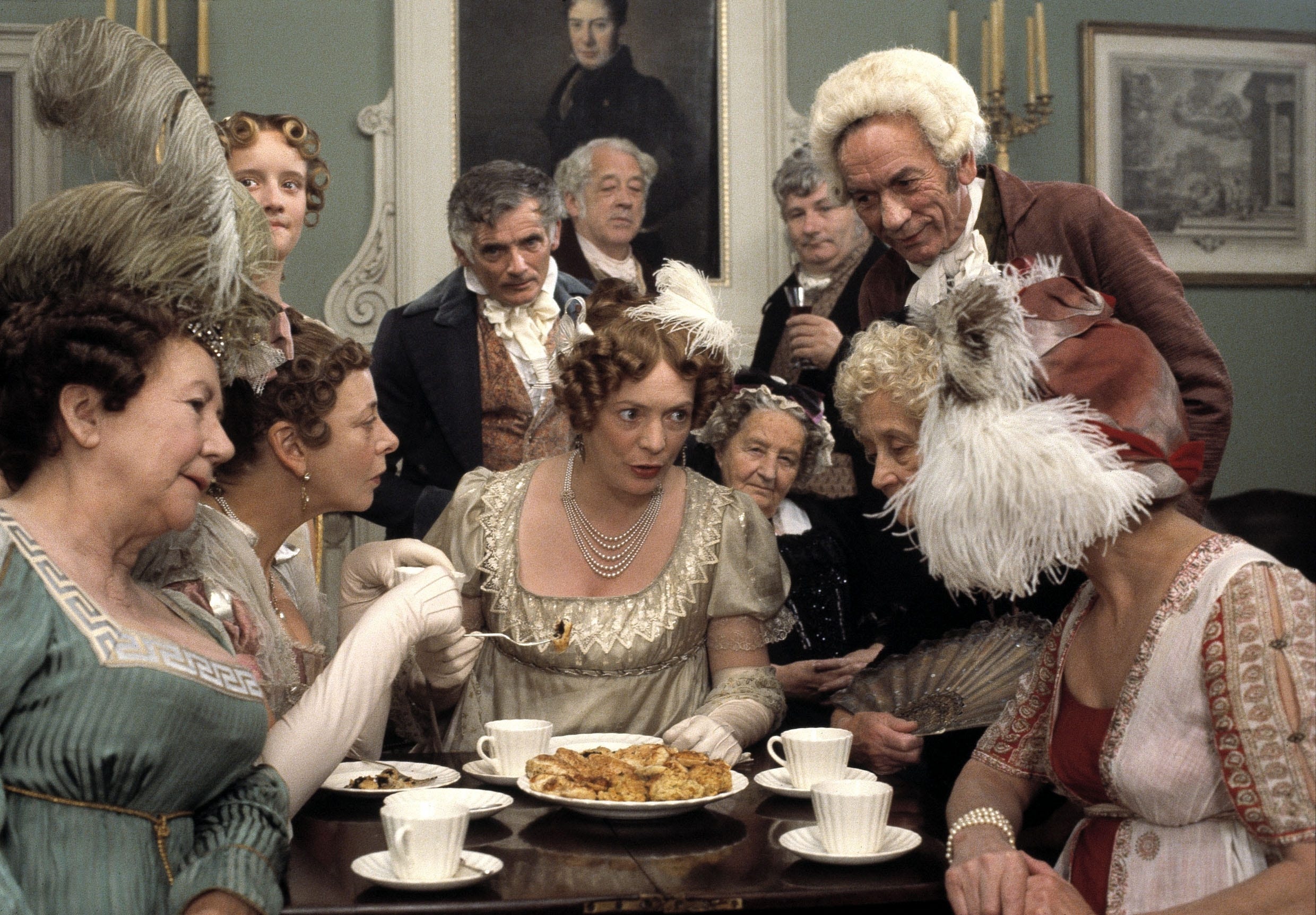
Austen’s characters live under constant observation. Who visits whom, who dances with whom, who speaks too freely. This mirrors the social intimacy of Arab neighbourhoods and extended families, where reputation circulates quickly, and private choices rarely stay private.
“Seldom, very seldom, does complete truth belong to any human disclosure; seldom can it happen that something is not a little disguised, or a little mistaken.” Jane Austen, Emma (1815)

“I discovered that people see in us only what they want to see.” Layla Baalbaki, I Live (1958)
Women who Observe

Elizabeth Bennet, Elinor Dashwood, Anne Elliot, all women navigating constraint through intelligence rather than rebellion in Austen’s novels. This quiet negotiation echoes across Arab storytelling in many heroine’s who understand power, reputation, and survival using perception, restraint, and narrative as tools of agency.
“I will be calm; I will be mistress of myself.” Jane Austen, Sense and Sensibility (1811)
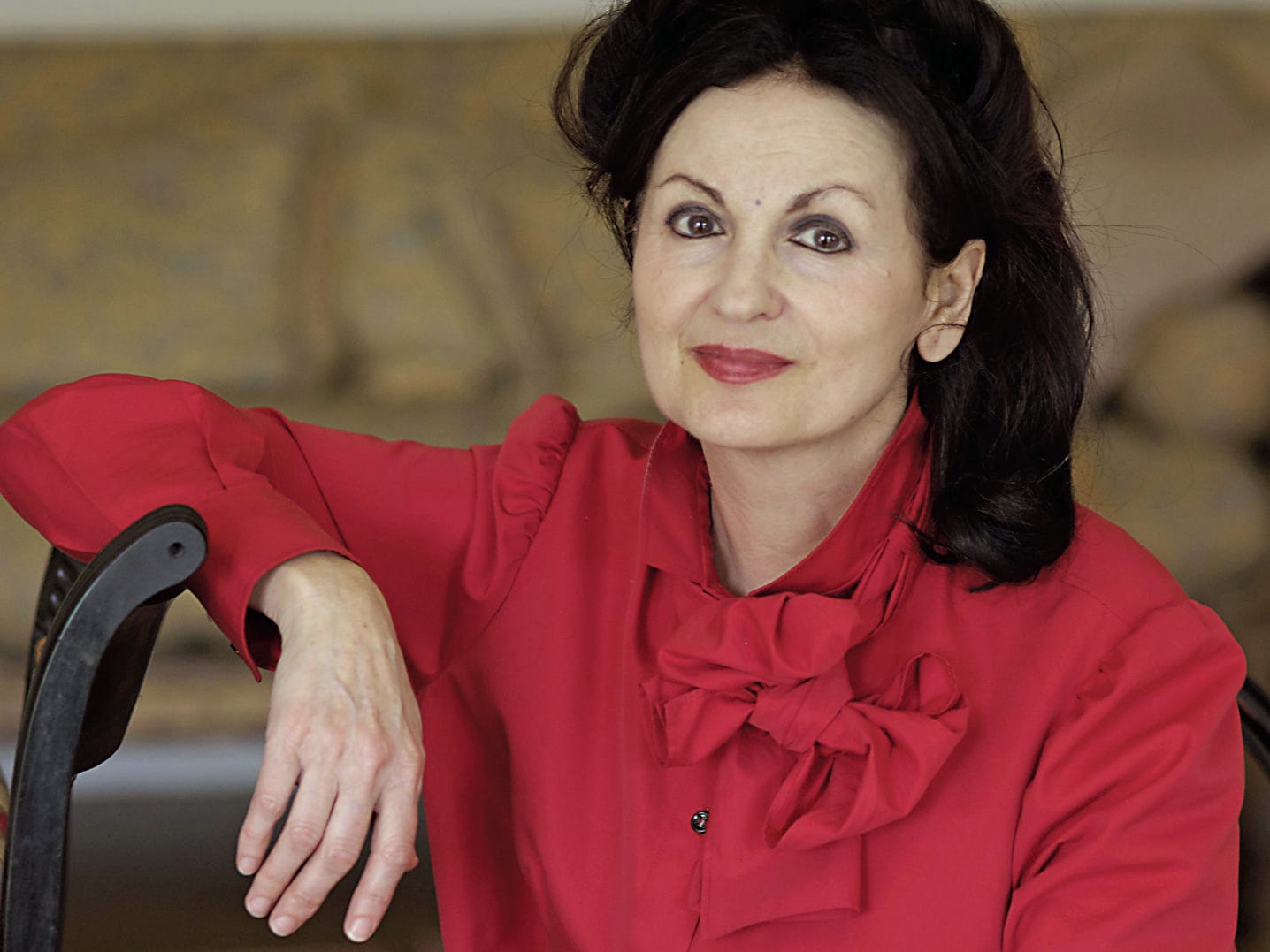
“A woman who observes understands more than one who speaks.” Hanan al-Shaykh, Women of Sand and Myrrh (1989)
Silence as Power

Austen’s most charged moments often arrive through restraint and reflection. Arab literature frequently work the same way. Meaning is carried in pauses, glances, and what remains unsaid. Emotional economy becomes its own language.
“Elizabeth made no answer, and walked on, her heart swelling with indignation.” Jane Austen, Pride and Prejudice (1813)
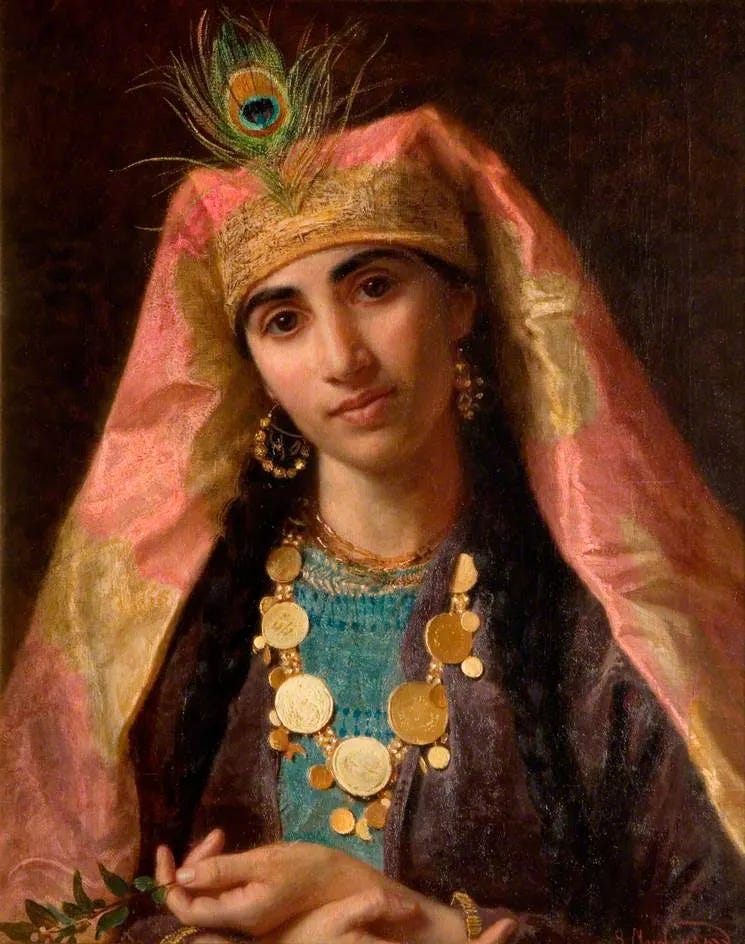
“But Shahrazad, perceiving the approach of morning, fell silent.” The Thousand and One Nights, trans. N. J. Dawood (1954)
Family as Shelter & Pressure
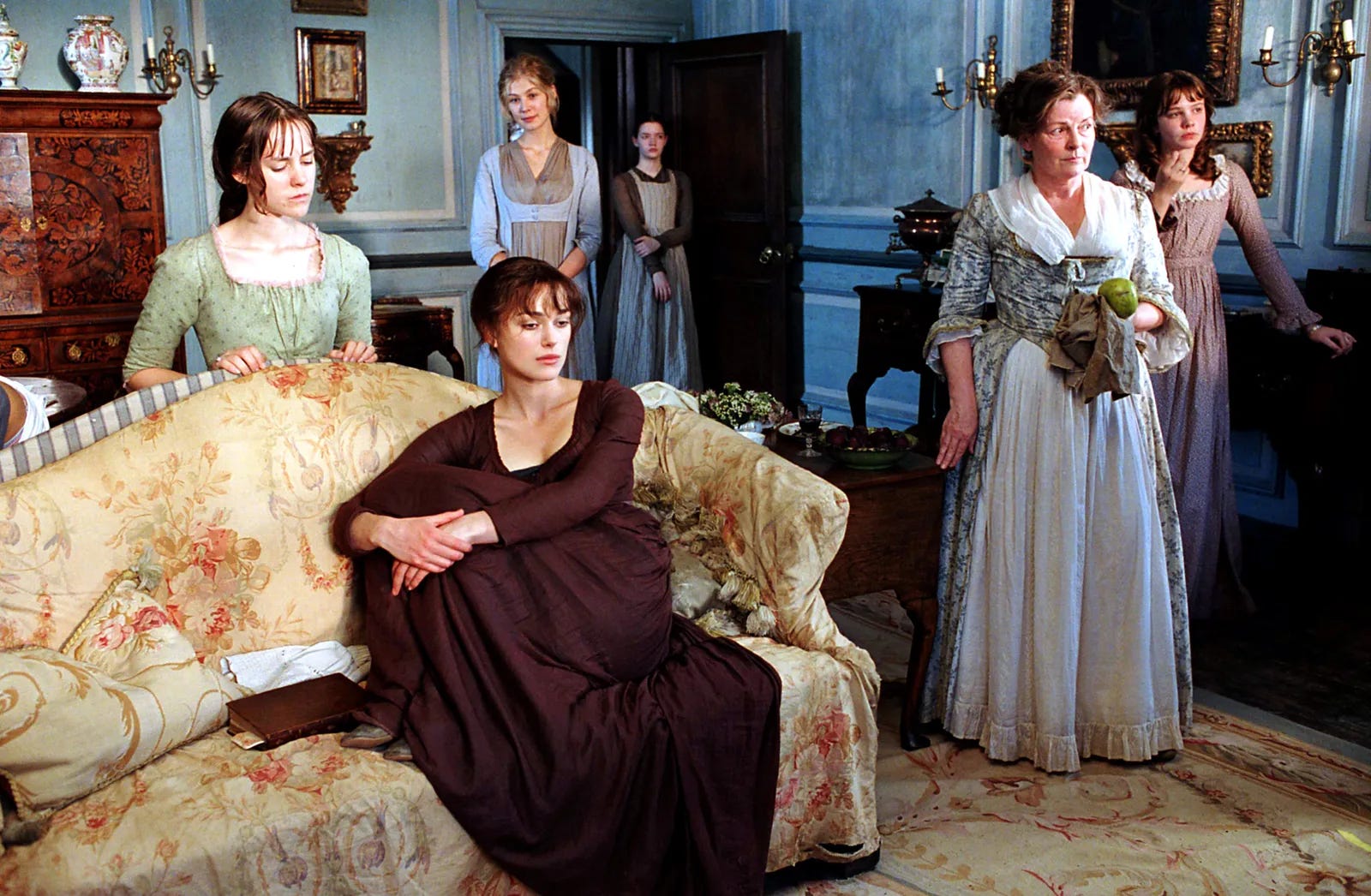
In Austen’s novels, family offers protection but also suffocation. This duality runs through Arab storytelling, where family can be the source of love, obligation, conflict, and destiny all at once.
“One does not love a place the less for having suffered in it, unless it has been all suffering, nothing but suffering.” Jane Austen, Sense and Sensibility (1811)

“In this house, everyone lived under the same roof, but each carried his own burden alone.” Naguib Mahfouz, Palace Walk (1956)
Why Austen Still Resonates
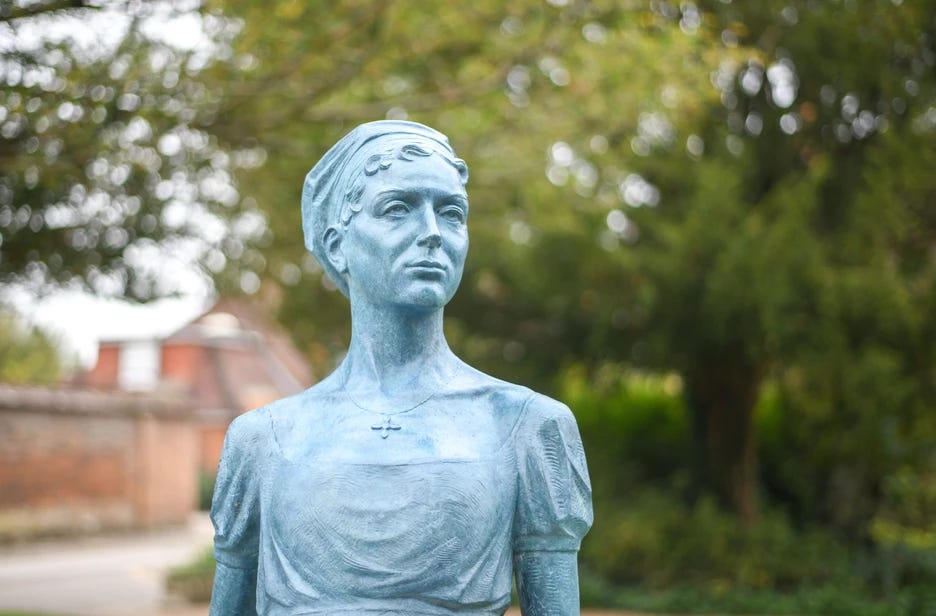
Austen endures because she understood systems: how love survives inside them, how women move through them, and how daily people negotiate who they are withing those systems.
Her ideas are timeless and instantly understood across cultures, including the Arab world.