


People are going crazy. Nuts. Losing their pride and doubling down on their prejudice.
Sorry, couldn’t help myself.
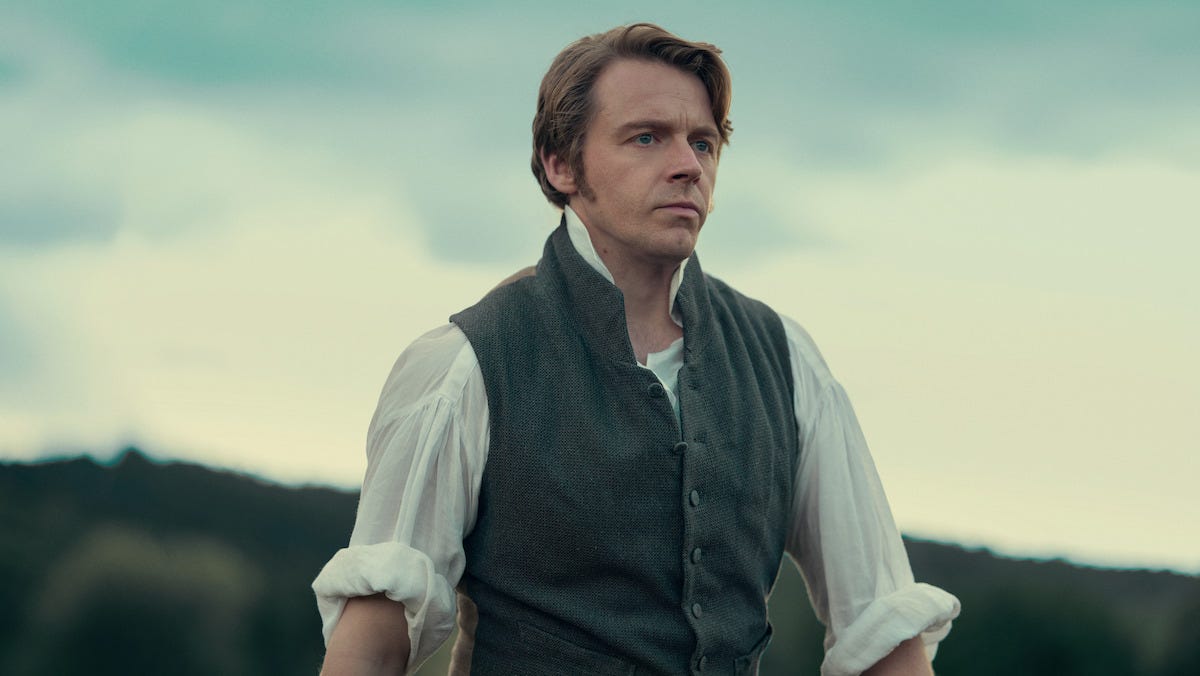
New film stills from Netflix’s Pride and Prejudice series are spreading across the newsfeeds and people have a lot to say.
The series is set to be released on 3 December, and yes, there will be a detailed breakdown in written and podcast form by me.
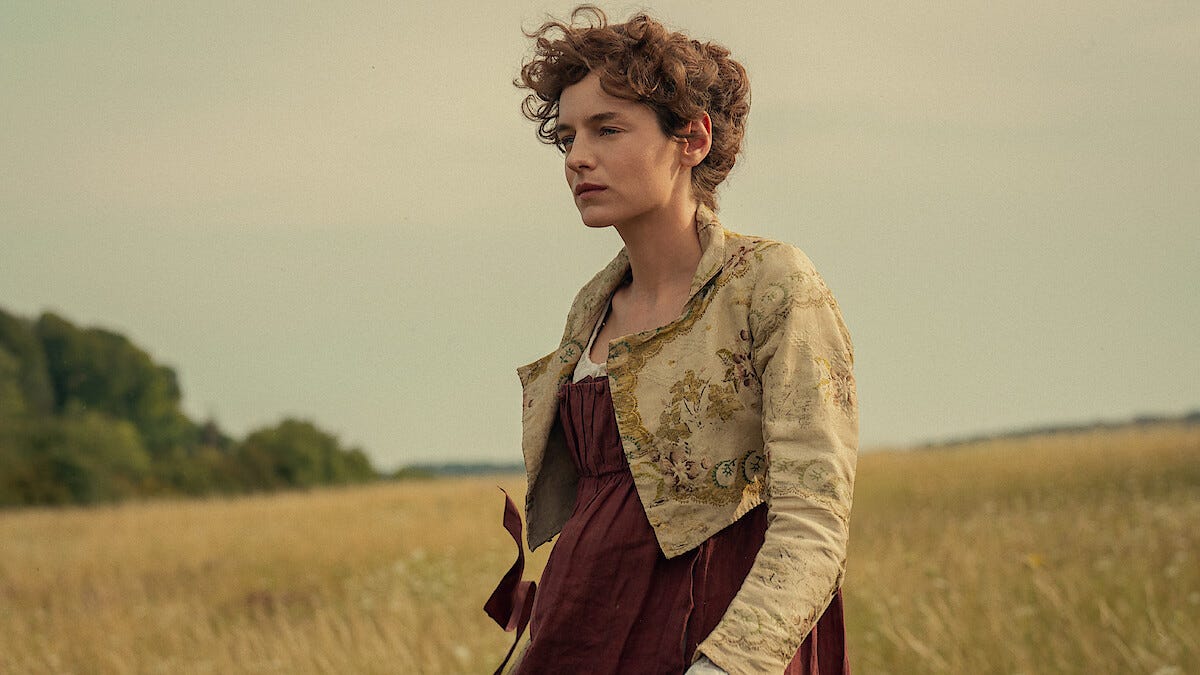
While I don’t want to make any bold assumptions, I feel reassured that my reviews will be positive, unlike most of the internet who are unable to control their hysteria that this new adaption doesn’t hold any promise.
General offences by the public include:
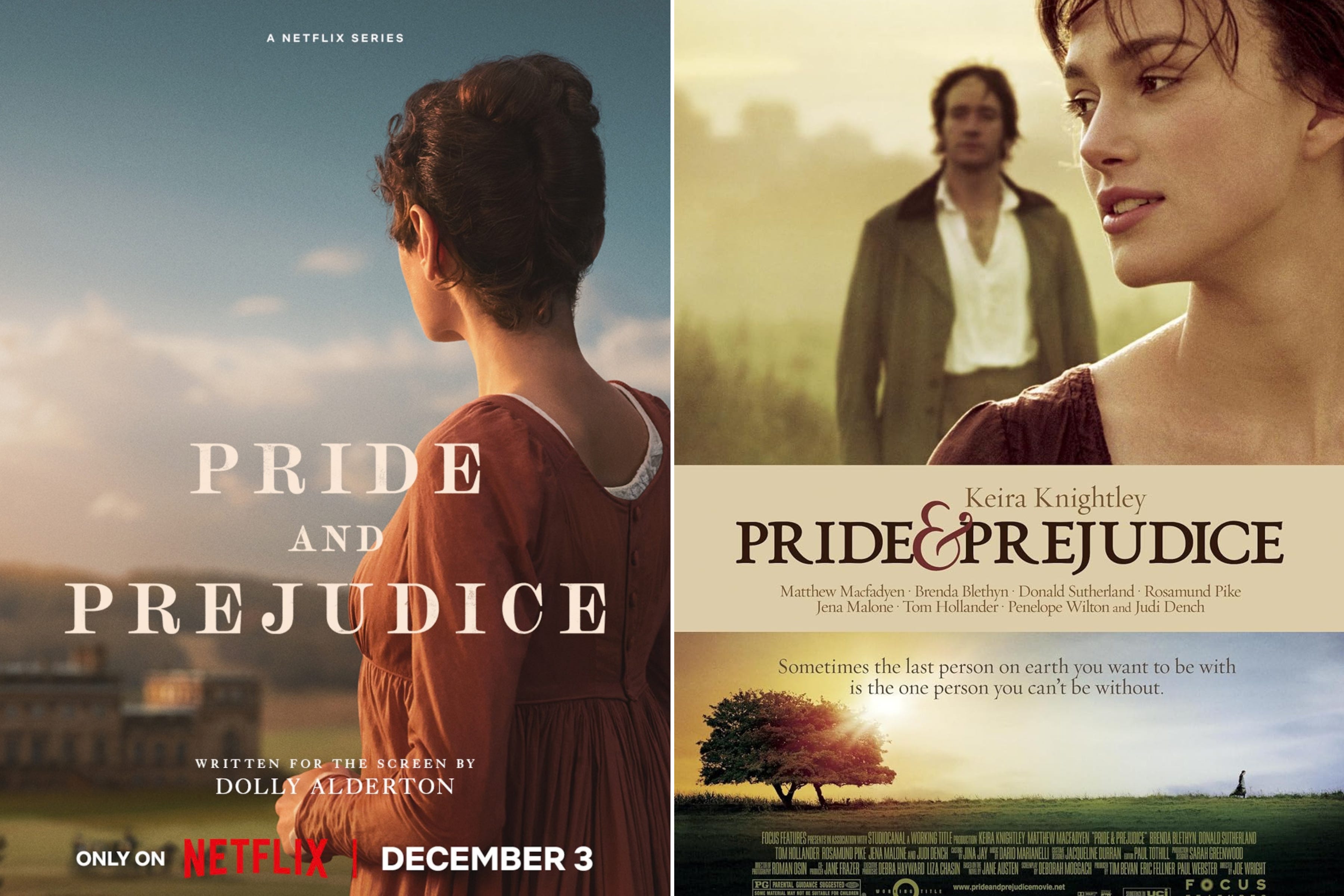
Side by side graphics and carousels comparing stills from the 2005 film starring Kiera Knightly and Matthew McFaddyen with stills from the new series, revealing a grey, more muted approach to colour and tone in the later
Why is Pride and Prejudice being readapted when the 1995 BBC series starring Jennifer Ehle and Colin Firth and the 2005 film are both considered classics in their own right.
In fact, why are we readapting classics like Pride and Prejudice at all? Hasn’t this story already been told in countless ways?
Haven’t we had enough Pride and Prejudice adaptations, reimaginings, retellings?
The answer for the last point is no. Never.
I don’t say this as a massive Jane Austen fan. Pride and Prejudice is a seminal novel that influenced my reading and writing life. I could speak about the novel and its adaptations for 12 hours straight if I wanted to.
No joke.
I make the claim that we need more adaptions and retellings, not only of Pride and Prejudice, but of all the great classics (and some that are not so great) as both a writer and cultural consumer.
Retelling and re-contextualising great novels is a vital means of exploring and questioning the stories that have influenced society and generations of creators.
Every time I re-read Pride and Prejudice, I learn something new about writing, about relationships about society. It’s rare for a novel to be able to do that time and time again. When you have a rich and layered story, it only makes sense to explore and reimagine it multiple times.
And this new retelling is imperative to keep the art of adapting classics alive and to re-experience the story of Elizabeth Bennet and Fitzwilliam Darcy. Especially at a time where concepts of love, courting and dating, seem to be more frayed than they ever were before – essay for another time.
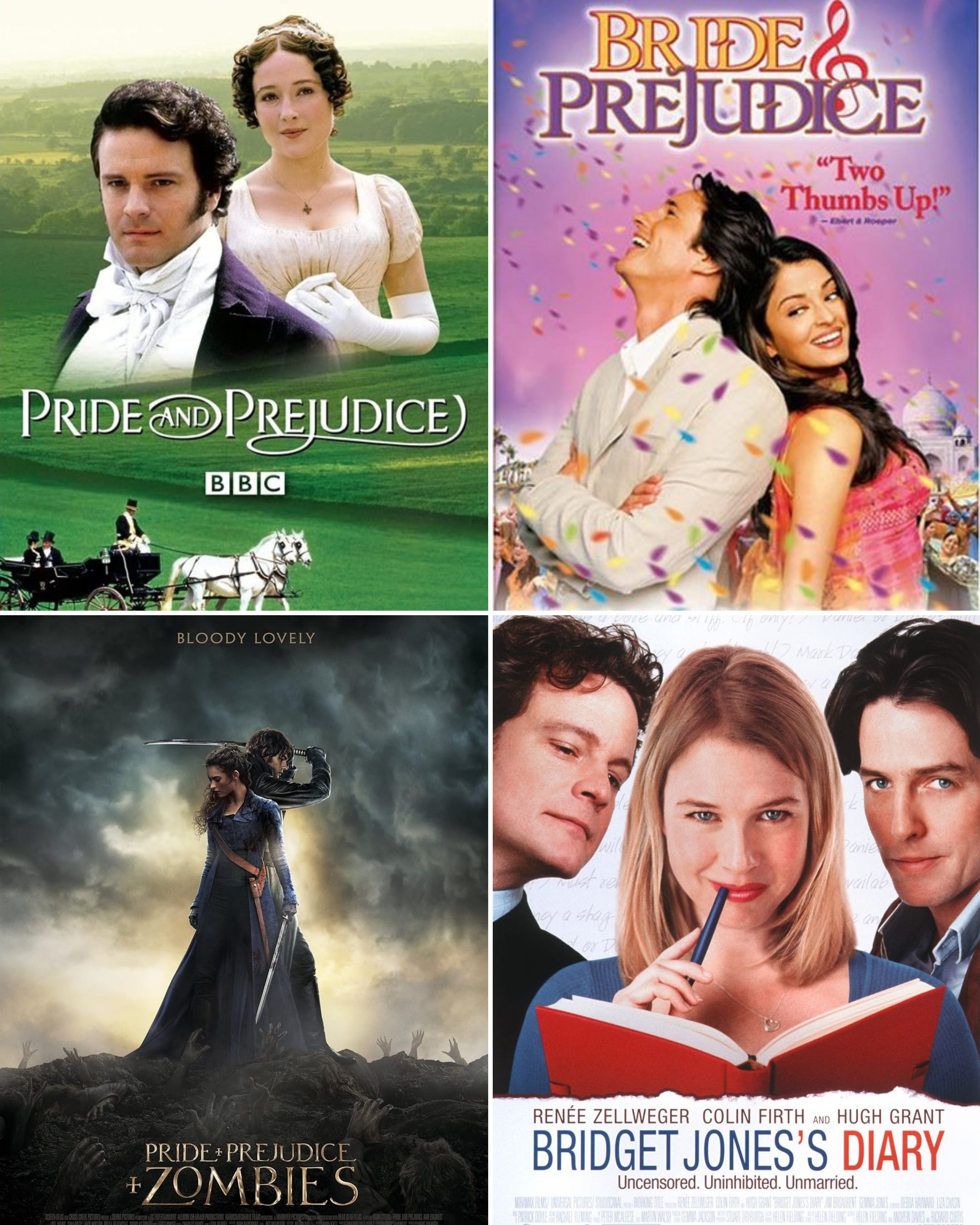
Aside from the aforementioned adaptions, there have been reimaginings such as the Bollywood inspired musical Bride and Prejudice in 2005, the sci-fi take Pride and Prejudice and Zombies in 2016, and the contemporary reinterpretation in the rom-com Bridget Jones’s Diary. Each one of them, good, bad, interesting, cult, are an important part about how we look at our storytelling past and an exercise in our creative present.
I’m excited by Netflix’s adaptation and by Dolly Alderton’s vision. Not only is she a brilliant writer in her own right, I feel she understands Austen, the characters, and the world they come from.
In a recent story by British Vogue – Inside The Making Of Dolly Alderton’s Lavish New Pride And Prejudice – we got a day-to-day diary by Alderton as she goes about adapting the classic.
The article is a wonderful insight into what it takes to adapt a mammoth book of this nature, a story that is so embedded in culture. Alderton details the advice she sought from Emma Thompson – I don’t know what adequate work exists to explain Thompson’s relationship to Austen. Fan or lover feels inadequate.
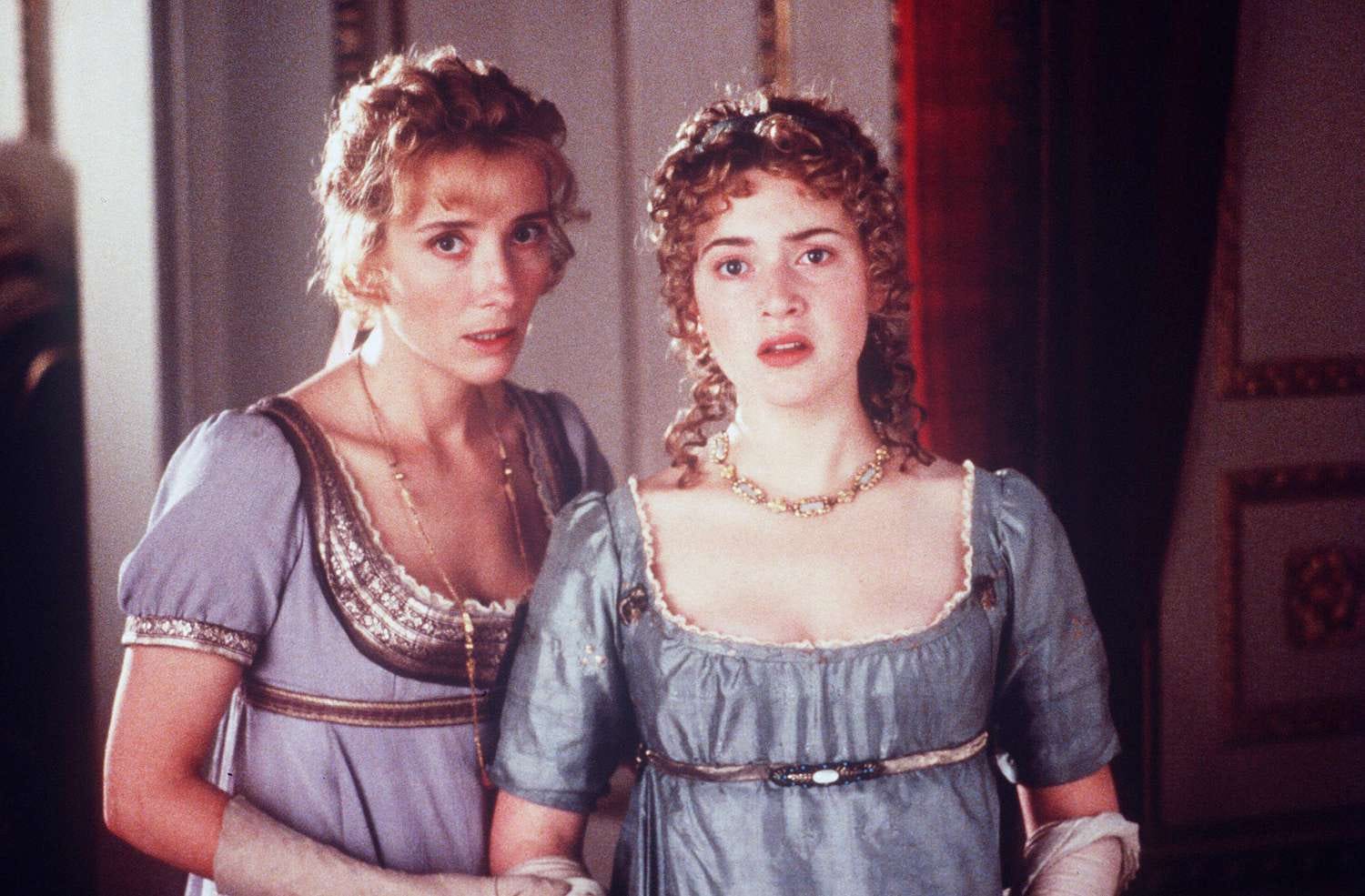
Thompson’s 1995 adaptation of Sense and Sensibility starring herself and Kate Winslet exemplifies, in my opinion, an almost perfect translation of the text and story into film.
I really believe Thompson has Austen in her blood.
It was fascinating to read the advice Thompson gave Alderton, as well as the details of editing and the sacrifices a script must undergo in order to become suitable for filming.
Many details the average person doesn’t even think about it.
What I found particularly vexing about the internet’s reaction to the stills is the direct comparison to the 2005 film.
While I understand the natural inclination to compare, it’s important to remember that a film is different to a series, and within those mediums, there are various ways to depict and tell a story – and lest we forget the obvious, hello, the source material in written form is not a visual medium.
Let’s stop expecting elephants to fly and pigs to perform gymnastics please.
Stories are not meant to be identical even though they might come from the same original source.
Every decade has a new set of actors, writers, producers, new technology that has the potential to elevate and highlight different parts of a classic novel that we all love in a new way. Also, each decade also has a new audience with different experiences, tastes, expectations and as we well know now, attention spans.
Linking adaptations to each other is an interesting exercise but comparison really is the thief of joy.


I won’t be doing a deep dive into this question of why all new films are grey and muted now. This is not the right essay to discuss general stylistic trends.
I once went to a talk where the actress Alison Steadman, who played Mrs Bennet in the BBC series version, spoke about her career. Steadman told the audience that shortly after she was first cast in the role, while at a restaurant with her family, she was badgered by a stranger, who reminded her that she has a big job ahead of her, that she can’t disappoint Austen fans.
I also recall that even though the 2005 film is now seen as a classic, at the time, the public were not impressed by the casting of Knightly as Elizabeth. She was considered a more modern beauty not Austen enough and many felt she wasn’t good enough of an actress to play Elizabeth.
To many Austen fans now, that idea is unfathomable.
Fans… extreme fans especially have strongly worded opinions about adaptions. But, as naive as this may sound, I believe we should refocus our passion and rage to being grateful.
We are living in a time where our favourite classics are consistently being reimagined. This gives us the opportunity to revisit them in new ways and consider again where they sit in the cannon of literature and why they remain so inspiring to many of us after so many years.
Let the new Netflix television series speak for itself, let the cream rise. And let’s enjoy the ride!