


On view at Christie’s Dubai in the DIFC from 12 - 14 January 2026, is a Michelangelo foot. This newly discovered drawing by the Italian sculptor, painter, architect, and poet of the High Renaissance is an incredible find and amazing to see up close.
Executed in red chalk around 1511, the study depicts the right foot of the Libyan Sibyl, a monumental figure on the Sistine Chapel ceiling. Long held in a private collection and unknown to scholars, it belongs to a small group of red-chalk figure studies made from live models during Michelangelo’s work on the ceiling, widely regarded as his finest drawings. The work will travel next to Christie’s New York, where it will be offered at live auction on 5 February, with an estimate of $1.5–2 million.
If you don’t get a chance to catch the foot in Dubai or in New York, read on for the story behind its rediscovery.
An Accidental Find
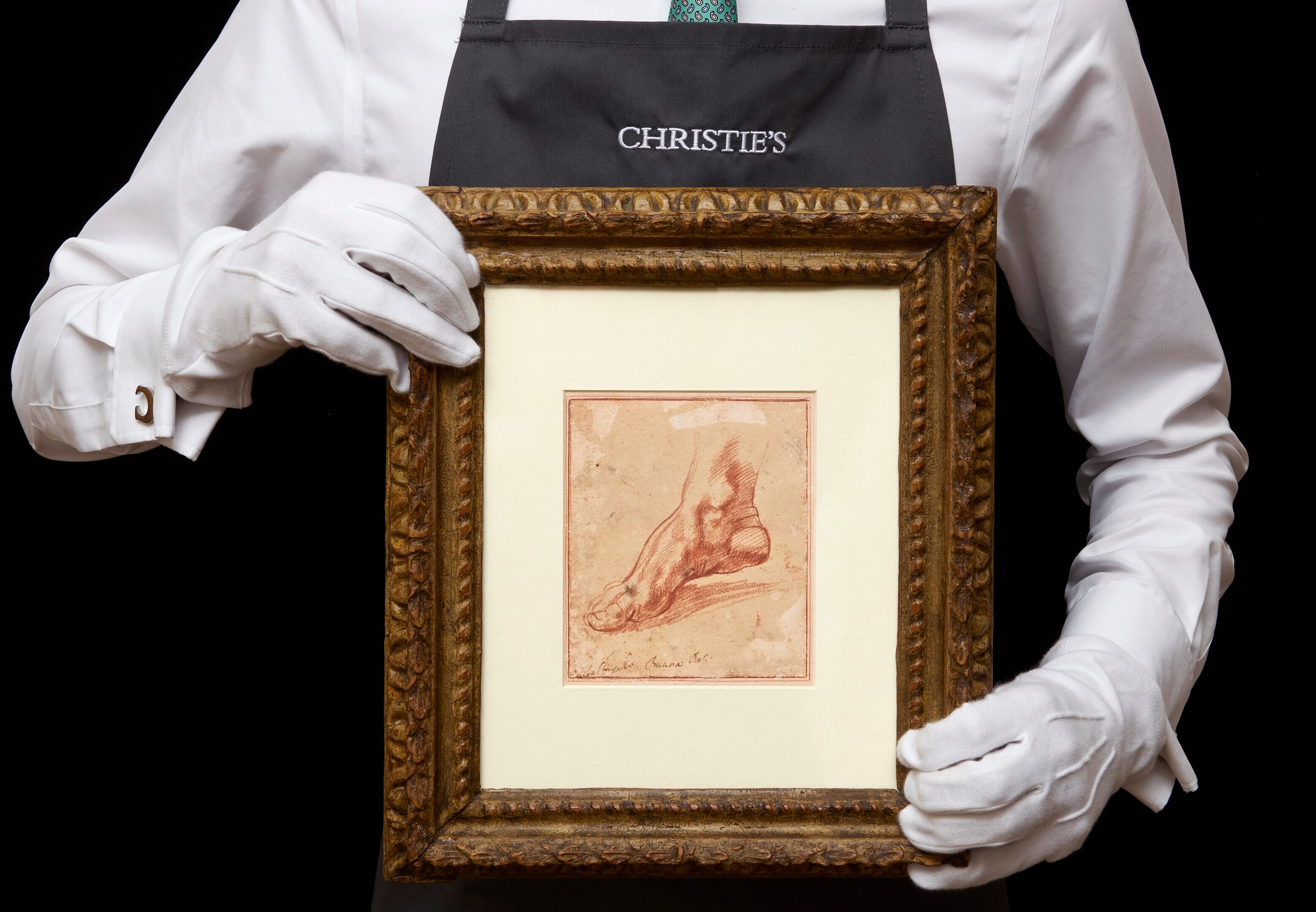
The drawing first came to light when a member of the public submitted a photograph through Christie’s online valuation portal. Requests of this kind are routine, and the platform is open to anyone wishing to share an image for review.
A Family-Held Drawing
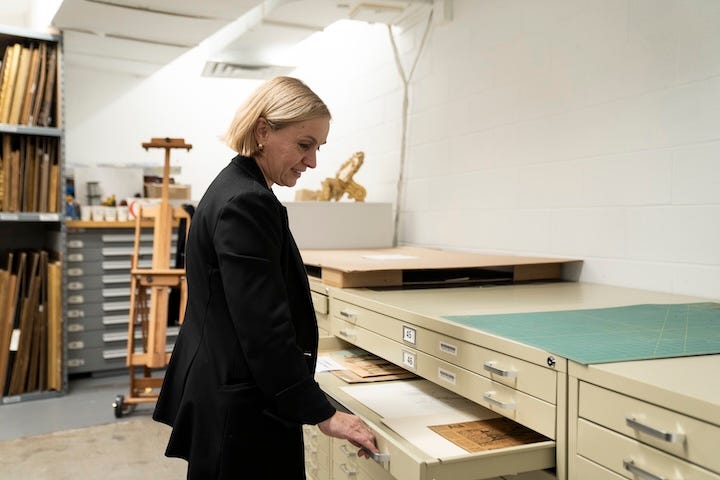
The photograph was sent by a man on the West Coast of the United States, who had inherited the drawing from his grandmother. The owner was unaware of its authorship or significance. The sheet had been part of the family’s collection since the late eighteenth century. When the image reached Christie’s specialist Giada Damen, its quality and period immediately stood out, even as she remained cautious about drawing conclusions.
Rare Discovery
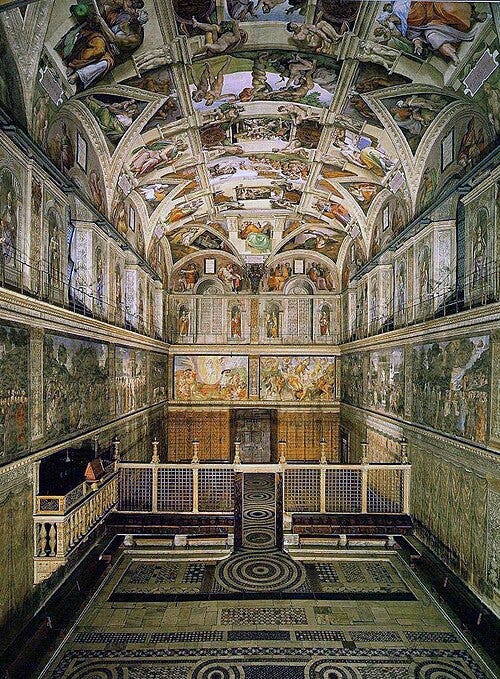
This is the first previously unrecorded preparatory study for the Sistine Chapel ceiling ever to come to auction. Of the roughly 600 Michelangelo drawings known to survive today, only around 50 relate to the Sistine Chapel. Only about ten drawings by Michelangelo are known to remain in private collections. This sheet is one of them, making its appearance on the market exceptionally rare.
The drawing belongs to a small and important group of red-chalk figure studies dating to around 1511, made from live models during Michelangelo’s work on the Sistine Chapel ceiling. These sheets are widely regarded as his finest achievements in the medium. The sheet formed part of Michelangelo’s working process for the Sistine Chapel ceiling, one of the defining projects of the High Renaissance.
The Libyan Sibyl
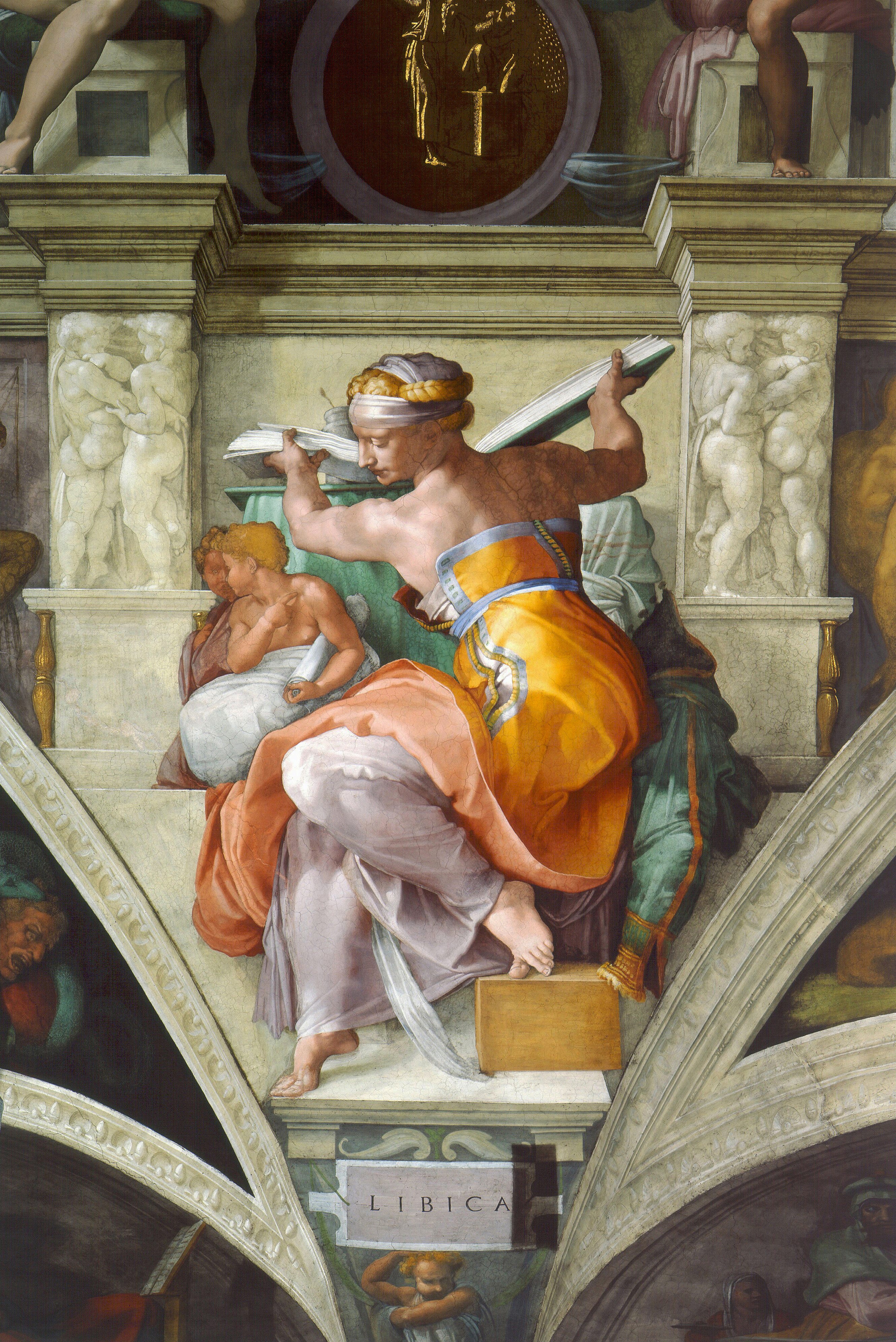
The drawing focuses on the right foot of the Libyan Sibyl, a monumental figure positioned at the far east end of the Sistine Chapel ceiling. She is one of five Sibyls (ancient female prophets from the Greek and Roman world) painted by Michelangelo, ancient prophetesses whose presence on the ceiling reflects Renaissance fascination with classical knowledge and prophecy. Among them, the Libyan Sibyl is often singled out for the physical power of her pose, shown mid-movement as she turns her body to lift and open a massive book.
The Artist’s Hand
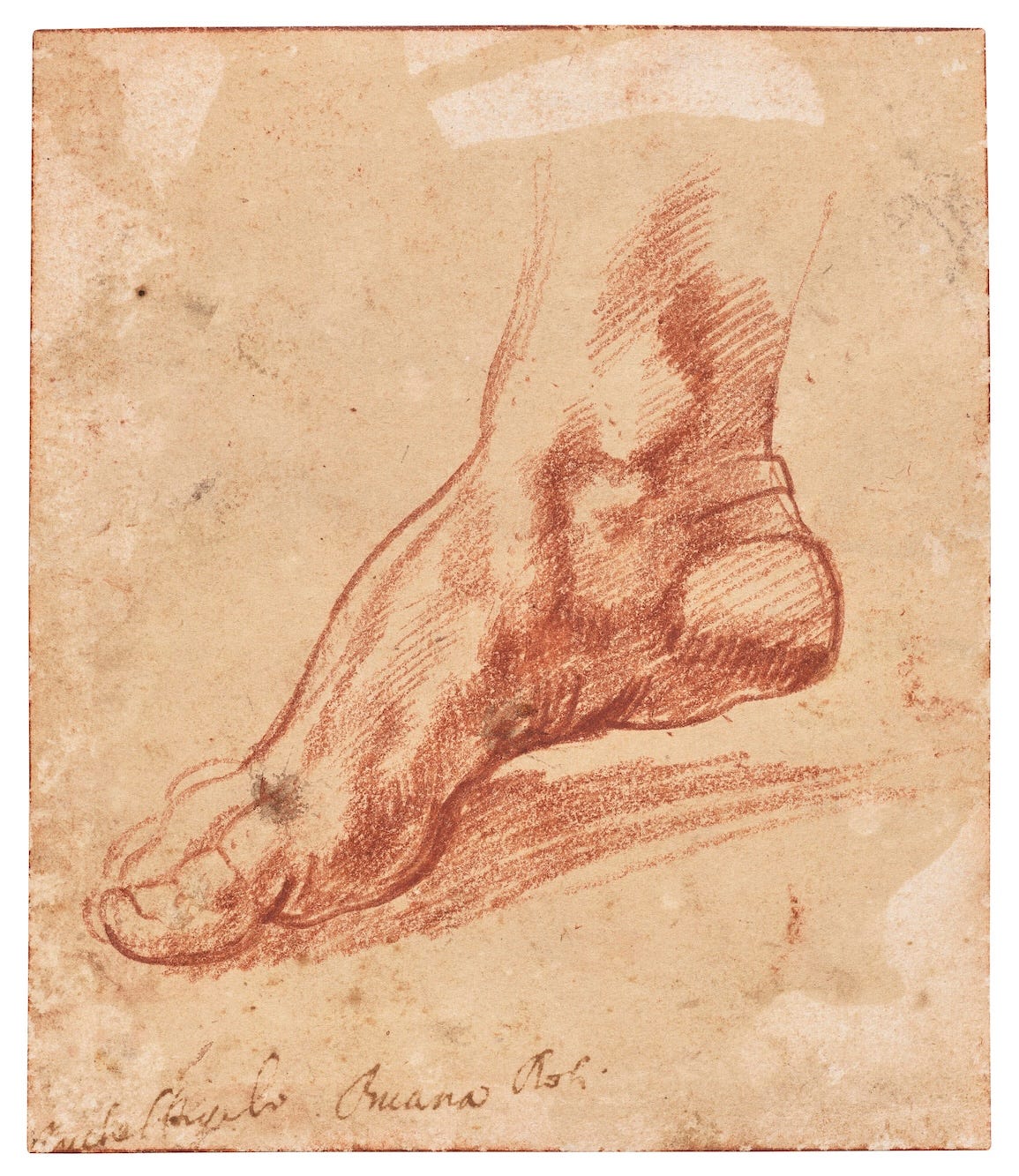
The Libyan Sibyl is painted at three times human scale. Michelangelo focuses on how the foot bears the physical weight of the figure, with the toes pressing firmly against the supporting surface. His mastery as a draftsmen can be seen through his use of light, shadow, and the sense of weight through how the foot has been drawn and positioned.
The red chalk is applied with force and confidence, revealing Michelangelo’s intense physical engagement with the drawing process and his sustained attention to anatomy. Infrared reflectography revealed additional anatomical studies on the reverse, concealed because the sheet had been laid down onto another paper. A related drawing at the Metropolitan Museum of Art includes studies for the Libyan Sibyl’s head, back, left foot, toes, and hand. This newly identified sheet completes the group with the right foot.