


Ishara Art Foundation’s first-ever summer exhibition will immerses you in the aesthetics of street art and urban spaces in a new way.
Entitled No Trespassing the exhibition showcases the perspectives of six UAE-based and South Asian contemporary artists whose styles and approach vary wildly. They are Fatspatrol (Fathima Mohiuddin), H11235 (Kiran Maharjan), Khaled Esguerra, Rami Farook, Salma Dib and Sara Alahbabi.
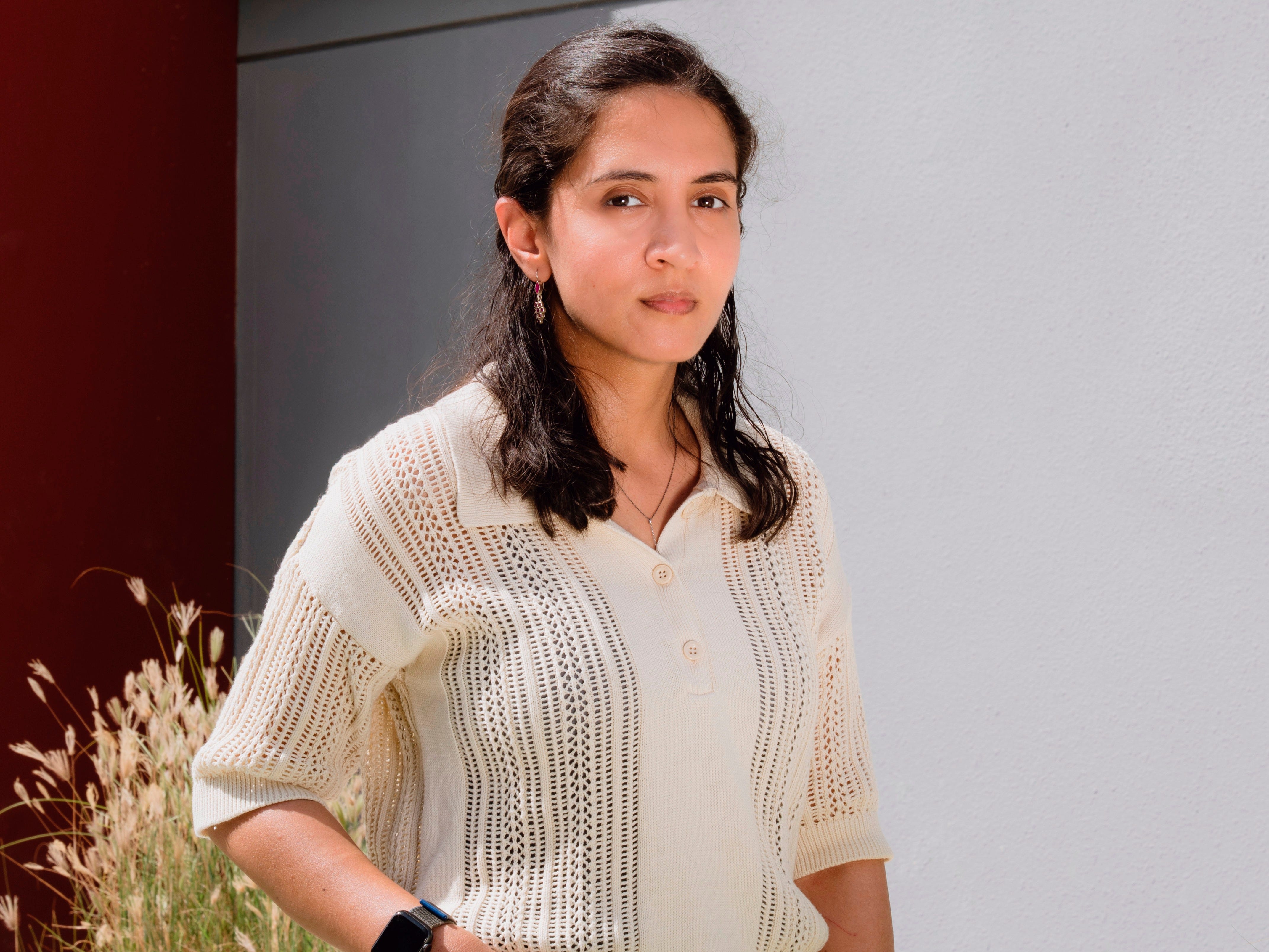
“I wasn’t interested in creating a show around street art, but street aesthetics,” Curator of No Trespassing, Priyanka Mehra tells me at The Culturlist. “The street is not just a place, but a genre.”
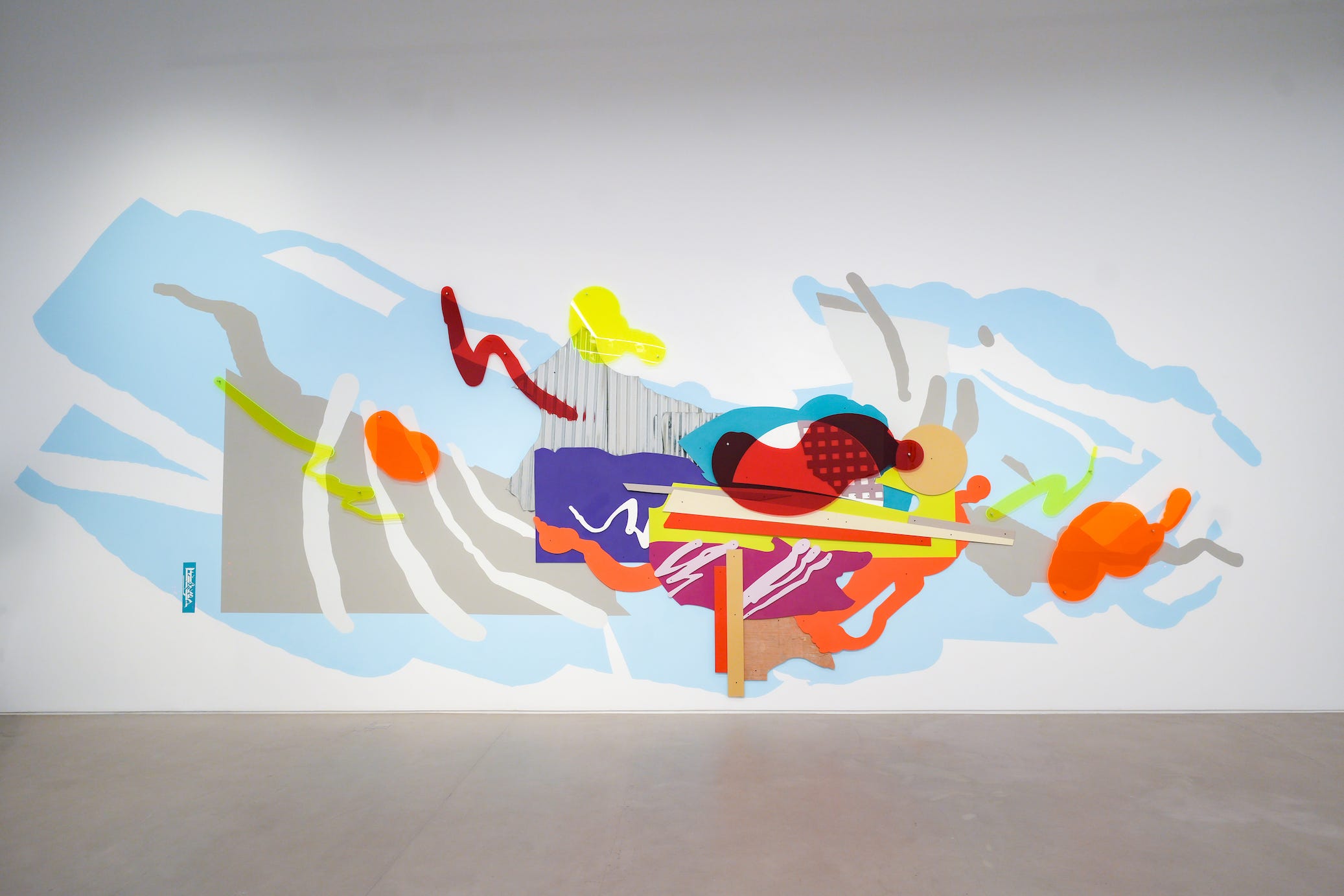
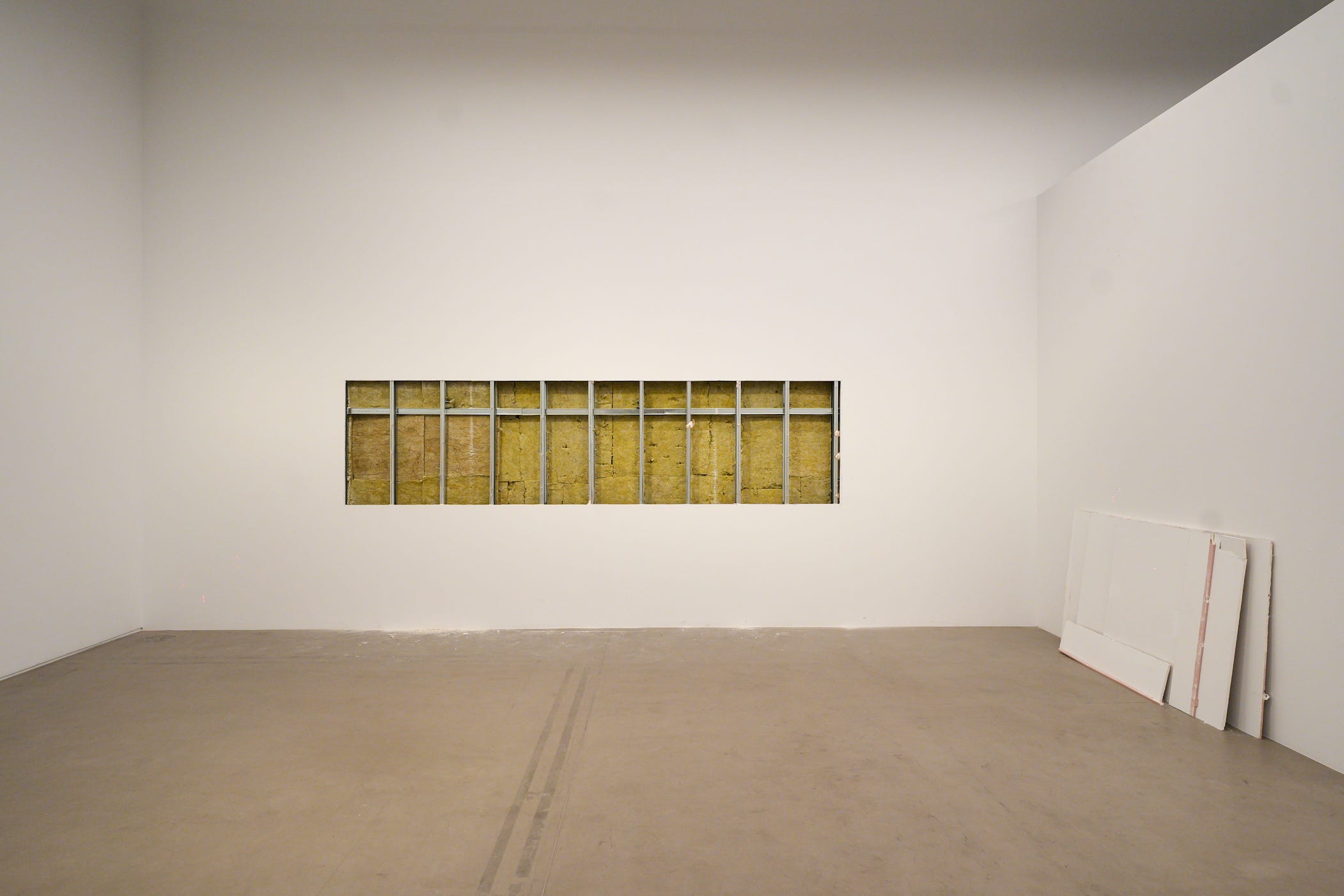
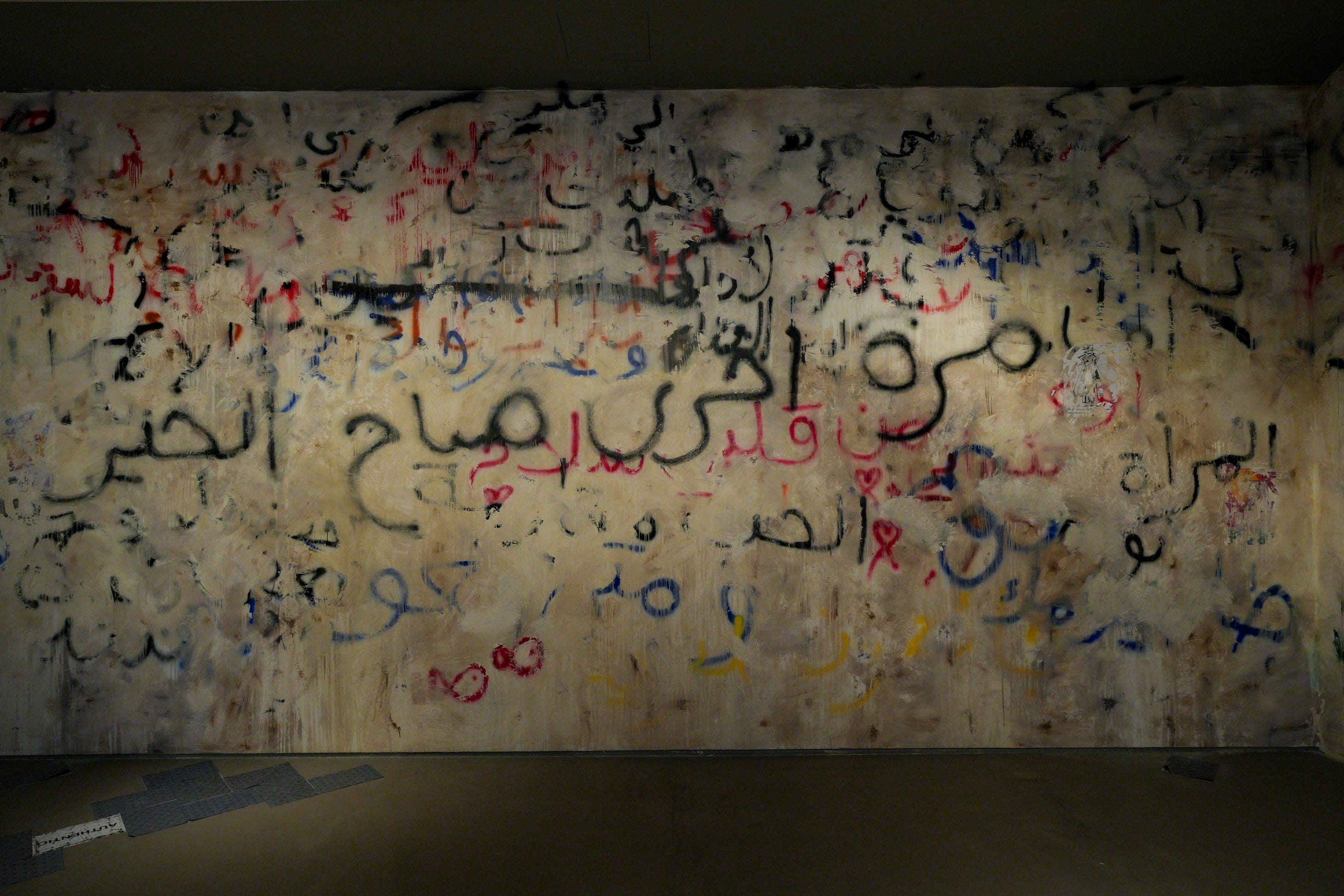
From H11235’s pop art influenced concept of a mural, to Rami Farook’s stark plaster board wall cut out that feels like an unfinished construction project and Sara Alahbabi’s LED lights, concrete tiles installation that invites you into a refined urbanist fantasy, No Trespassing is an incredibly diverse, exhibition that interprets concepts of street without being literal.
That distinction is important. No Trespassing isn’t about murals or graffiti styles transplanted indoors. Instead, the street as an experience of language, texture, and action is explored through the works.
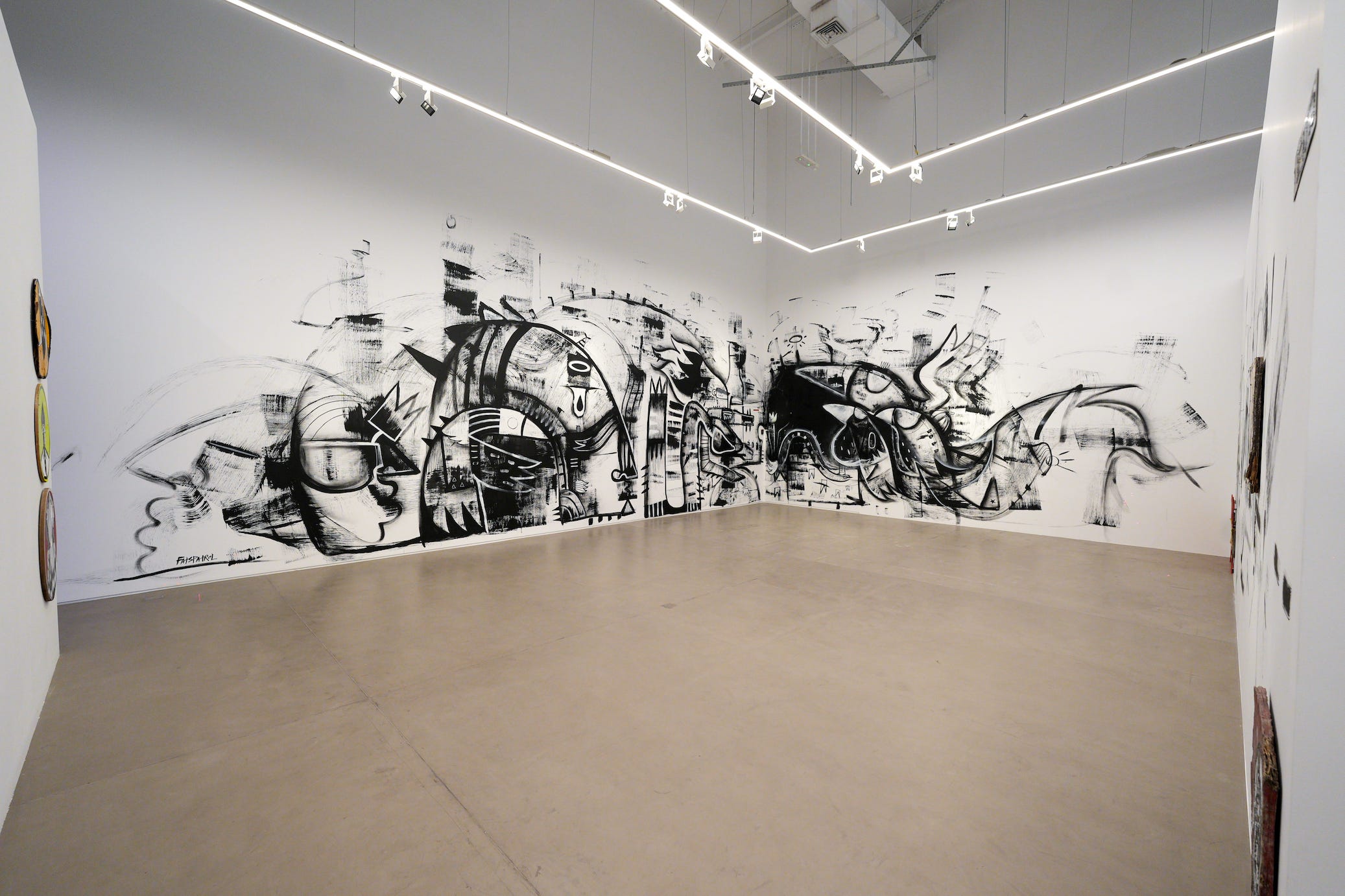
And while the medium and approach of the six artists vary, what binds the work together is not a shared style, but a shared invitation to wander into each artist’s process. Their methodology, their interior world, becomes magnified and mapped across the space.
Mehra shared her process of selection, the conversations she hopes the exhibition will spark and various facets of how we interact and view contemporary art.
Maan Jalal: No Trespassing resists defining the street, instead offering fragmented perspectives. How did you select the artists and their works to reflect this layered, often contradictory narrative?
Priyanka Mehra: Given my experience of working in public art and with street artists globally, I was interested in bringing that practice into a white cube space. Fatspatrol (Fathima Mohiuddin) and H11235 (Kiran Maharjan) were the first names that came to mind, as I was already familiar with their work.
As the concept developed, I realised I wasn’t interested in creating a show around street art, but street aesthetics. The street is not just a place, but a genre.
This led me to look into artists who are inspired by or have a practice that resonates with streets, and that’s how I approached Sara Alahbabi and Khaled Esguerra. Streets are so vast and full of different characters, some unruly and disruptive, and that was also the energy I wanted to channel. I thought, who better than Rami Farook to bring in that energy? He’s been such a changemaker in the art ecosystem in this region. Lastly, coming across Salma Dib’s work was a chance encounter, just like we find surprises on the streets!
Maan Jalal: This exhibition invites viewers to encounter raw, unfiltered materials. What conversations are you hoping to spark around that perceived preciousness of art and the invisible barriers between viewers and artworks in these institutional spaces?
Priyanka Mehra: I hope this will be a start towards the industry acknowledging that all art is worthy of being showcased. This is something that needs to be embraced by institutions as well as spaces that are not confined to four walls. If we claim that art is for all, why limit ourselves to how it’s defined by galleries or society? That would mean narrowing our audience, not to mention our own understanding of art.
I’m keen to see if this exhibition will encourage other formats within public art, as the focus has generally been on monumental works and showing established artists.
Maan Jalal: With artists like H11235 working remotely and others, like Rami Farook, literally carving into the space, the exhibition explores absence and presence in very physical ways. What do these acts say about ownership, authorship and proximity in contemporary art?
Priyanka Mehra: That’s such a compelling way to frame it! It’s interesting to observe the tension between presence and absence in this exhibition. The show is site-specific and does not consist of any pre-existing works brought into the space. With one of the artists working from afar and the team executing the project, many questions around authorship arise. We are also reminded of how borders have always played a massive role in defining who gets to occupy a space, how and on what terms.
As artists and curators, we’re always prepared to navigate uncertainties. In the moment, there is no choice but to make things happen, beautifully and as easily as possible for the artists and the team. In situations like these, authorship becomes collective rather than individual.
Maan Jalal: What do you hope visitors to the exhibition will leave with? From an experiential perspective as well as what potentially new ideas or feelings they will carry with them.
Priyanka Mehra: I can’t speak for the visitors but I do hope they are overwhelmed in a good way and leave with a feeling of awe. That there are other forms of art other than modern, postmodern and contemporary, and that there is beauty in vulnerability.
No Trespassing is on view until 30 August at Ishara Art Foundation.