


This week’s exhibitions move between pressure and perception, tracing how artists respond to time, landscape, memory, and language. From immersive environments and experimental painting to reflections on ecology, history, and belonging, these shows reward slow looking and sustained attention across the city.
CRACK by Werner Bronkhorst
CONCRETE, Alserkal Avenue
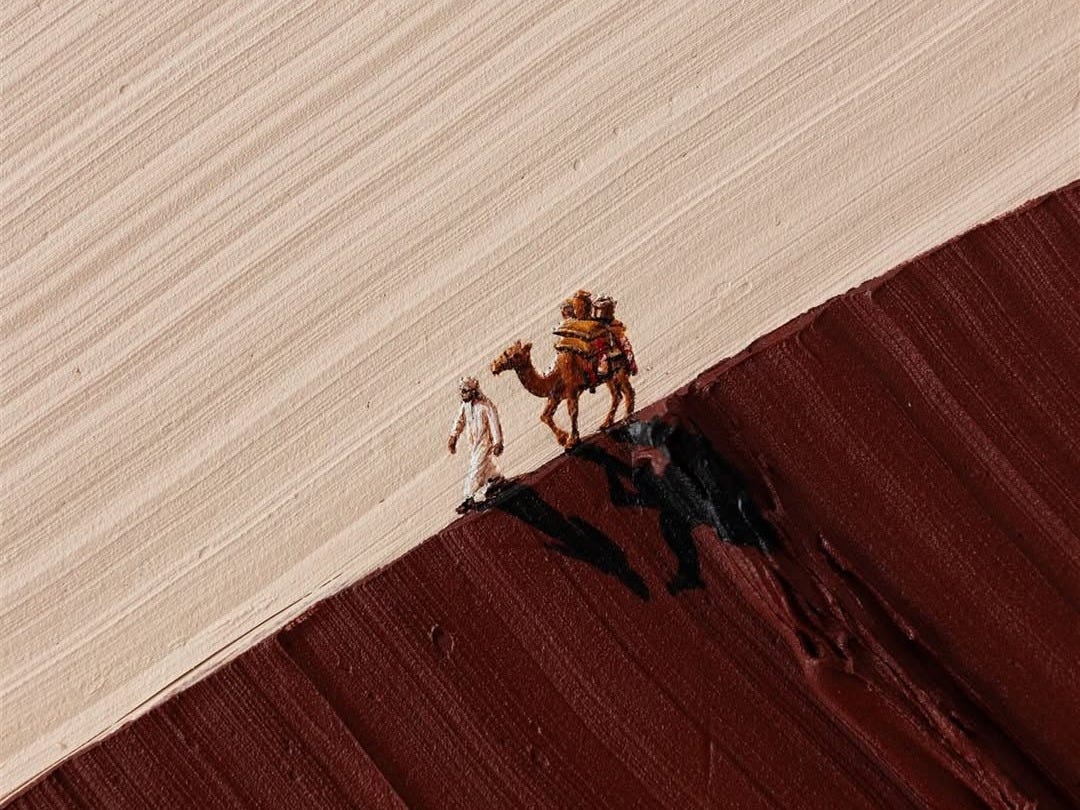
Marking his Dubai exhibition debut, artist Werner Bronkhorst presents the global premiere of CRACK, developed over a year through slow, deliberate experimentation. Staged across four immersive rooms, the exhibition explores landscapes under pressure, from clay courts and salt flats to imagined desert terrains. Hyperreal detail, sculptural environments, and tightly controlled colour fields create a sense of tension and narrative momentum. Unified by Bronkhorst’s warm, muted palette, each space transforms minimal shifts in surface and tone into an atmospheric world built on rhythm and restraint. On view until 18 January.
10am – 7pm, Daily
Hybrid Vistas
Nika Project Space
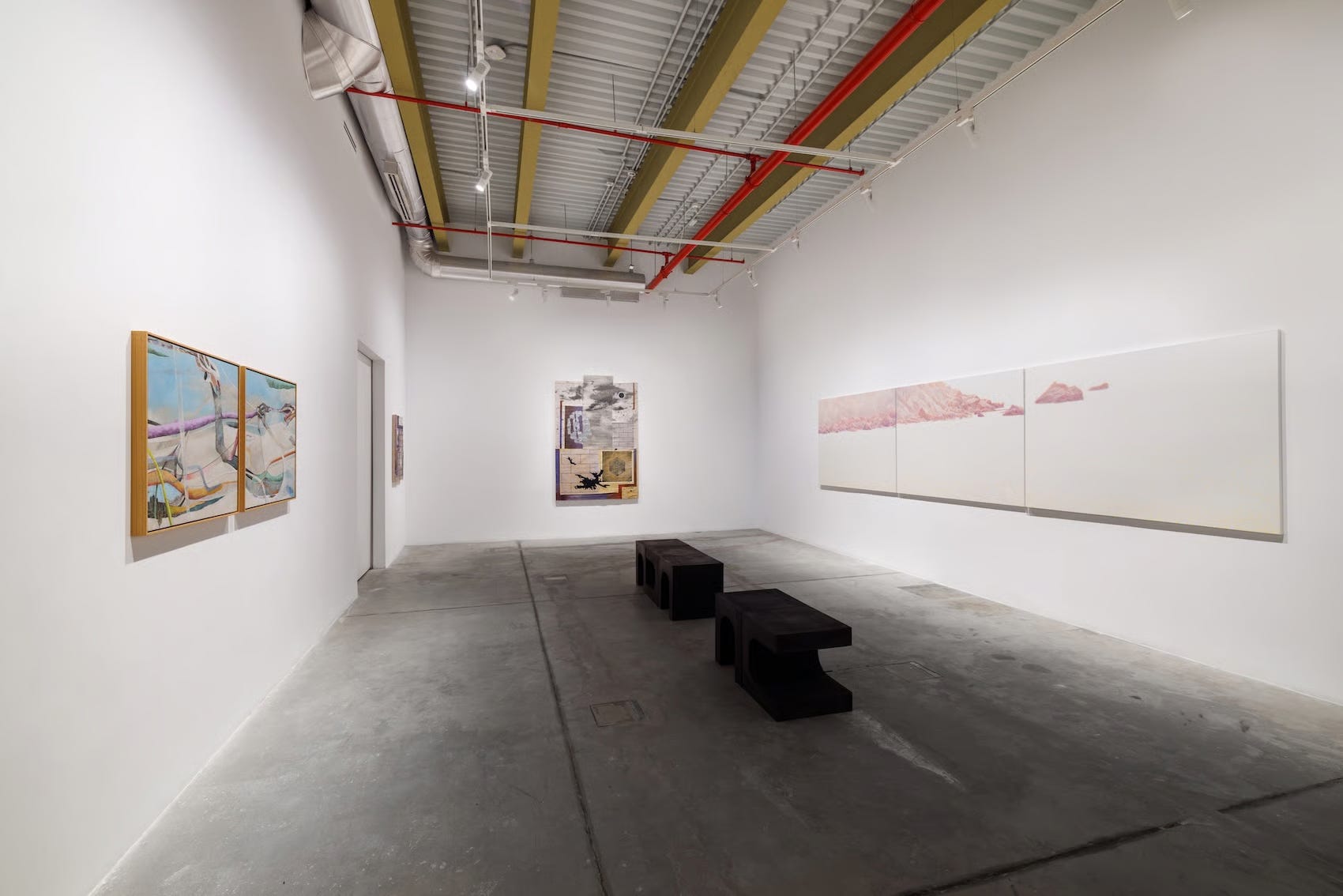
This group exhibition considers how landscape is reimagined under post-human thought, climate disruption, and digitally mediated perception. Painting becomes a site of experimentation rather than representation, where nature appears fragmented, imagined, or algorithmic. Bringing together works by Melissa Rios, Ali Kaeini, Katya Muromtseva, Daniele Genadry, and Adel Abidin, the exhibition treats landscape as unstable and constructed, shaped by memory, technology, and political rupture. Across abstraction and figuration, the works explore light, displacement, collapse, and hybridity, positioning painting as a way to hold what resists capture in an accelerated visual culture. On view until 07 February.
10am – 7pm, Monday – Saturday
Rusting Echoes
NYU Abu Dhabi Art Gallery
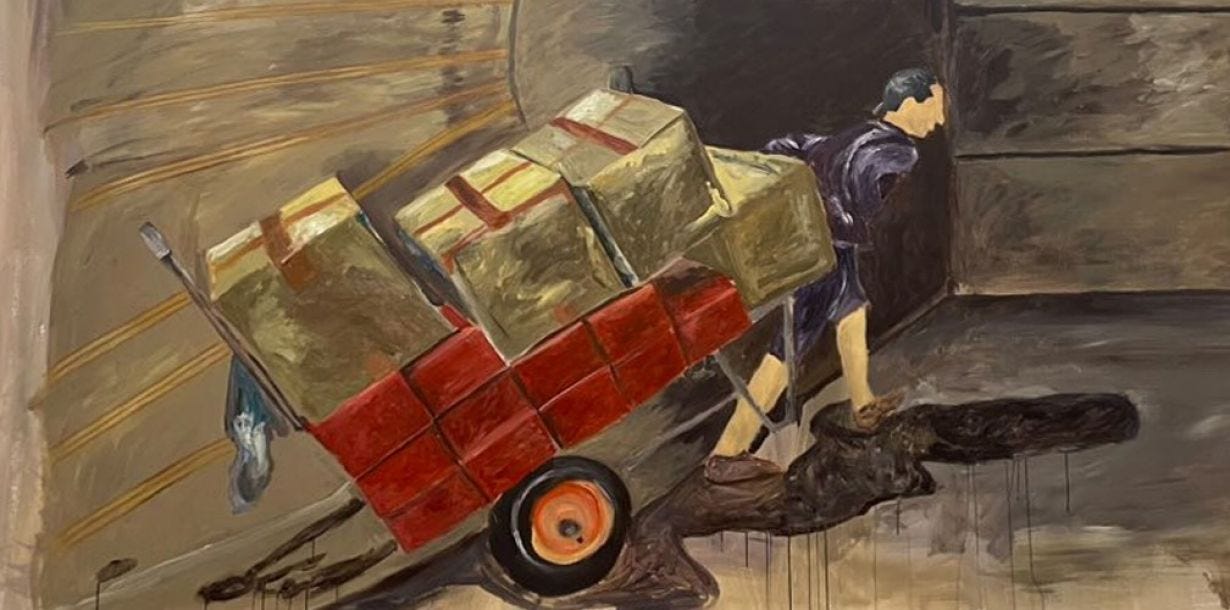
Curated by Sarrah Bashir, this group exhibition brings together Yoshi (Aisha Al Ali), Ammar Al Banna, Ahmed Al Kuwaiti, and Shaikha Al Shamsi in a meditation on time as lived and material presence. Working through slow, process-driven practices, the artists approach time as something felt rather than measured, revealed through decay, repetition, and accumulation. Rust becomes a metaphor for transformation and endurance, while echoes point to memory and residue. Together, the works invite close attention to subtle shifts, textures, and the quiet persistence of change. On view until 15 February.
12pm – 8pm, Tuesday – Sunday
Remember the Future by Anuar Khalifi
The Third Line
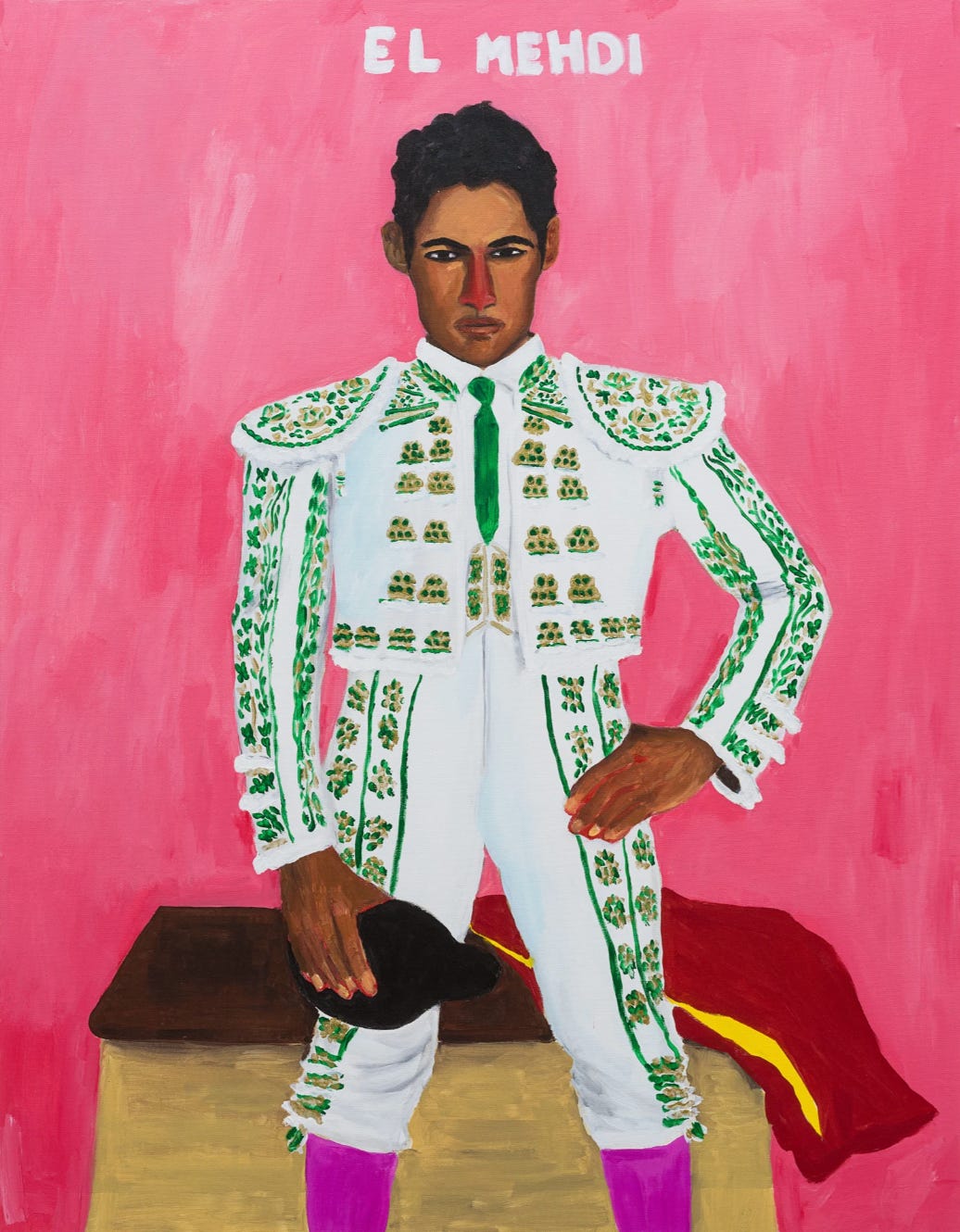
This third solo exhibition by Anuar Khalifi brings together new large-scale paintings and works on paper that move fluidly between reality and imagination. Drawing on magical realism, poetry, and art history, Khalifi treats painting as a space shaped by intuition, memory, and lived experience. Recurring symbols and carefully composed settings invite open-ended readings that resist fixed narratives. Rather than anchoring meaning to place or identity, the works foreground universal questions of time, intimacy, spirituality, and presence, unfolding with a quiet sense of play and curiosity. On view until 1 March.
11am – 7pm, Monday - Sunday
Invisible Fish by Saif Azzuz
Lawrie Shabibi
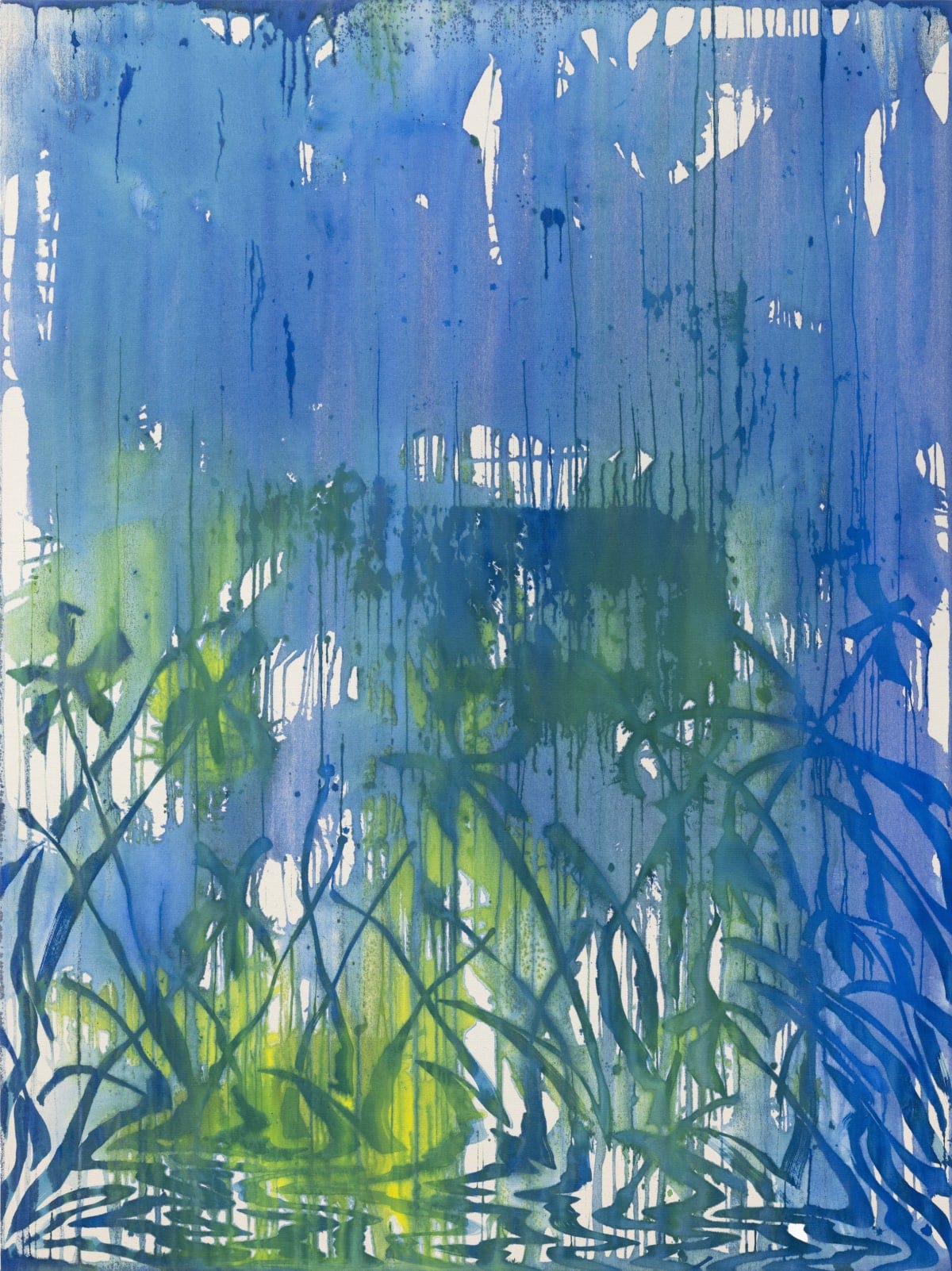
Marking his first solo exhibition in the Middle East, Saif Azzuz presents a research-driven body of work shaped by marine environments and inherited relationships to water. Spanning painting, works on paper, sculpture, and moving image, the exhibition traces ecological and cultural histories of the region before large-scale urban development. Drawing on fishing practices, coastal labour, and aquatic ecosystems, Azzuz treats water as a lived, connective system rather than a resource. Titled after a poem by Joy Harjo, the exhibition reflects on memory, transformation, and environmental change. On view until 3 April.
10am – 6pm, Monday - Saturday
Urdu Worlds
Ishara Art Foundation
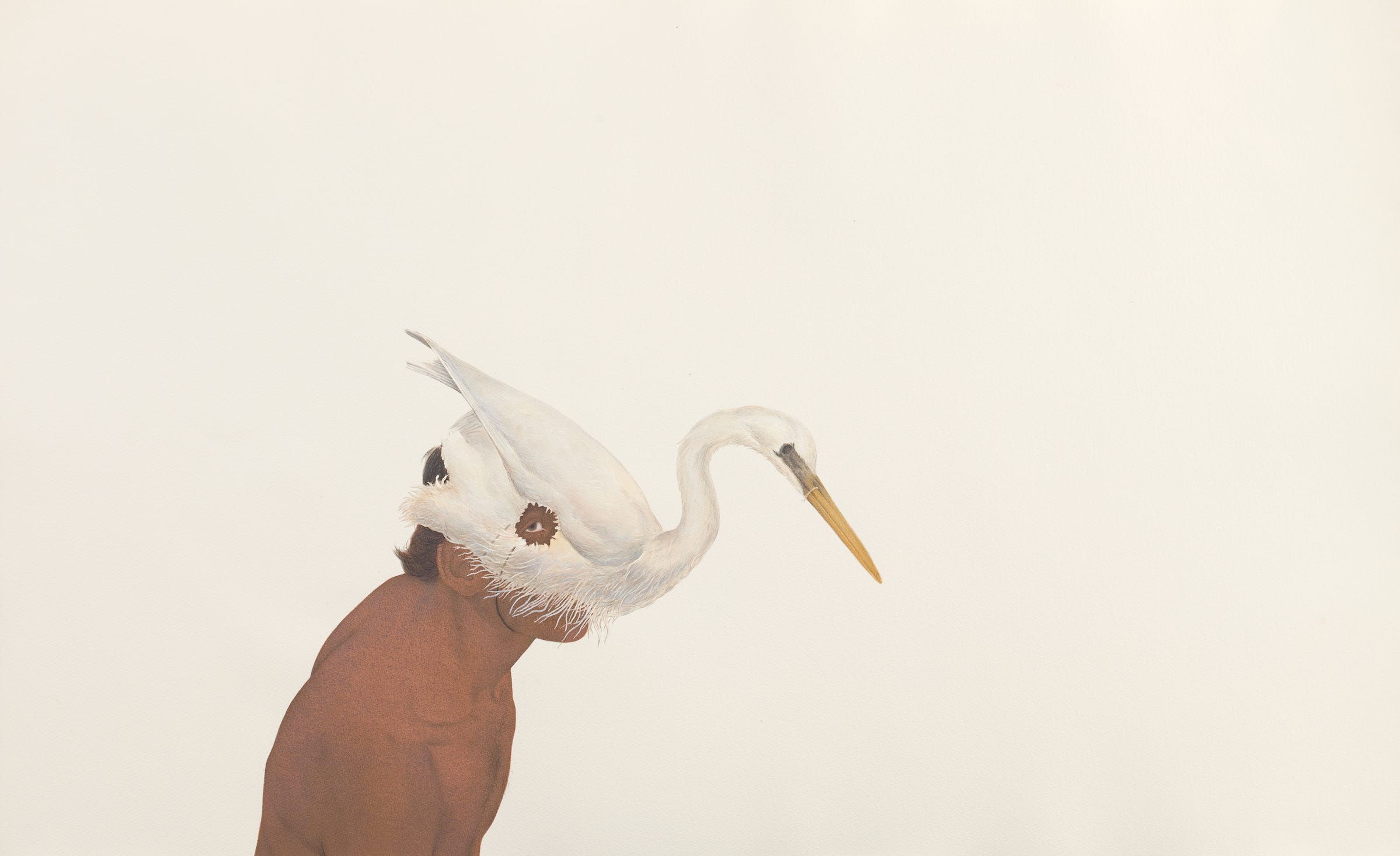
The UAE’s first contemporary art exhibition dedicated to the Urdu language brings together major works by Ali Kazim and Zarina, curated by Hammad Nasar. Framed as a visual conversation, the exhibition explores how language shapes inner worlds, memory, and belonging. Zarina’s woodcuts weave Urdu script, proverbs, and poetry into meditations on home and exile, while Kazim’s paintings, prints, and videos trace land as a carrier of history and lived experience. Together, the works examine language as both refuge and cultural inheritance. On view until 31 May.
10am–7pm, Monday - Saturday