


From the Editor
Lately, I’ve been thinking about the subconscious as the source of creativity.
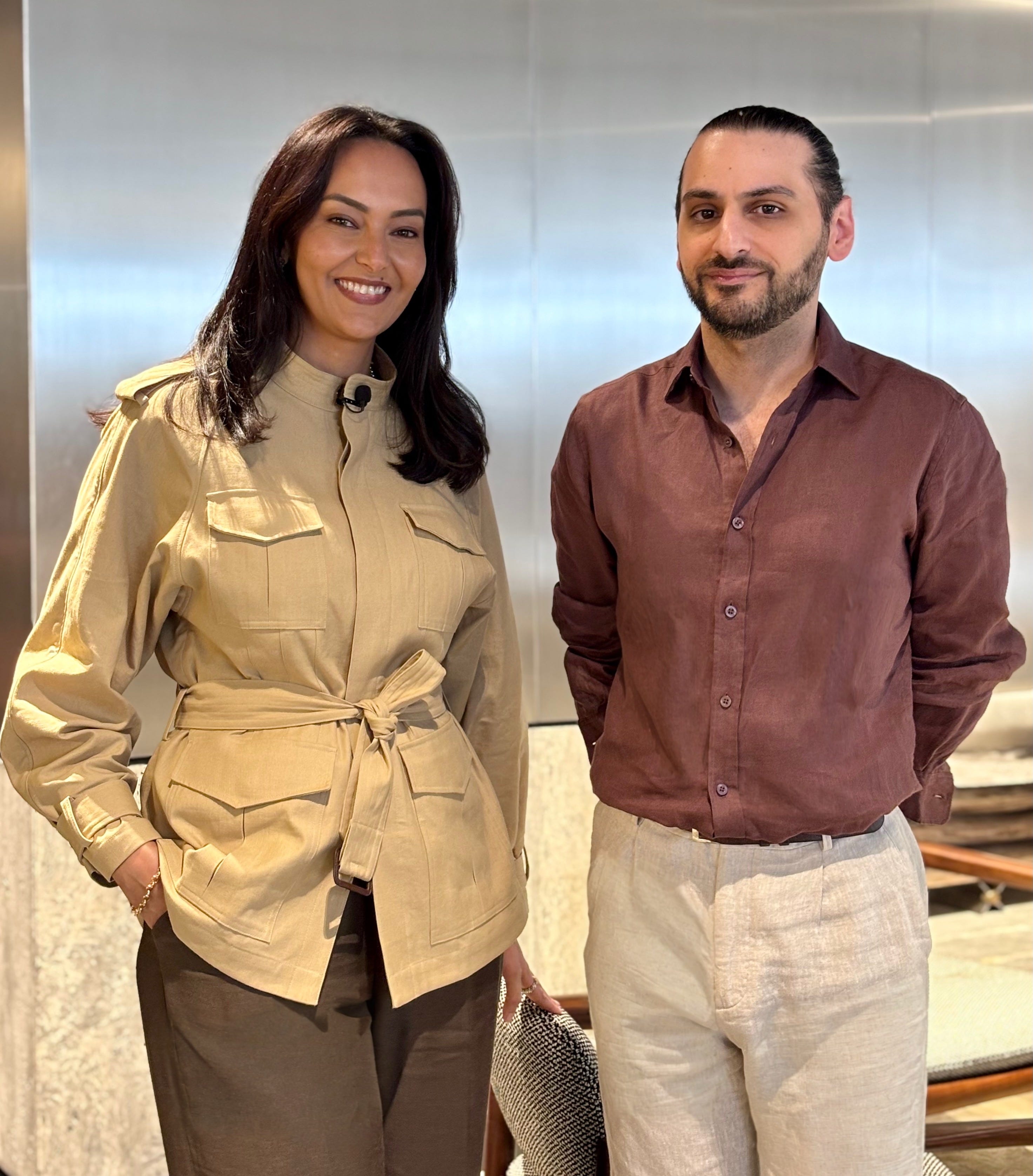
The Italian design brand Minotti Dubai in collaboration with a Isola Group Design held two talks covering design and the city. In the first talk entitled What Makes a Space Feel Alive: Human-Centred Design, Beyond Function, the moderator asked the designers on the panel a simple question - what space has left a last impression on them.
Unsurprisingly all the designers referred to spaces from their childhood, and most referenced their grandparents in some capacity. One designer, Rabah Saeid, founder and creative director of Styled Habitat, spoke about her grandmother cooking in the kitchen. She recalled how her grandmother would set the spices and herbs in front of her as she moved between different spaces in the kitchen, in a rhythm and flow that felt like a dance.
Saeid then said something that really stuck with me, which I quickly jotted down in my notes.
“As designers, knowingly or unknowingly, we are always tapping into a subconscious memory, and it comes out in our work, even if it’s a faint trace, it’s coming from that memory.”
It’s a recurrent idea with many artists who think about how and where art, inspiration, or the muse comes from. It’s also notion that connects various art practices.
Whether you’re a singer, designer, architect, painter, photographer, filmmaker, a novelist, you are creating work. A thing that comes from somewhere, that is then reshaped, refined, edited, curated, packaged and presented to an audience.
All of it comes from some kind of memory. I don’t mean nostalgically. A colour, pattern, a relationship, a conversation, a singular moment, the weather at a certain time, the size of a room, the mannerisms of someone you love, it’s endless and mysterious why something captures and influences us.
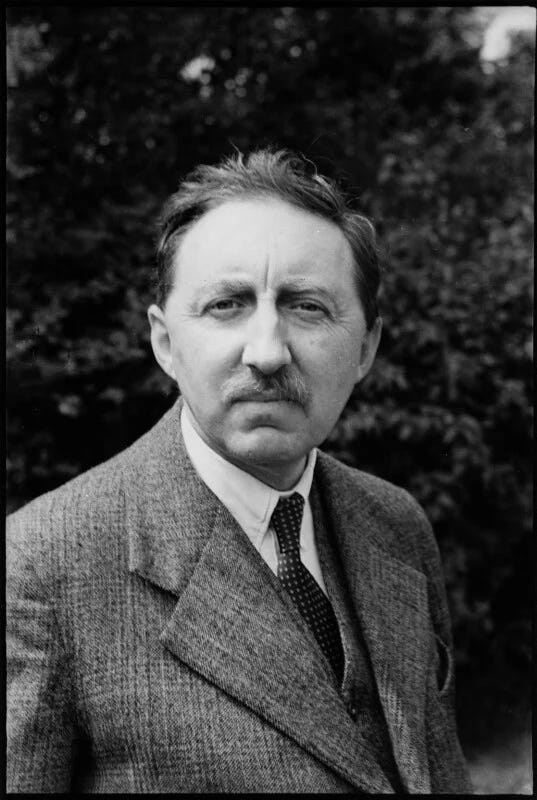
In one of his essays in the collection Two Cheers for Democracy, E. M. Forster (I need to re-read Howards End and A Room With a View pronto) writes about creativity and the unconscious.
“What about the creative state? In it a man is taken out of himself, he lets down a bucket into his subconscious and draws up something which is normally beyond his reach. He mixes this thing with his normal experiences and the out of and out of the mixture he makes a work of art.”
It doesn’t matter what kind of creative practitioner you are, nothing as true as this statement by Forster has ever been said.
So, ponder this for a moment. Everything that we experience, the design of a chair, a well-trodden cobbled path that snakes through a field, a film we’re watching, novels and short stories we’re reading, songs we’re listening to, a spiralling stair case, how we put an outfit together, the rules of how a table is set, all of them are connected. All of them came from someone’s subconscious.
As we walk through a village, town, city, sometimes even landscapes, even how we walk and present ourselves while we do it, we are living in and through other people’s memories, their subconscious, perceptions, and impressions of the world that have been moulded and reshaped into something for us to experience.
And so many of these everyday experiences, are filtered through our minds, clicking with this or that, and being regurgitated, transformed into a new thing we present to the world – a poem, a recipe, a design, a drawing, a structure.
We are living through art, through the experiences of other people all the time, without even realising it.
It becomes a matter of urgency almost that we must then surround ourselves with things that we deem as aspirational, beautiful, things of awe. The influence on our subconscious on our process, productivity, on our creations, cannot be underestimated, simply because we still don’t really understand how it all works.
This Week on The Culturelist…

Akihiro Miwa Dies at 91: The Artist Behind Some of Studio Ghibli's Most Memorable Voices

Few public figures have occupied as many facets of Japanese culture as Akihiro Miwa.
The Exhibition List: Contemporary Art, Identity, and Belonging in the UAE

This week’s exhibitions explore belonging, memory, and the ways we shape the world around us. From contemporary reflections on the UAE to dialogues between art, design, and architecture, these exhibitions examine identity, movement, material culture, and the body through practices that span generations, disciplines, and geographies.
Where does one begin with David Hockney?

Before David Hockney, I had studied mostly traditional or popular artistic movements. While important and inspirational, they also felt distant. Hockney’s work felt alive, curious, playful, accessible, aspirational, and deeply human all at once.
The Culturelist Picks…
Watch this week's books, films, exhibitions and cultural discoveries…
This Week’s Quote…
I’ve been re-reading essays from Philip Pullman’s wonderful collection Daemon Voices: On Stories and Storytelling. The book is a collection of more than 30 essays written over 20 years (they also include speeches) that explore the act of writing, stories, and storytelling.
In the first essay the Magic Carpets: The Writer’s Responsibilities, Pullman explores the responsibility a writer has to many things including to the audience and to language. This particular line stuck with me.
We should try always to use language to illuminate, reveal and clarify rather than obscure, mislead and conceal.
This Week’s Question…
Creativity is such a mysterious, weird, thing.
So many writers and and artists, especially when they start out, wait to be inspired, are looking for the “muse” assuming that something from the outside has to trigger them in order for the thing they want to create to come into being. This is as opposed to the idea that inspiration comes from somewhere inside revealing itself while doing the actual work.
With that in mind, I want to know your thoughts on creativity.
Where do you think creativity comes from?
Thank you as always for your subscription to The Culturelist and please enjoy this week’s collection of stories.
See you next week,
Maan Jalal