


It’s no surprise that America’s Next Top Model (ANTM) didn’t age well. Plenty of things don’t. But after watching Netflix’s Reality Check: Inside America’s Next Top Model, the three-part documentary about the show, we can at least recognise that the problem with the show goes much deeper than, “it was just a product of its time.”
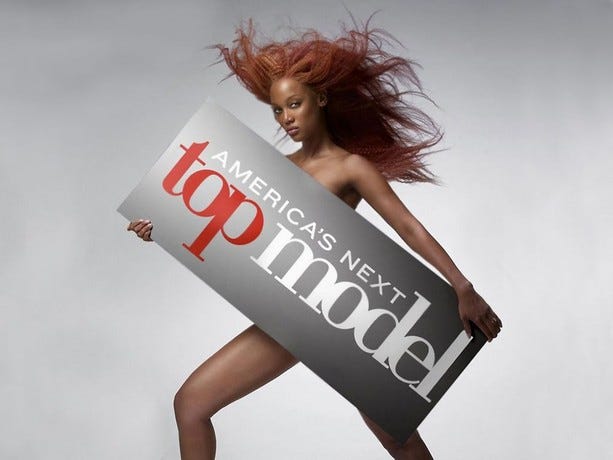
The problem was Tyra Banks.
I, like other millennials, was a fan of the show, watching the deranged challenges and theatrical story lines with the understanding that this was a normal extension of the glamorous fashion world, and that probably, some of it, was exaggerated for dramatic effect – you know, good TV.
I was entertained by all of it, even the stuff that raises eyebrows today. We were all oblivious then, and to a degree even now, by how unhinged ANTM was. The random reels and memes continuously circulating our newsfeeds often turn the countless bizarre, skit like moments from the reality show into a quirky early millennium piece of cultural curiosity that we laughed off.
However, despite being a fan, I can now tell the difference between elements of the show that existed from an environment that was socially and politically different to the present, and, to put it mildly, tyrannical, grandiose, manipulative, behaviour that is abhorrent and wrong no matter what time we live in.
I’m not a fan of take down pieces, and this review wasn’t meant to be that. But it was impossible to find a redeeming quality about Banks throughout the documentary. Even from her own words when she was trying her hardest to give us context in her very eerie HR voice and disconnected tone, explaining situations rather than apologising for them.
Reality Check included interviews from most of the judges on the show - catwalk expert J Alexander, creative director Jay Manuel, photographer Nigel Barker. Executive producer Ken Mok sat down for an interview and Banks the show’s creator, producer, and host, surprisingly was also interviewed. A handful of contestants were interviewed for the documentary but certainly not enough.
There is so much to dissect and analyse about this story, that I don’t think that a 2,000 plus word story is enough. Regardless, here are my six deep dive thoughts after watching the documentary.
Enjoy.
ANTM Opened Doors
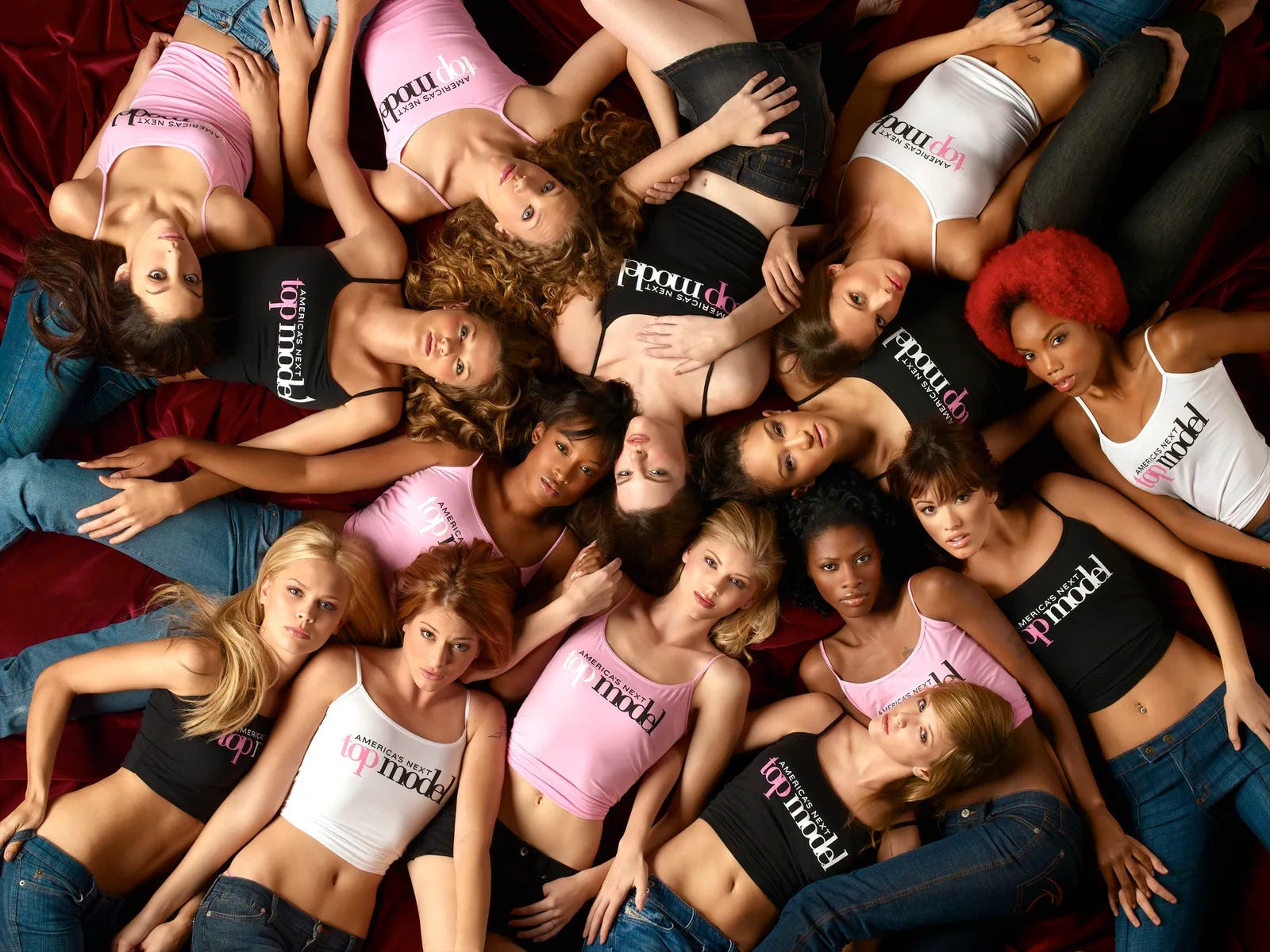
For better or for worse, ANTM shifted culture in a major way. It was one of the first reality shows focusing on fashion that resonated globally. The competition style reality show put young model hopefuls against one another through photoshoot challenges for the ultimate prize, a modelling contract. Running for 24 seasons / cycles from 2003 to 2018, the show aired in 170 countries with plenty of local spinoffs.
ANTM made models protagonists of their own stories, blurring the lines between their personal lives and their work as professionals. This was before influencers and Instagram culture, and the show, whether purposefully or not, helmed the shift in fashion where models weren’t just anonymous mannequins but personalities who could sell both image and story.
The show, and Banks, changed modelling and fashion, helping to usher in influencer and self-branding culture. One must recognise what Banks has done important work for women of colour, and women who didn’t fit into the narrow beauty ideals of the early 2000s. However, we must also ask ourselves, at what cost and on whose pain.
Heartbreaking Stories: Shandi, Daniel, Keenyah
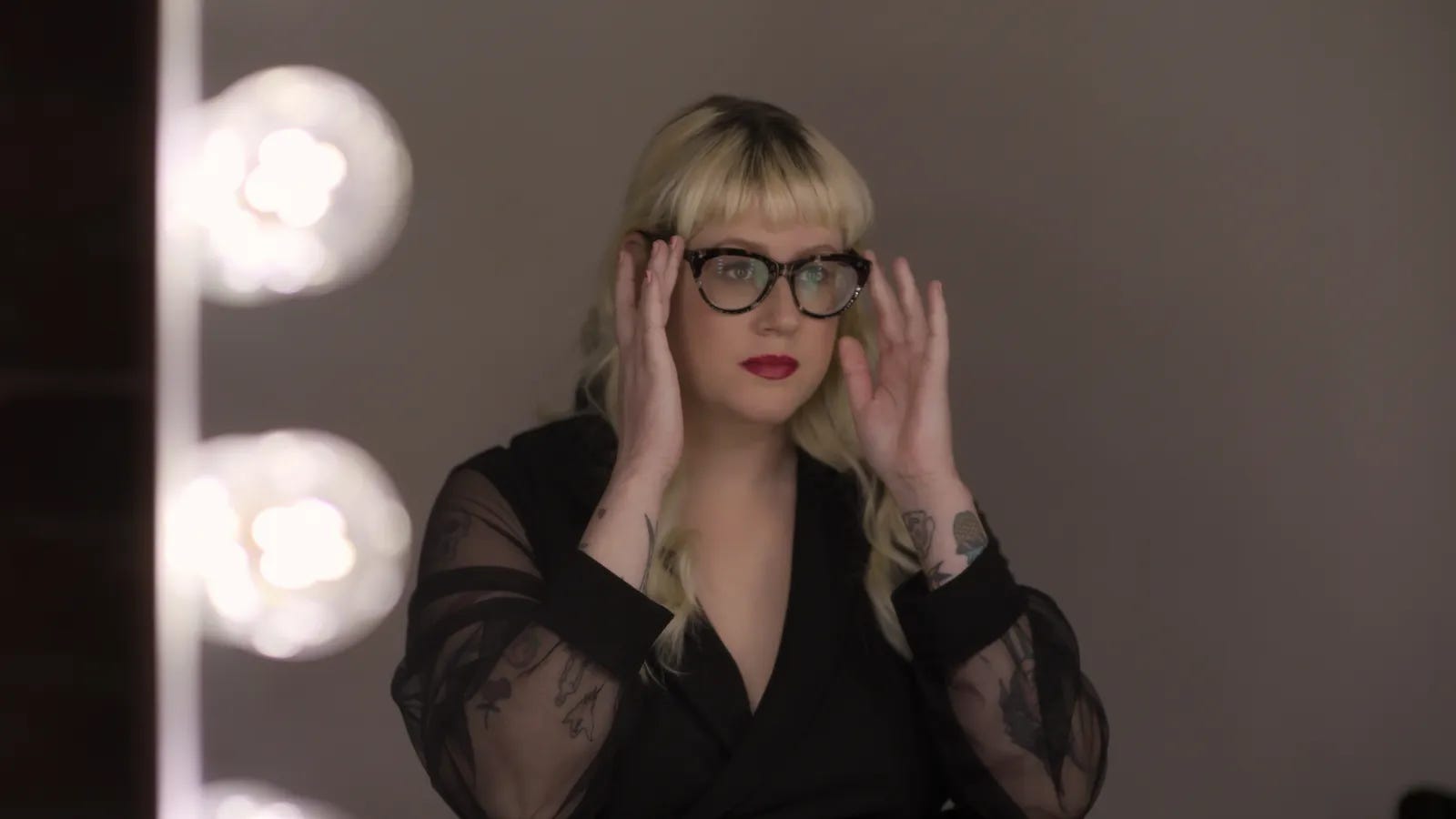
It makes no sense to me now looking back how Shandi Sullivan’s story was ever allowed to air. Not only was Sullivan under the influence, unaware of what was happening to her, she wasn’t allowed to contact family or her boyfriend after the incident. She had to threaten to leave the show before they provided her with a phone. And then, Sullivan was filmed having a break down as she told her boyfriend that she cheated on him – which in fact, I don’t think she did. And to add another layer of insanity to all this, Banks planned a whole scene where she swooped in under the guise of big sister with stories about cheating and a warning of giving into one’s “carnal desires.”
Monk’s reasoning was that ANTM’s was taking a “documentary” approach. The only thing this was documenting was a produced scenario. Monk then made it seem like the show did Sullivan a favour by scaling “back that scene in a significant way.” To top it all off, in her confessional when asked about Sullivan, Banks had the audacity to say she didn’t have anything to do with production. But she did have some control on her own talk show.
Not only did Banks admit on the The Tyra Banks Show that she edited the episode in question, but she also seemed intent on traumatising Sullivan further. Backstage, Sullivan informed Banks that she hadn’t seen any footage of the now infamous episode and asked not to see it, only for Banks to then play the scene to her, in front of a live audience.
“Shandi you weren’t watching that, you were looking down, how come you can’t watch that?” Tyra asked on stage.
Diabolical, insane, cold.
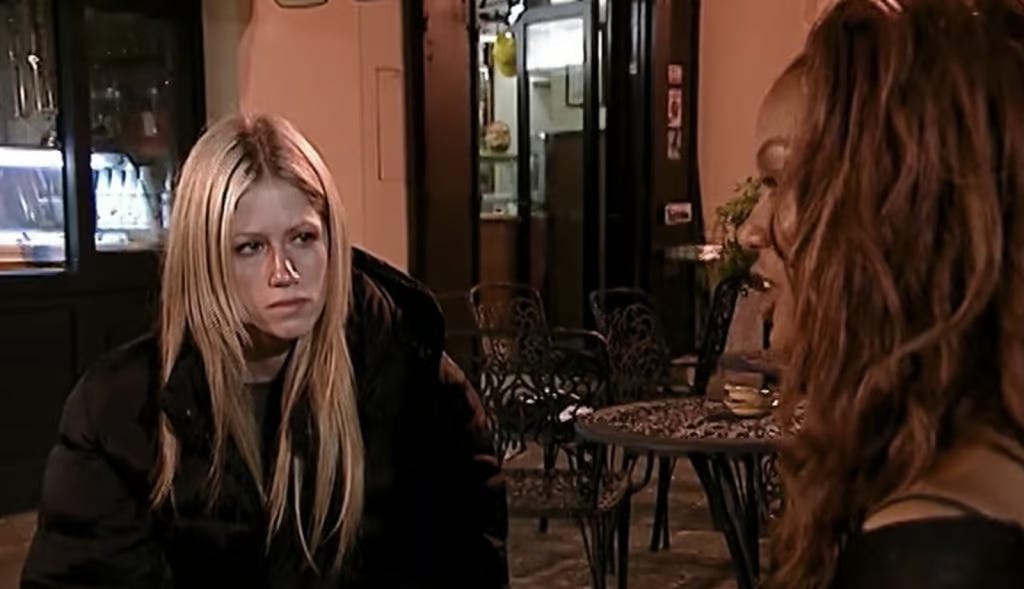
This has nothing to with how different things were then. Bank and Monk were in positions of power and they allowed this to happen, and in fact, used it and benefited from it.
Then there was the defensive “I already apologised to Danielle” debacle. Winner of Cycle 6, Danielle “Dani” Evans was forced to close the gap of her teeth during her time on the show, and watching back those scenes now felt incredibly uncomfortable.
In her confessional Evans explained how winning the show actually stopped her from getting work as a model and that she suffered professionally for years without any guidance from Banks or anyone from the show. Tearfully she recalled a conversation with Banks years after her win, where Banks told her:
“She was like “I knew that there were certain doors that you couldn’t even get into because you did Top Model. And I did nothing about it. And she to me, “I always rode the fence with you.”
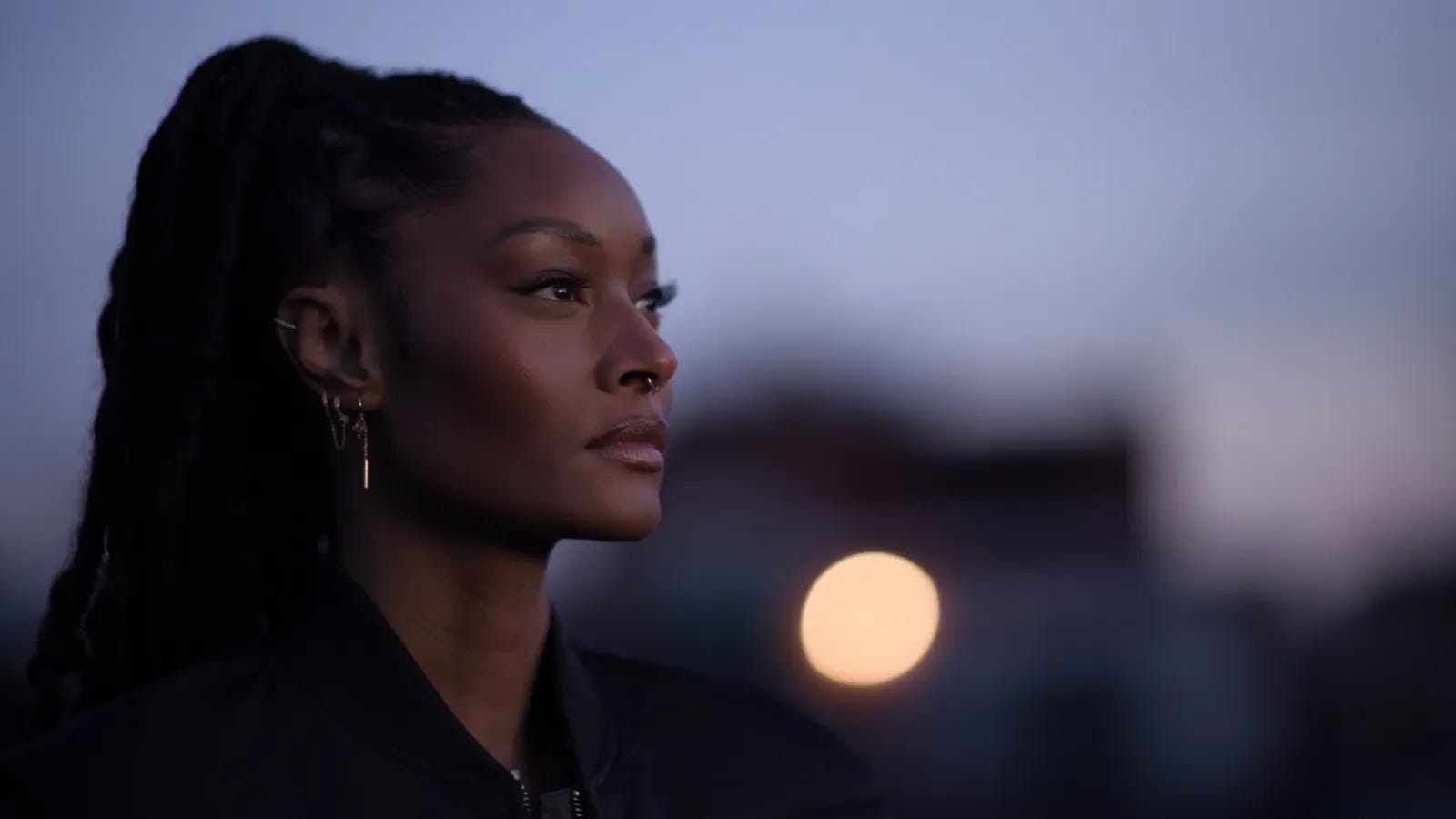
Equally frustrating was rewatching scenes of Keenyah Hill who experienced sexual harassment on the set of a Cycle 4 photo shoot in South Africa. Despite Hill professionally and bravely stopping the shoot and speaking up, telling producers she was uncomfortable, the producers and photographer did nothing. A later scene then shows Banks at the judging table telling Hill that she should have used her “feminine wiles” and tell the aggressor “in a fun way” to stop.
Banks recalls the incident on Reality Checks saying:
“We all now understand the protections that women need, so I say to Keenyah, boo boo, I am so sorry. None of us knew. Network executives didn’t know, and I did the best that I could at that time. But she deserved more. She did.”
Despite her saying those words, I don’t understand why it doesn’t feel sincere.
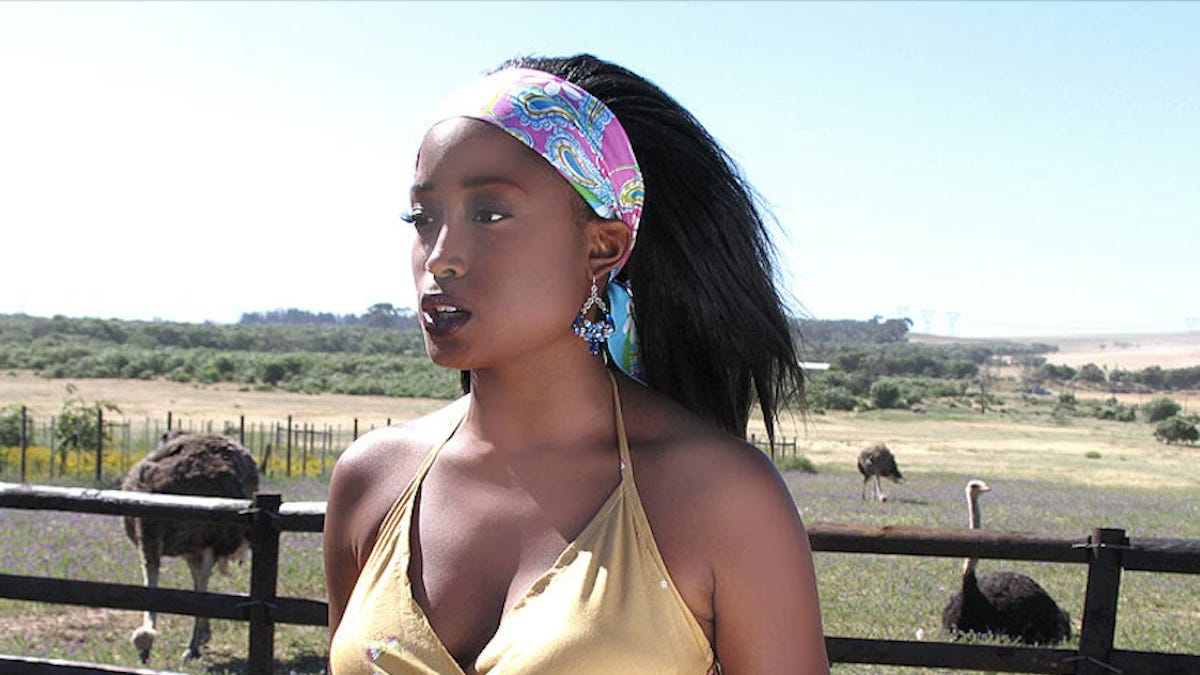
While the show’s focus was on the contestants, I wanted more. Where was Tiffany Richardson, Yoanna House, Naima Mora, Yaya DaCosta – to name but a few of the contestants over the years that left a lasting impression on us. However, what the show did well was ask the questions we wanted answered from Banks, Monk, and the judges, while focussing on what mattered most, the story of the girls.
Unhinged Challenges
Yes, the challenges were insane. Humiliating, ridiculous, unhinged. One contestant, Dionne, whose mother had been shot by an ex-lover and left paralysed, a fact the producers knew about, was asked to pose with a bullet wound in her head. Dionne now believes the choice was produced to illicit a reaction or breakdown from her in order to ramp up the drama. There were race swapping shoots, homeless themed shoots, crazy unnecessary makeovers – most of it mind boggling.
“There were some ideas that were wrong and were not good to have and it was silly, you know, quote frankly. For some reason, now one really seemed to see it,” Nigel Barker said.
He’s not wrong but he’s not right either. For many fans of the show, we did see it – not as wrong – but as outrageous entertainment. We, naïve about the fashion industry and new to the medium of reality TV, consumed it because it was packaged in a very particular way, connecting these inappropriate challenges and shoots to narratives and personalities of the contestants. It was on TV and for most of us, what was on TV was real.
“You guys were demanding it. You guys wanted more and more and more,” Banks says, again in defence.
Another pathetic attempt by Banks not to take any responsibility for her part. The audience didn’t demand it, we consumed the gargantuan stakes of the show, plotted very cleverly to keep us hooked. Banks the “master editor who was good at “identifying what audiences want” only cared about one thing – ratings. She cared so much about ratings that she was willing to sacrifice the two Jays and Barker to keep the show going.
Sacred Cows
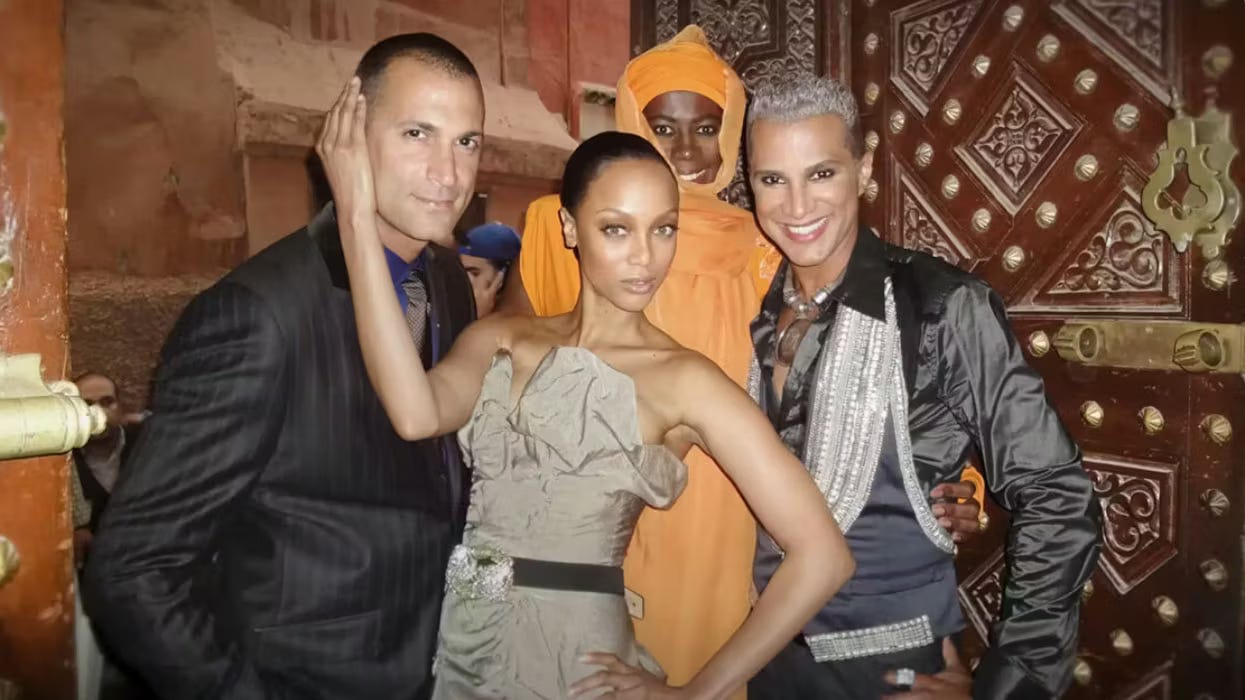
“There are no sacred cows…” it took a lot from me not to throw my cushion across the room when Banks repeated that phrase for the third time.
I don’t have the greatest sympathy for Manual, Alexander, Barker in regard to how they were fired from the show. Manual and Alexander specifically had a part to play in how contestants were treated and each in their own way at some point held some power. However, how they were fired and their relationship with Banks says a lot about the culture of the show and of course about Banks’ option with remaining on top.
Banks icing out Manuel when he wanted to leave the show is ludicrous. The fact that she refused to speak about this during her confessional told me everything I need to know about her attitude to friendship, business, life, and how she viewed and treated those contestants. For his part, Manual go this revenge by writing a very questionable self-published novel about his time on the show.
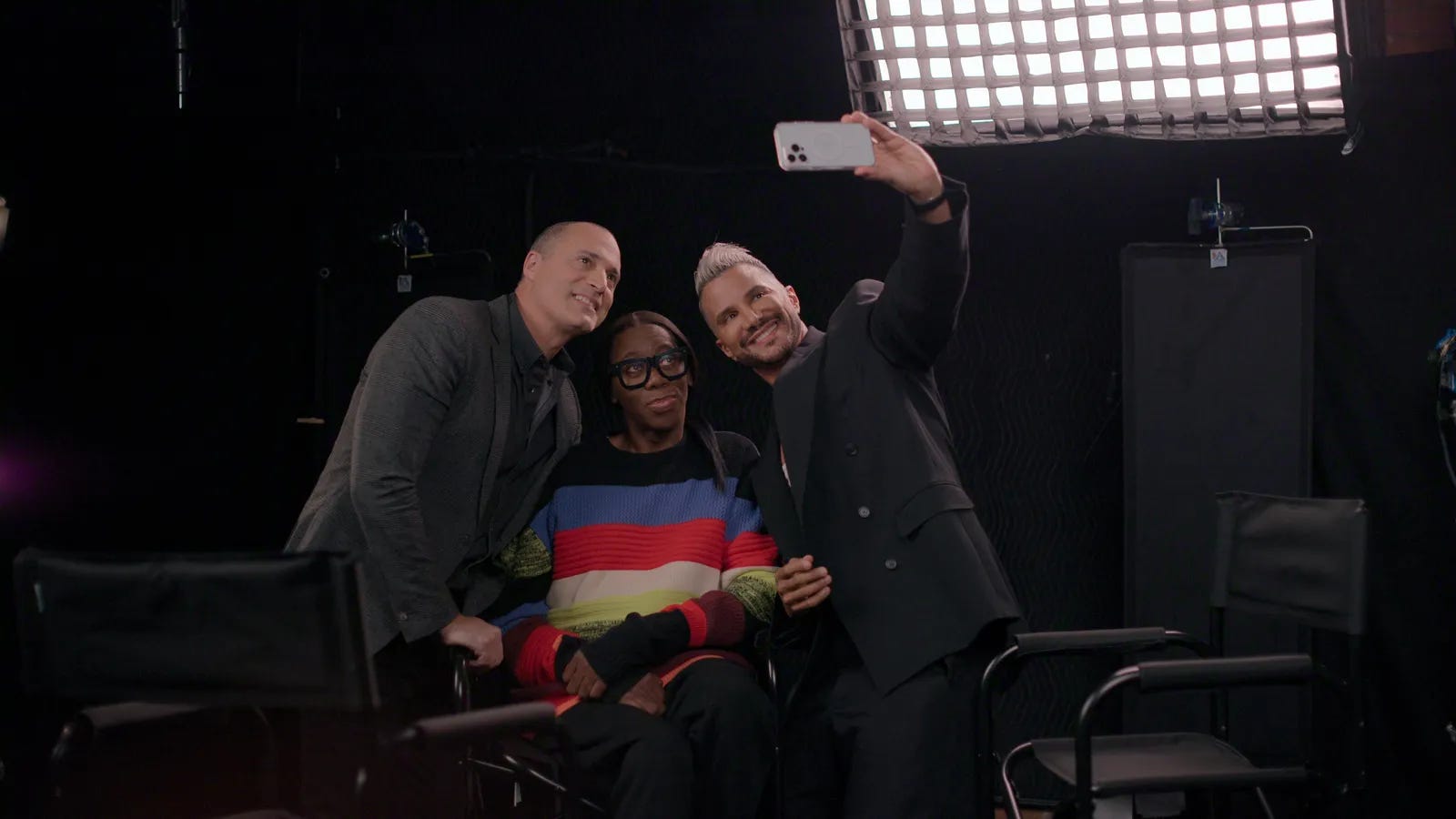
It was very sad to see Alexander in his current state, still recovering from a stroke, unable to walk (yet). Banks, he says, still hasn’t visited him.
The most heartwarming scene on the show was seeing Alexander, Manuel and Barker reunite, the latter two supporting Alexander through his recovery and health journey. Missing, of course was Banks. Not particularly surprising.
Tyra Banks is not OK
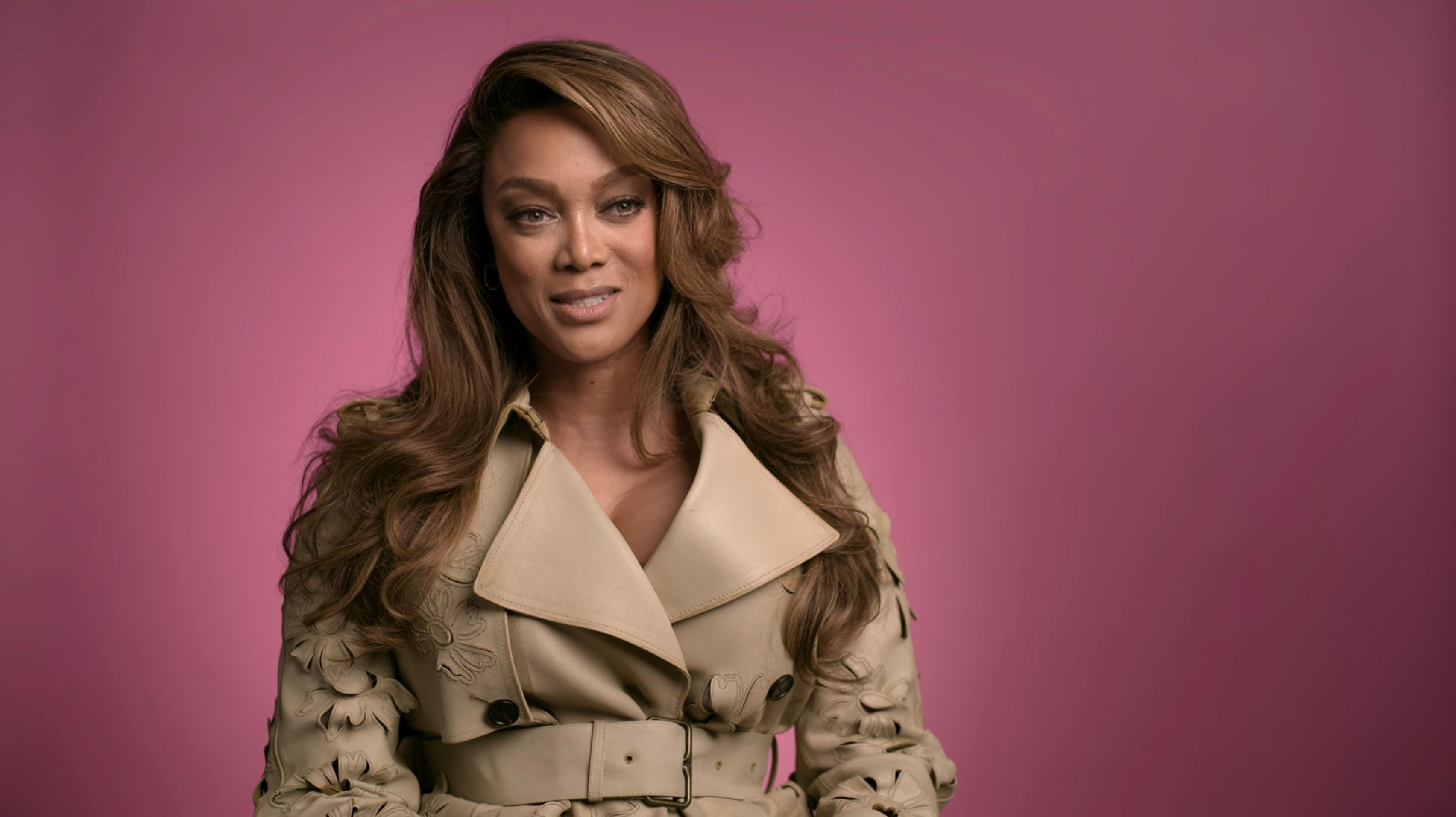
Banks gave us a masterclass in not taking accountability. Full stop.
I have no idea why she decided to be part of this documentary. Is she so delusional to think that blaming the times or the audience for “demanding more” would gain her redemption arc? I read somewhere that she and Monk are hoping for to make a comeback with ANTM and do a cycle 25 – she hinted at it during the documentary, spark in her eye and everything. This to me would be the only logical, strategic reason Banks would do this documentary. It was a marketing move. Banks is so out of touch that she really thinks audiences would rejoice at a comeback.
It’s so clear now, that every move Banks made on the show has been about ratings. This, I believe, includes the “we were all rooting for you” moment with Tiffany Richardson. The other judges and contestants have maintained that the outburst was random, bizarre and out of character for Banks. It wouldn’t shock me that “master editor” knew exactly what she was doing.
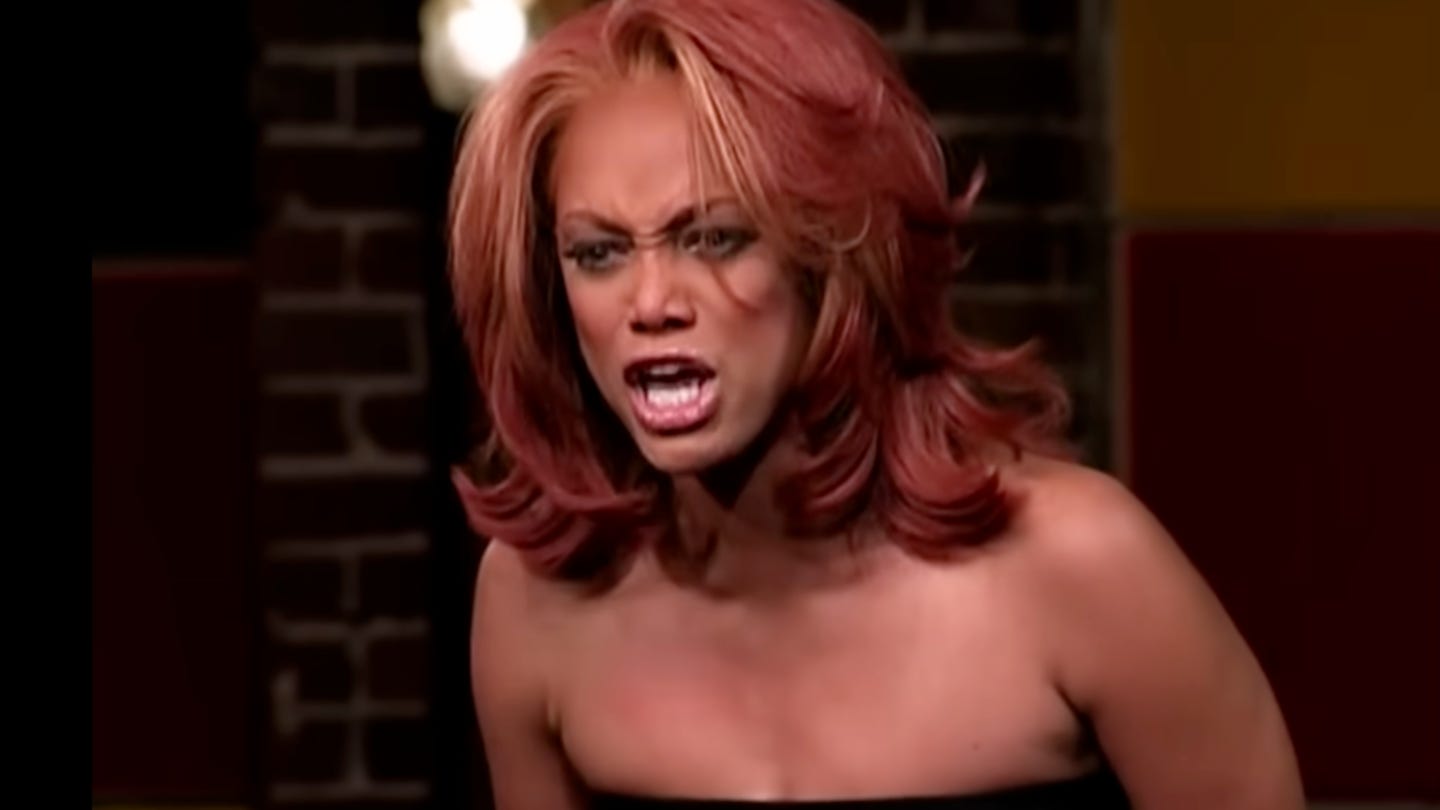
Aside from her apology to Hill, which I maintain feels off, there was absolutely no remorse, no accountability no responsibility taken by Banks who, no matter how she spins it (“even bosses have bosses”) was the face of the show which gave her a certain amount of power and control which she chose to use to further the show and her own agenda over the mental and physical well-being of young girls.
Infuriatingly, Banks kept positioning herself and this show as a favour to the world. She had no problem consistently praising her achievements and struggles to make the show a hit, speaking in sounds bites of memorised messaging, as if narrating her memoirs. Banks is a caricature of herself and she has no clue. She’s disconnected, condescending, unredeeming, some people might even call her sociopathic. To me, Banks is an example of what people will do maintain success and power.
The real question here is does Banks owe an apology to these contestants. Does she owe an explanation to us, the audience who hungerly, naively, and according to her, demanded more of this abhorrent behaviour on TV?
The answer is no. Banks owes us nothing.
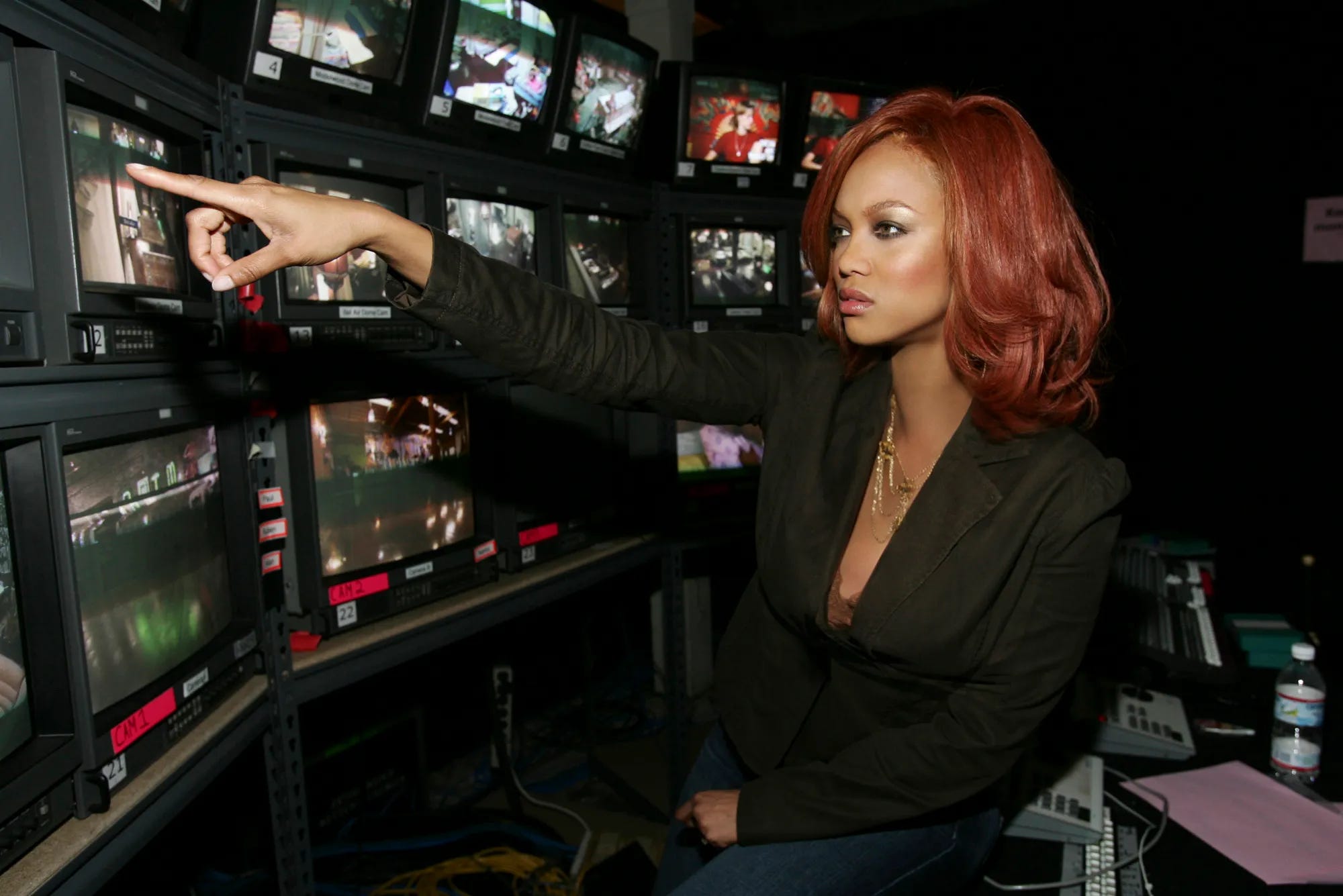
We shouldn’t expect decent, moral behaviour from someone who was, is, part of that behemoth machine that keeps power, fame, and relevancy very much at the forefront of culture.
It’s complicated with Banks. Two things can be true at the same time. We can praise the doors she pushed open for representation but also be aware that the door is part of a house created from fabricated conventions based on the insecurity of the masses for purely commercial gains. Banks created something that to many, feels important culturally but she also is responsible for a lot of hurt and damage. The disappointing part is, Banks can’t, refuses to recognise the later part.
And while we can put all the blame on Banks, it goes beyond that and includes all the judges, producers, studio heads, the whole industry, and even us. Culture meme-fied Banks so that her villainous actions felt like entertainment. Certainly, this proves that “good television” when it comes to reality TV particularly, is usually created by bad people and consumed by the ignorant masses.
If anything, and this is something that continues to creep up in all of my writing, we need to be more critical of what we consume, how we consume it, and why it entertains us. Banks in her deranged obsession to be on top can’t be the reason we remain firmly at the bottom
I believe Shandi.
Accountability, in this case, does not look like nostalgia posts, reunion specials, or algorithm-boosted streams. It looks like refusing to participate. I will not be watching. I will be actively disliking, downvoting, and disengaging from the franchise across platforms. Viewership is currency, and I won’t spend mine on content that appears to have commodified someone’s pain.
As someone who survived DV, editing trauma into a storyline, pressuring someone to perform pain on camera, and framing victimization as wrongdoing is not entertainment. It’s cruelty with a production budget.
Loved reading every bit of this! Watching that doc I realised how much of that show I consumed, I felt like every comment and crazy challenge was stored in my deep memory box, and perhaps I need to reopen it to undo some harsh beliefs I have around my own body image. I think Tyra needs to just go away now, she had a moment, she needs to just show some remorse and move far away from the spotlight.