


Ramadan mubarak and kareem to all of you. I hope this month, whether fasting or not, you will take time to slow down, reflect on life, and count your blessings.
A quick update from me and The Culturelist. It’s been a very busy December and January. Not to be that online person bread crumbing secret projects, but there a lot of cool things coming up that I’m looking forward to sharing with all of you.
So, watch this space.
As usual, I always appreciate (truly I do, you have NO idea) all of your DMs and support whenever a piece of news - pop culture or otherwise - is circulating the newsfeeds. It’s an absolute passion of mine to break down stories from every angle and put them back together to figure out what we are consuming. For example, this week’s question:
Why did Tyra Banks repeat the phrase sacred cows more times than was comfortable to hear?
Continue scrolling for more context. Would love to know your thoughts.
Given the Ramadan spirit we have found ourselves in (how did it come about so quickly?) I was very excited to research and create a listicle on works by Arab artists that explore faith and community. Scroll down to explore those works.
One of the first things I did this week was switch on Netflix and binge Reality Check: Inside America’s Next Top Model. It was deeply uncomfortable and sad not only listening to the stories of young women who were taken advantage of, but realising how such disturbing circumstances were packaged as entertainment to us, and that we consumed it so willingly. More on that, and Banks’ sacred cow obsession below.
Interestingly enough, in the pop culture history deep dive I did last week, the theme of what we collectively find entertaining found its way in the intriguing history of Gwyneth Paltrow and Winona Ryder’s friendship. It’s all very late 1990s glam and drama. For those of you who miss my voice, you can hear me read that story to you. I suggest you listen while working out, the story of the 90s it girls is so entertaining you won’t mind an extra five minutes on the treadmill.
I chose one of the Arab world’s most pioneering entertainers. Taheyya Kariokka changed the perception of belly dancing while also being unapologetically independent and ahead of her time.
If you’re looking for some new exhibitions and Ramadan cultural activities across the UAE, check out The Exhibition List. And, from earlier in the month, the very exciting news about a record breaking Saudi art work at the Sotheby’s Diriyah auction by one of my favourite female Arab artists.
All that and more for this week’s round up at The Culturelist. And as usual do like, share, and force your friends and family to subscribe.
Enjoy,
Maan Jalal
Tyra Banks and the ANTM Reckoning: Five Brutal Truths After Netflix’s Reality Check
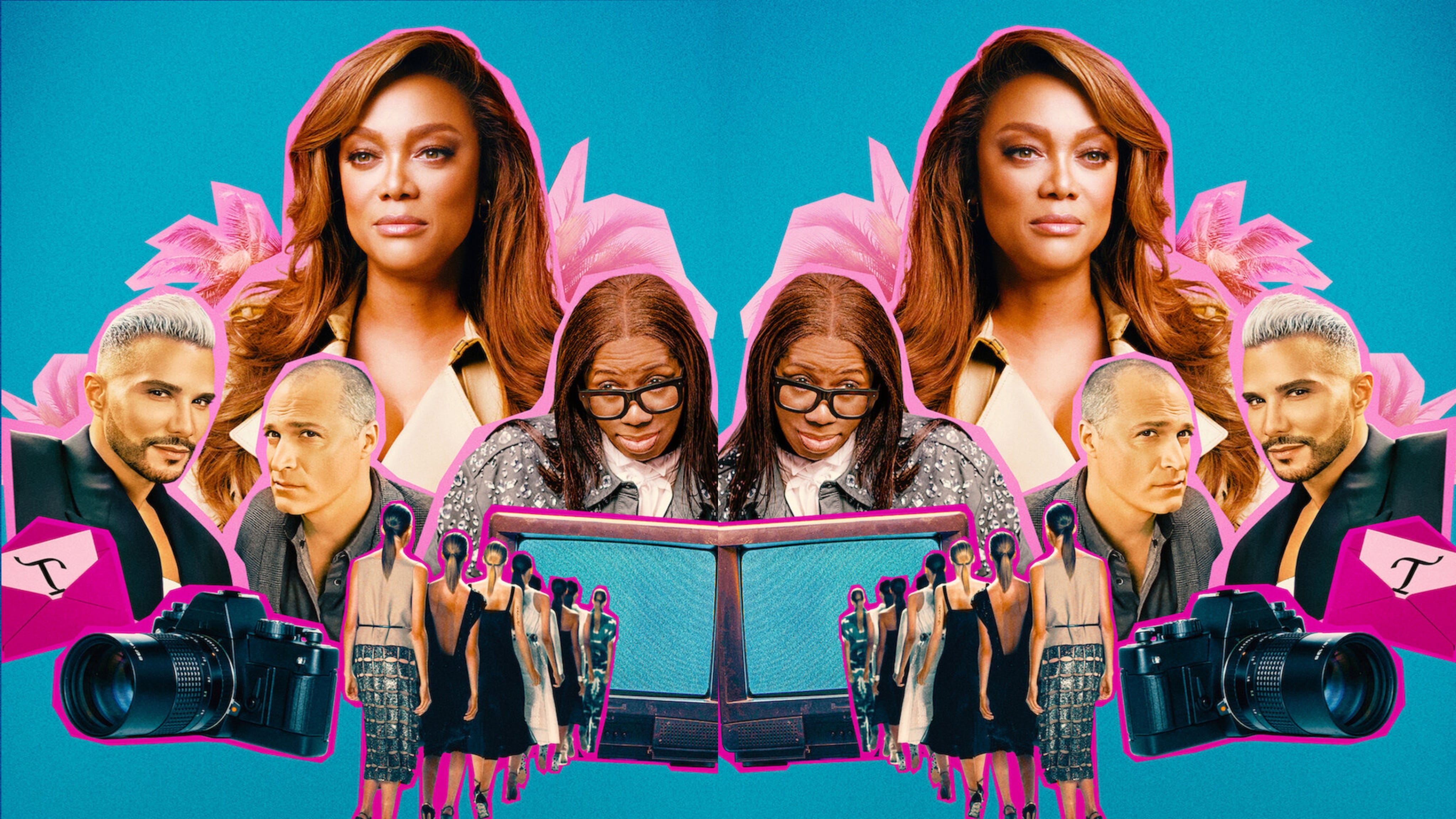
It’s no surprise that America’s Next Top Model (ANTM) didn’t age well. Plenty of things don’t. But… Read More
The Exhibition List: Contemporary Art on Spirituality and Group Shows in the UAE
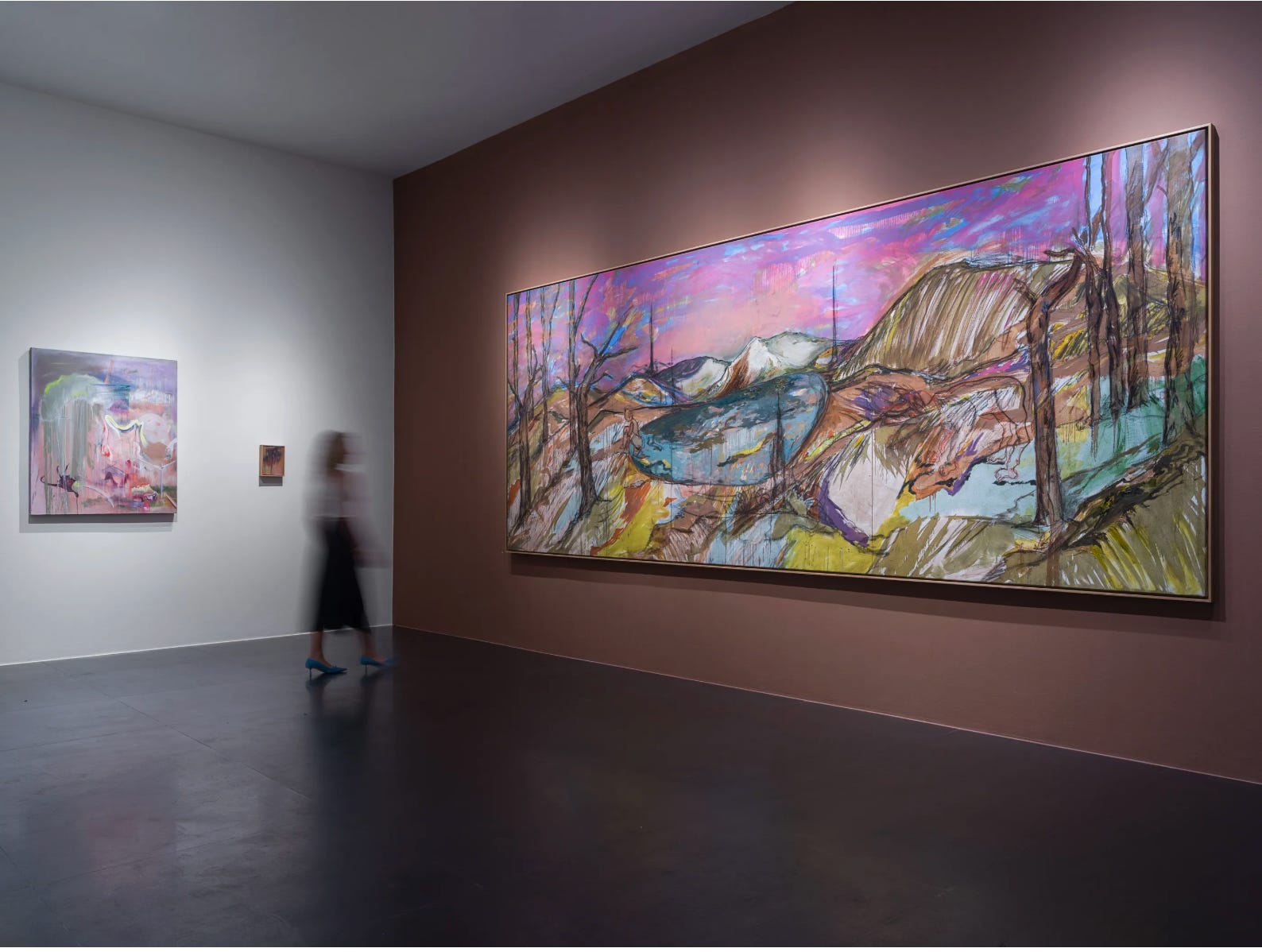
This week’s exhibitions move between ritual, land, memory, and spiritual inquiry… Read More
7 Arab Artworks That Explore Faith and Spirituality for Ramadan
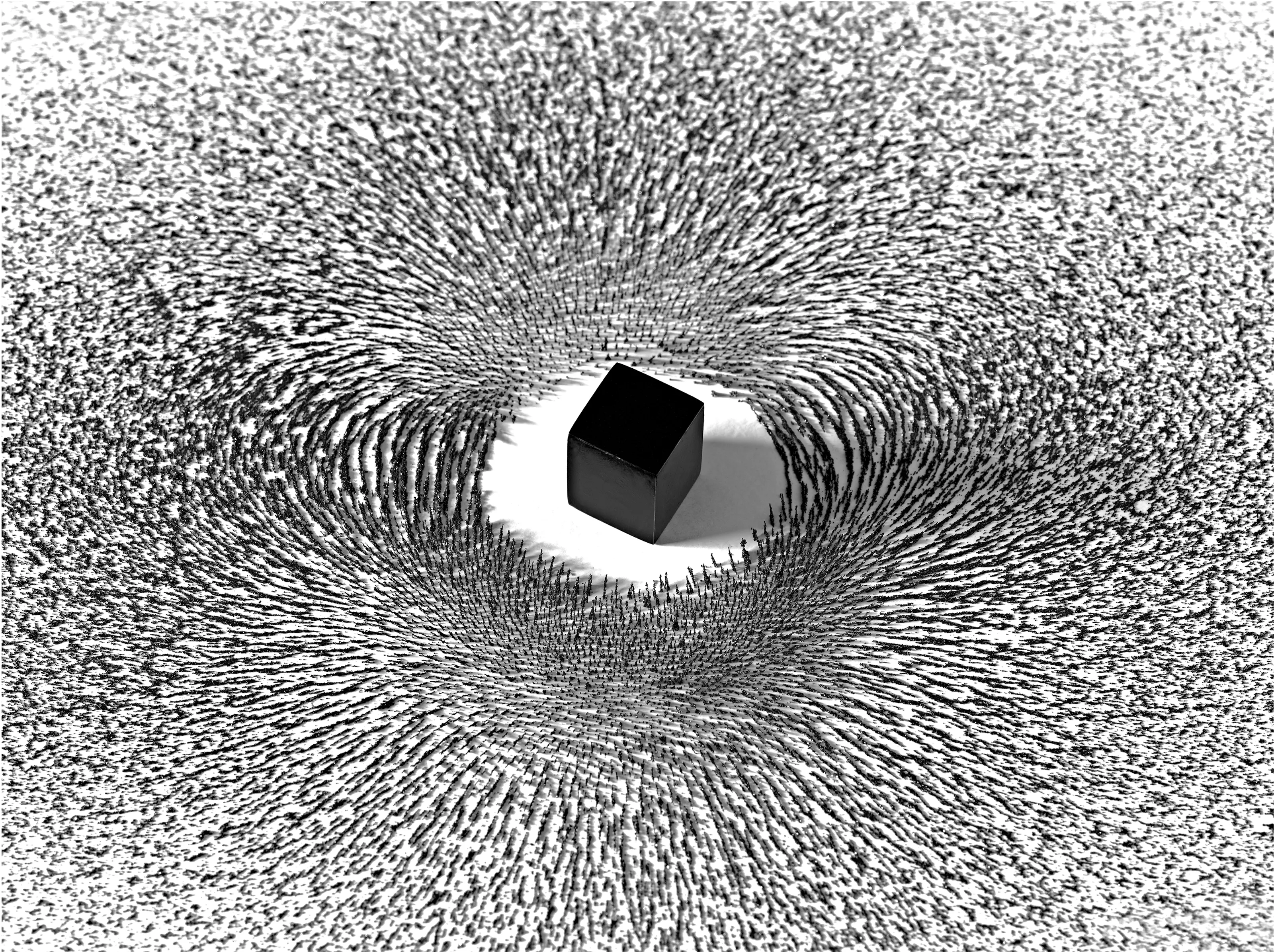
A curated selection of modern and contemporary Arab artworks exploring faith, sacred space, and the rituals that shape Ramadan… Read More
The Rise and Fall of Gwyneth Paltrow and Winona Ryder’s Friendship, and Hollywood’s Obsession With Female Conflict
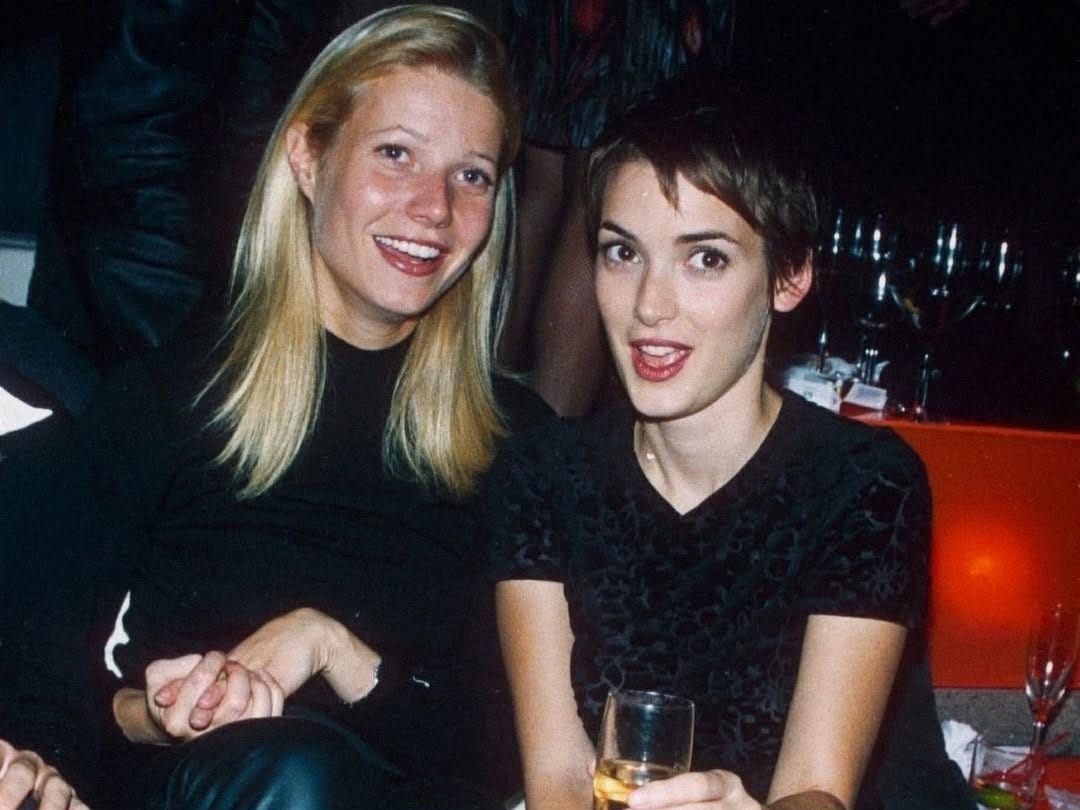
From 90s it-girls to pop culture myth, and why the system still profits from women falling out… Read More
Quote of the Week | Taheyya Kariokka
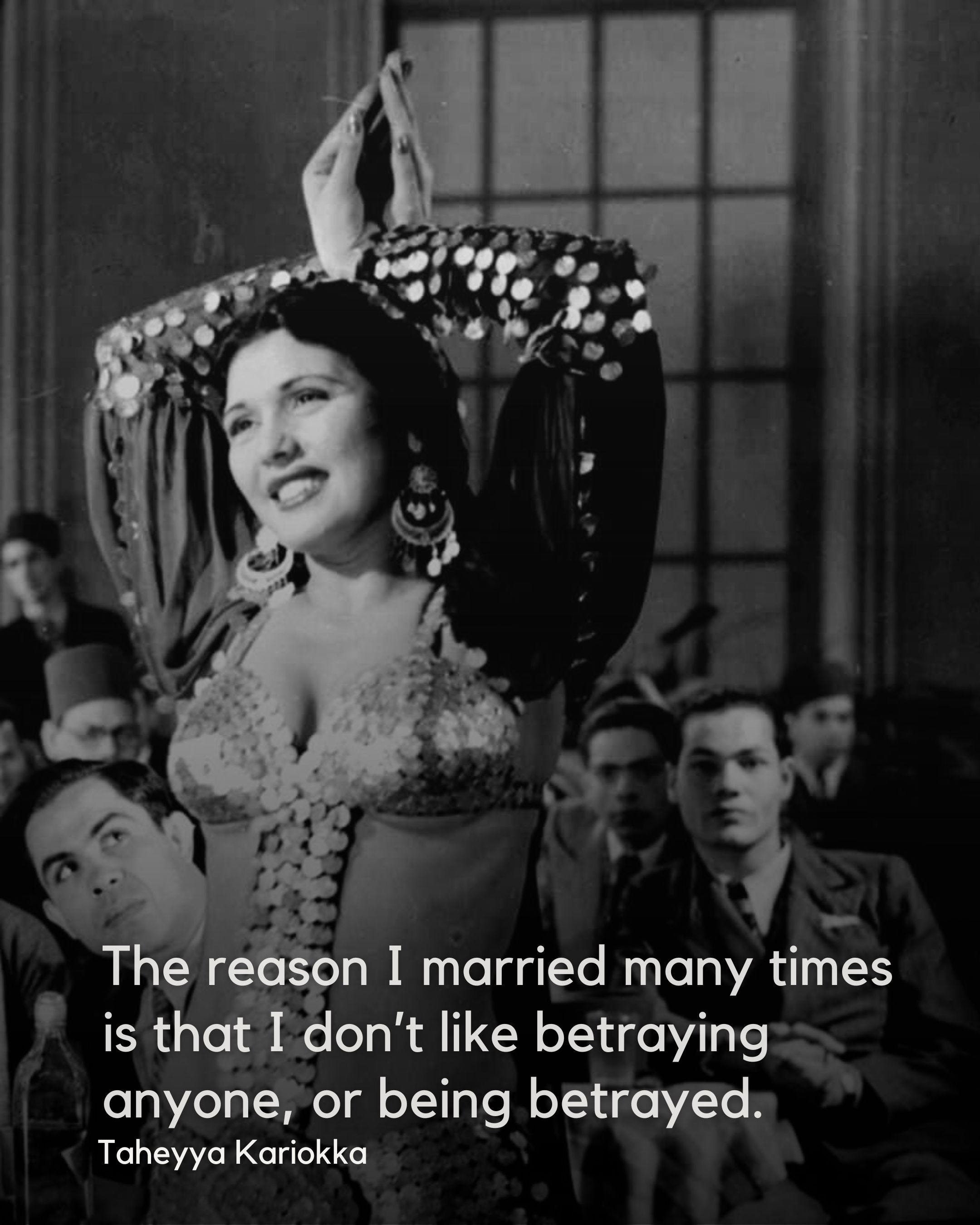
Taheyya Kariokka was one of the most formidable figures of twentieth-century Arab performance. Born in 1915, she rose to fame as a belly dancer before becoming a celebrated film and theatre actress, reshaping the public image of the dancer from nightclub entertainer to a serious art form and cultural force. Another quote I love of hers reveals her foresight and how in tune she was with the entertainment industry:
“Theatre is the closest to people, and TV will become a monstrous whale that devours cinema.”
Fiercely political and outspoken, she was briefly imprisoned for her activism. Married fourteen times, Kariokka remained unapologetically independent, maintaining personal agency in both her art and her private life.
New Auction Record for Saudi Art: Safeya Binzagr’s $2.1 Million Sotheby’s Diriyah Sale
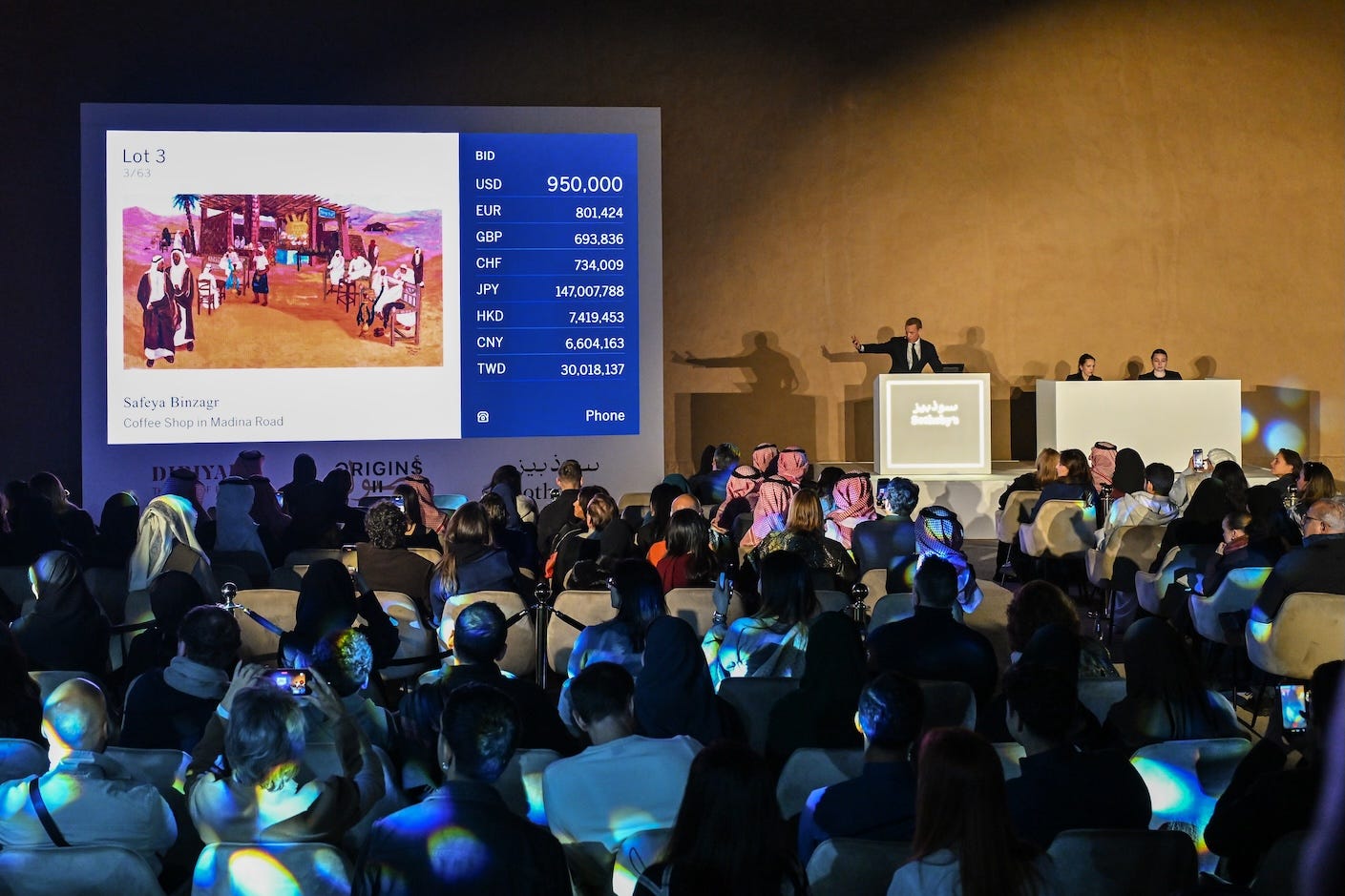
See the full list of Saudi and Arab artworks sold at Sotheby’s Origins II, including the record-setting sale… Read More