


One of my favourite opening scenes in Arab cinema comes from Hasan and Naimah, directed by Henry Barakat in 1959.
The film opens with Naimah, played by Soad Hosny, watching a poor village singer, Hasan, played by Muharram Fouad, perform at a wedding. She’d seen him perform before and was completely infatuated by his voice and presence.
As he leaves the wedding, Naimah secretly approaches him and introduces herself. This is a bold act that defies village customs, especially given Naimah’s status as a young woman from a well-known, wealthy family.
In their first conversation, when Hasan asks her where she came from, Naimah responds that she came from “above” - meaning upstairs. The line also has a veiled double meaning, that like an angel, Naimah descended from some high divine place into his life.
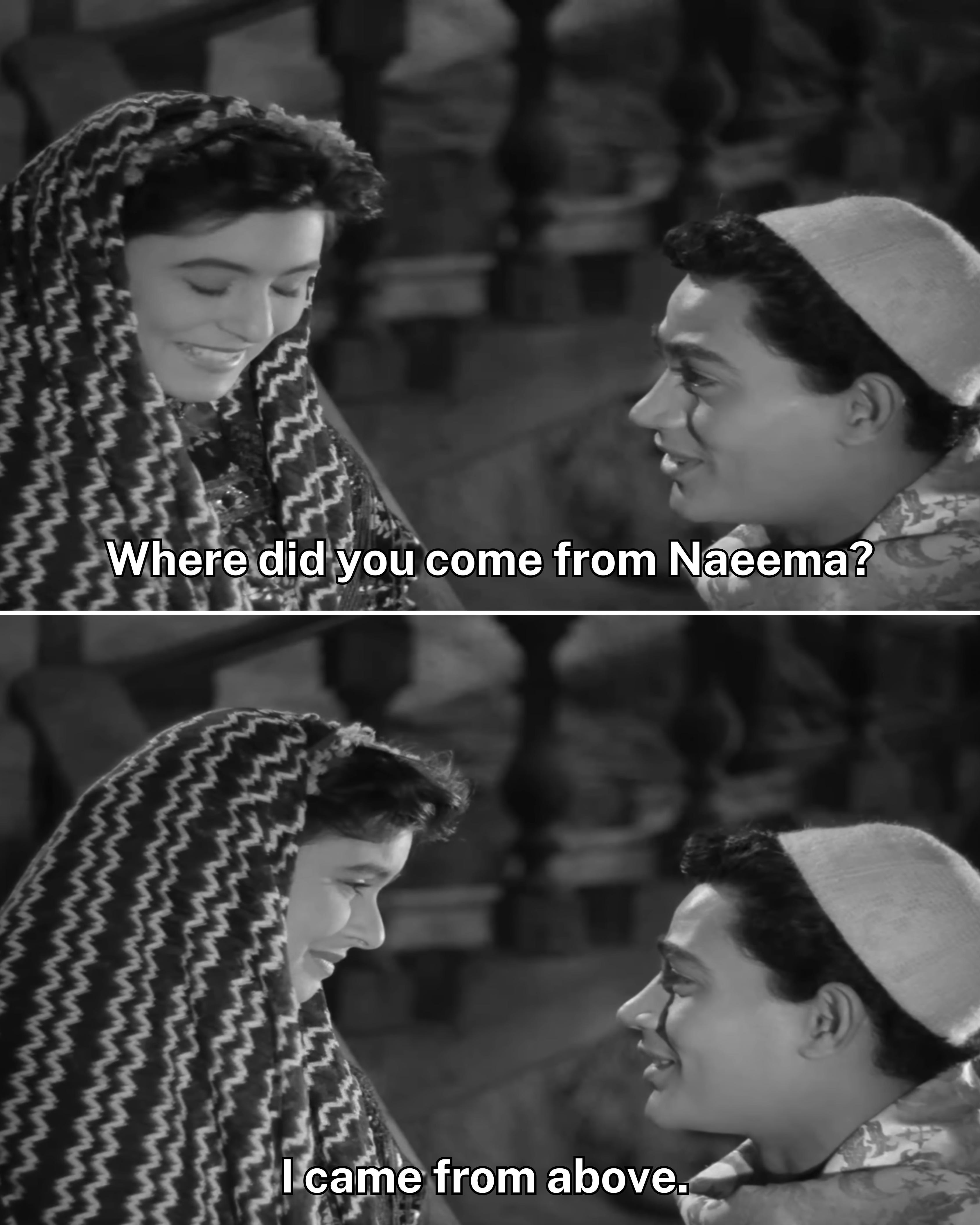
Not only is this conversation and particularly this statement sweet and perfectly captures innocent, teenage love and infatuation, but I can’t help but compare Naimah’s words to the way in which Hosny herself entered public life.
Through this film, her first, she was introduced to the Arab world, which collectively became entranced by her presence and talent. Her natural charisma on screen, her blend of purity and allure, and her obvious talent, felt otherworldly to audiences and it didn’t take long for her to gain the title of “Cinderella of the Screen.”
It’s hard to believe that Hosny was just 15 or 16 when she starred in the romantic drama. Her talent is undeniable, and when you consider her age, its astonishing.
The camera loves her. She is present and glowing in every scene. And despite the generic character of the innocent young village girl, Hosny transforms what could have been a flat character into someone layered and compelling.
Naimah is sweet and innocent but bold and determined, never annoying, never predictable, always endearing.
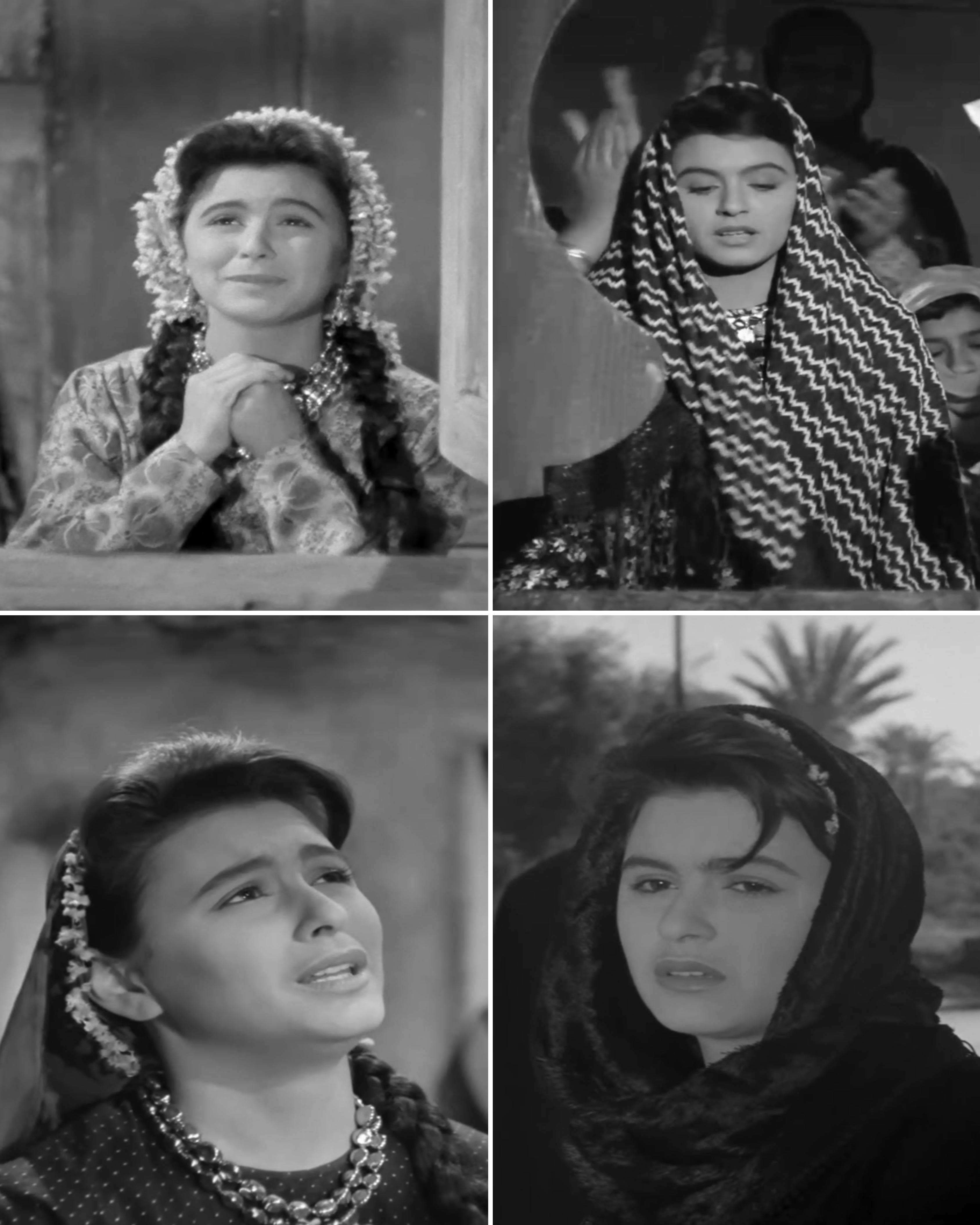
Barakat’s sensitive direction is another reason why Hosny’s performance feels so nuanced and emotionally grounded, while his visually storytelling reinforces the film’s larger themes.
Hasan and Naimah is a story inspired by an Egyptian folk tale, making it unique that it grapples with the universal theme of love between different classes but within a very specific setting and time.
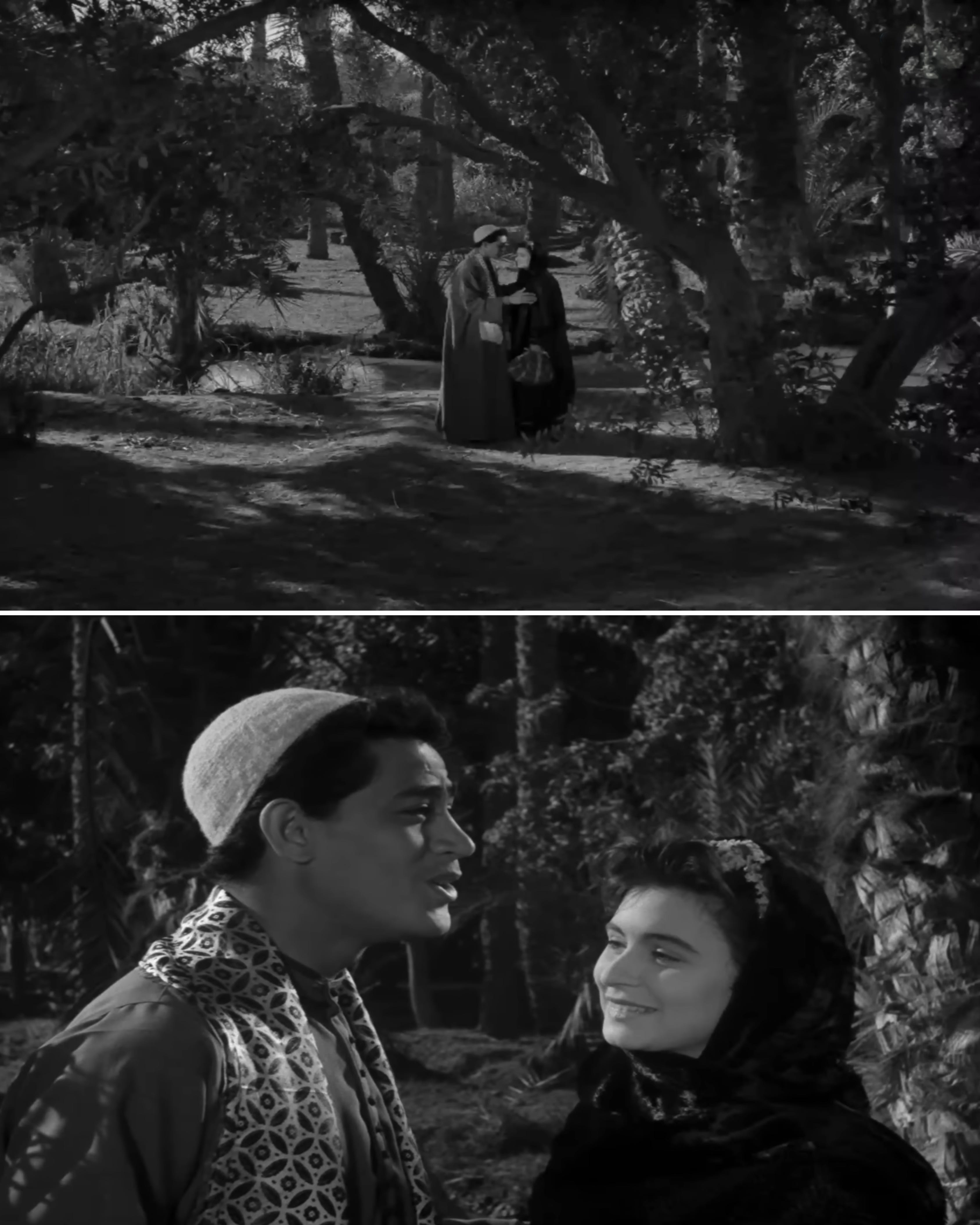
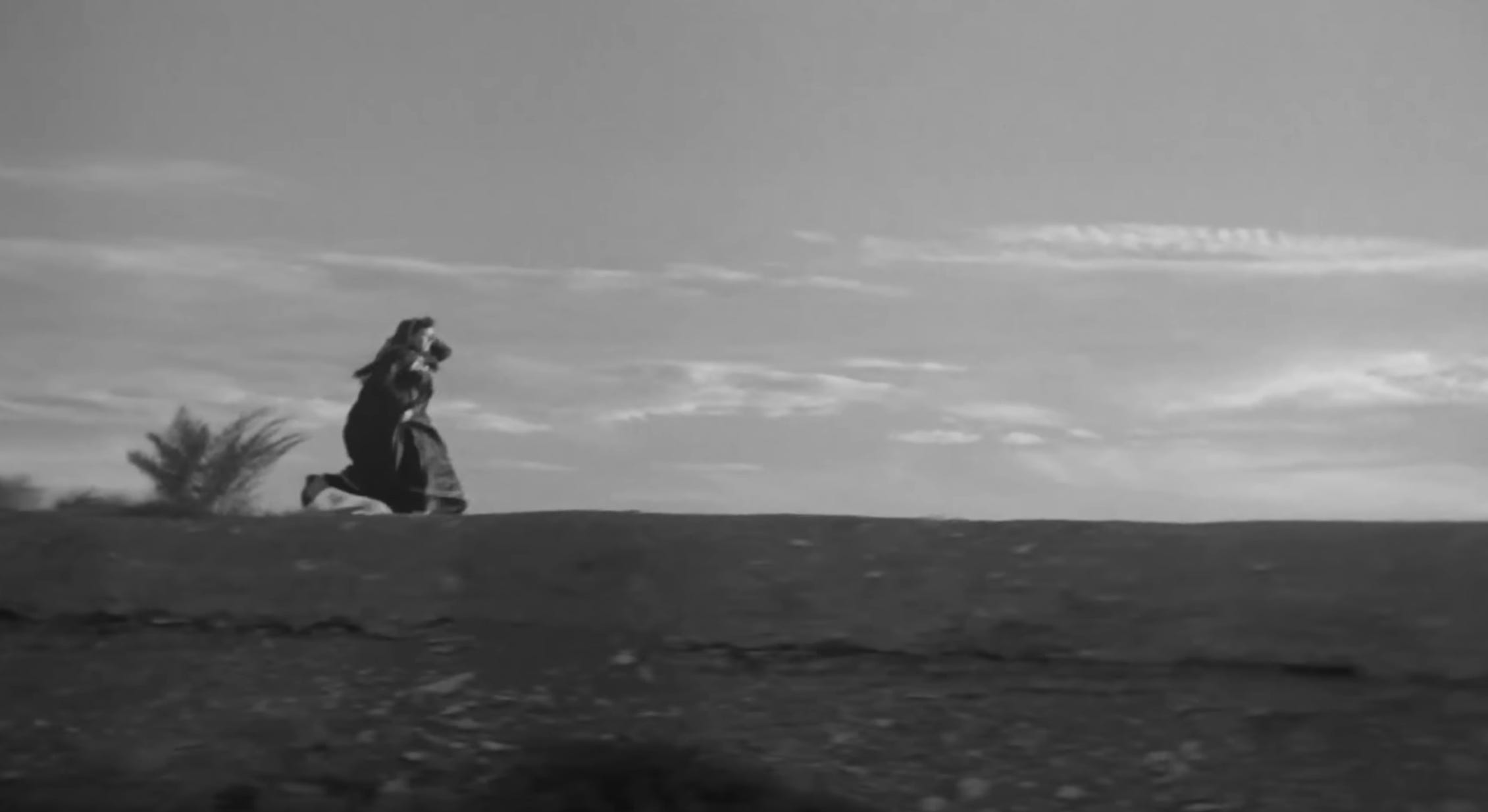
Through his thoughtful and balanced compositions, even in action scenes, Barakat’s storytelling weaves Hasan and Naimah’s love story into the fabric of village and country life in Egypt.
Barakat beautifully captured the Egyptian countryside and effortlessly depicts how villagers are part of the land, emerging from the bush, palm trees and even the earth itself.
He also cleverly injects concepts of greed, desire, patriarchy, justice and tragedy by positioning Naimah as a figure who represents these concepts through the perspective of other characters.
Atwa, played by Mahmoud El-Sabbaa, is the antagonist, attempting to coerce Naimah into marriage. He doesn’t only desires Naimah but sees her as his path to wield power over the village, one he already exercises through threats of violence and by mocking other villagers such as the simple-minded character known as Sabihah’s son, played by Mohammed Tawfik.
Naimah is the only heir to her father’s land and fortune. Marrying her will ensure Atwa’s hold over the village while also aligning himself with Metwali, Naimah’s father, played by Hussein Asar.
Metwali shares many of the staunchly dominate traits with Atwa. He expects Naimah to bend to his will and marry Atwa to ensure his land doesn’t fall into the hands of outsiders.
Abdul, played by Hassan el Baroudi, is the village wise man, and a close friend of Naimah’s father and at one point reprimands him for his cruelty, which “caused your wife’s death and will lead to your daughter’s demise.”
Abdul represents an important voice in the film. He sees Naimah as a victim of her father’s cruelty and Atwa’s ambition, but doesn’t resort to violence, as others in the village are prone to doing. Abdul attempts to wield common sense, justice and his unyielding moral compass above village traditions in attempt to change Naima’s fate, while still seeing violence as necessary but only as the very last resort.
Hasan and Naimah is a sweet film and a beautiful portrait of the Egyptian countryside and her people who are passionate about justice, truth, and their land. Even in this provincial village ruled by the often harsh laws of the land, the film reveals that these people are great champions of true love and storytelling.
Hasan and Naimah is the film that marks the beginning of Hosny’s rise as one of the Arab world’s most beloved stars, and the perfect way for me to document a new series I’m starting on The Culturelist.
Watching Souad is my exploration of Soad Hosny’s extraordinary body of work – over 80 films spanning three decades that chart not just the evolution of an actress, but of Arab cinema and contemporary culture.
Through revisiting and reviewing each film, I want to understand more about this mercurial, magnetic figure whose talent defied convention and whose legacy, despite her enduring influence, hasn’t been celebrated in the manner it and she so rightly deserves.