


From the Editor
For the last five years, I’ve been self-editing how I speak, focusing particularly on the use of one word. Hate.
Rarely did I ever actually hate a thing, but I used the word freely to express a myriad of situations, instances, activities, or people who frustrated, irritated, angered me. I’m not sure how this habit started, developed, and became a staple in how I expressed thoughts.
I do have some theories.
It might have something to do with being a person who is generally passionate (sometimes obsessed) about a lot of things in culture.
When stories, characters, ideas and concepts in popular culture drive so much of one’s interest, inner monologue, and, with the right people, conversation or debates, it helps to use the most extreme word to get the point across.
For example, when I was 12 and saw Peter Andre’s Mysterious Girl music video for the first time, it was important for me to be clear on where I stood:
“I hate that music video, it looks like it was filmed on a bad video camera, and it doesn’t make sense. He’s a loser.”
I can still see the look of utter disdain on the faces of my school friends. They didn’t get it. I was a big Michael Jackson fan and to me, a music video was a sacred thing that had a story, incredible visuals, amazing dancing. I was a snob at 12, but I didn’t hate the music video I was simply affronted by it.
To be clear, I think it’s a brilliant music video now. Take note, taste does develop over time.

The other reason I believe the word hate managed to seep into my personal lexicon and fester for so long was, maybe, it has something to do with being bilingual.
I have no linguistic evidence to back this up, but I’ve always spoken both English and Arabic and I recall, especially as a very young boy, when expressing my thoughts, despite being a fast speaker, I would freeze, use filler words or speech disfluencies.
In my mind I was trying to translate from one language to the other in order to find the right word. When it would take too long (as in more than .5 of a second) the neurons would fire away and select the most basic umbrella term for what I needed to say.
Hate often sufficed.
This, I also believe is why I prefer writing to talking. In writing we take our time, we search for the right words, we linger on thoughts, we edit.
Thank God for editing.
So, hate persisted, whether I meant it or not (often not) in my speech, and I didn’t comprehend the stain, the stench it speared across all facets of my conscious and subconscious.
Then, once when I used the word, as I often did, nonchalantly, my godson, six at the time, said “that’s a bad word.” I was about to roll my eyes at the crazy, cute things children learn at school when I realised, almost instantly that he, and whoever taught him that, was right.
Hate is a bad word. But not for the reasons you might think.
Obviously to truly hate something means to loathe it with all your being. It doesn’t take a genius to know that this energy is not good for the mind, body, and soul.
But the constant use of the word hate, also flattened out my vocabulary. It erased the nuanced thoughts and feelings I had, or wasn’t aware I had, through the use of one extreme idea.
Hate does still slip out every now and then, but I’m conscious now of what it can do so I reel it back and find the right word that makes sense. Through this exercise I’ve realised I really don’t hate many things at all.
Almost none actually.
There are a hundred more accurate ways to describe that in life which doesn’t agree with us. And, by using specific words instead of the most toxic one, I’ve found that I can come to terms with or eliminate a thought, feeling, or problem almost entirely.
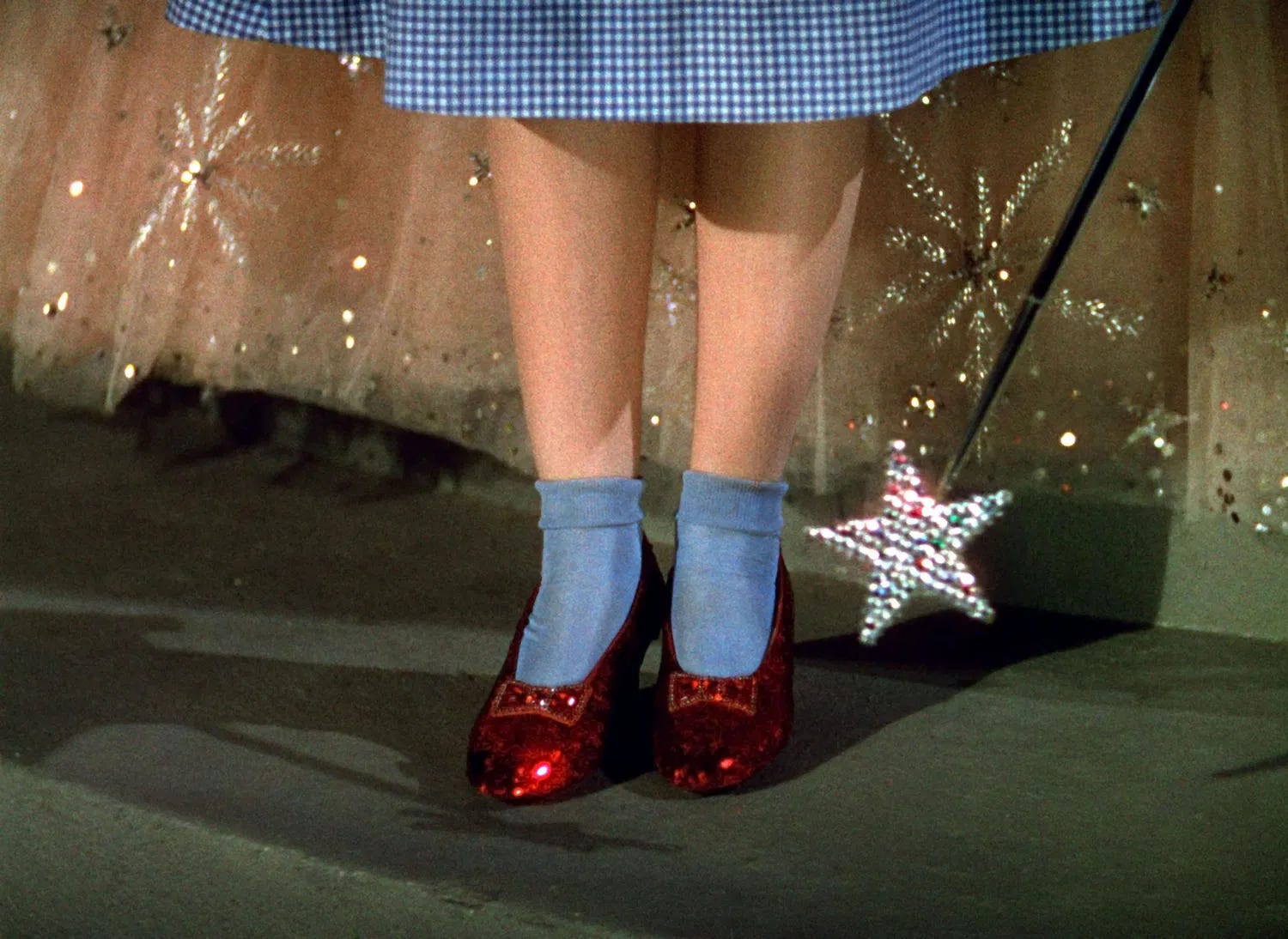
And just like Dorothy in the Wizard of Oz who was wearing those ruby red slippers the whole time, the very magical item that could take her back home, I too had the answers with me all along. I knew all the words I could use to replace hate. Even by my late teens thanks to the habit of obsessive reading since childhood, I’d accumulated a fine collection of words to use.
But I never did use them.
I was too busy talking way too fast, even way too passionately (yes, there is indeed such a thing) to find the right words, for the right idea, for the right moment.
Words are a gift. The more words we know, the richer we are. Slowing down is crucial to the formula of using our vocabulary to the full extent of its powers. It means we are being thoughtful in how we use the words we already know.
And, the more words we use accurately the more peaceful we’ll feel.
This Week in The Culturelist…
82 Thoughts I Had While Watching Christopher Nolan's The Odyssey

I’ll be honest. I mean I always am.
Why the Australian Prime Minster apologising to Kylie Minogue is actually funny

You’ll rarely find any political or sport content here unless it intersects with pop culture in a nuclear way.
House of the Dragon Season 3, Episode 4 Recap And Review: Ormund Hightower is a freak

So I’ve decided for the time being to do two episodes of The Voice Note a week - one that will come out Monday night, completely dedicated to House of the Dragon Season 3 recap and review and another episode on Wednesday evening about all the other pop culture stuff I do.
The Exhibition List: Art, Identity, and Cultural Memory

Spanning countries and cultures, this week’s exhibitions ask how art records the world around us.
The Culturelist Picks…
Watch this week's books, films, exhibitions and cultural discoveries.
The Culturelist Recommends…
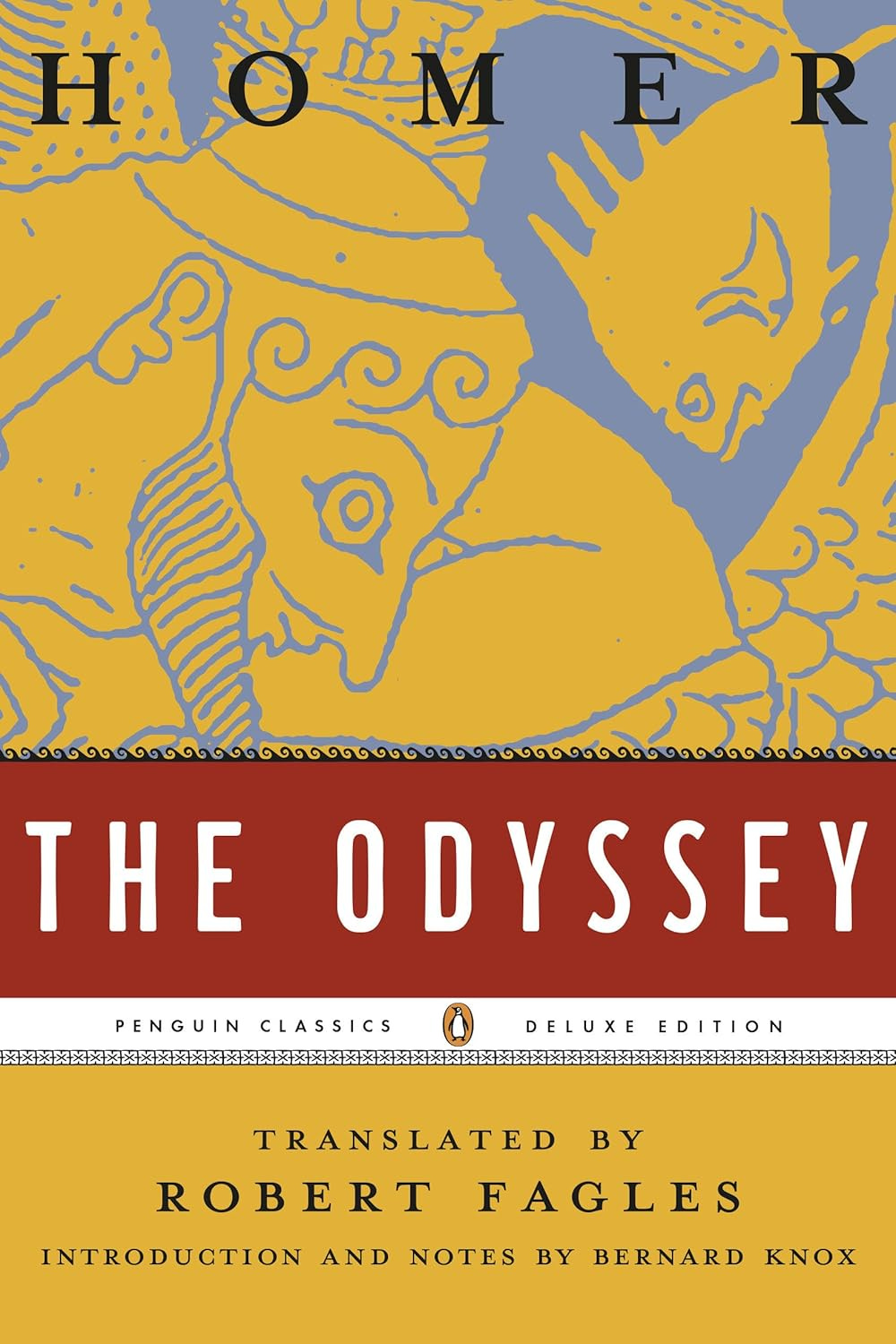
If you’ve read my review of Christopher Nolan’s The Odyssey you’ll know why I’m buying this book this week.
More than 2,700 years after it was first composed, The Odyssey remains one of literature's greatest adventures. Robert Fagles's acclaimed translation captures Homer's wit, poetry and emotional depth, making the epic journey of Odysseus feel vivid, immediate and remarkably accessible for modern readers - which is so very important in my opinion. You can buy it here.
This Week’s Quote…
I’ve been reading through Jospeh Campbell’s seminal book The Hero with a Thousand Faces, such an important read for writers, readers, and anyone who is interested in how stories are constructed.
His study of the hero through comparative mythology can be described in one quote from the book that uses so little to say so much.
A hero ventures forth from the world of common day into a region of supernatural wonder.
This Week’s Question…
After recording my recap on The Voice Note of episode four of HBO’s House of the Dragon and watching Christopher Nolan’s The Odyssey, it’s made me think a lot about how we watch films and TV shows now, what keeps us captivated and what leaves us bored.
And so, I pose this question to you:
What makes you stop watching a film or TV show before finishing it?
Thank you as always for your subscription to The Culturelist and please enjoy this week’s collection of stories.
See you next week,
Maan Jalal