


Ziad Rahbani, the eldest son of Lebanese music royalty Fairuz and composer Assi Rahbani, has died at age 69 in Beirut, reportedly of a heart attack early on 26 July 2025.
Born in Antelias in 1956, he composed his first song at just 17 and carved out a distinctly modern voice blending jazz, funk, classical, and Oriental music
In the early 1970s, his socially aware plays like Nazl el Sourour (Happiness Hotel) and Bennesbeh Labokra Chou? (What About Tomorrow?) launched him as a bold theatrical voice, using satire and dark humour to challenge Lebanon’s corruption and sectarian politics.
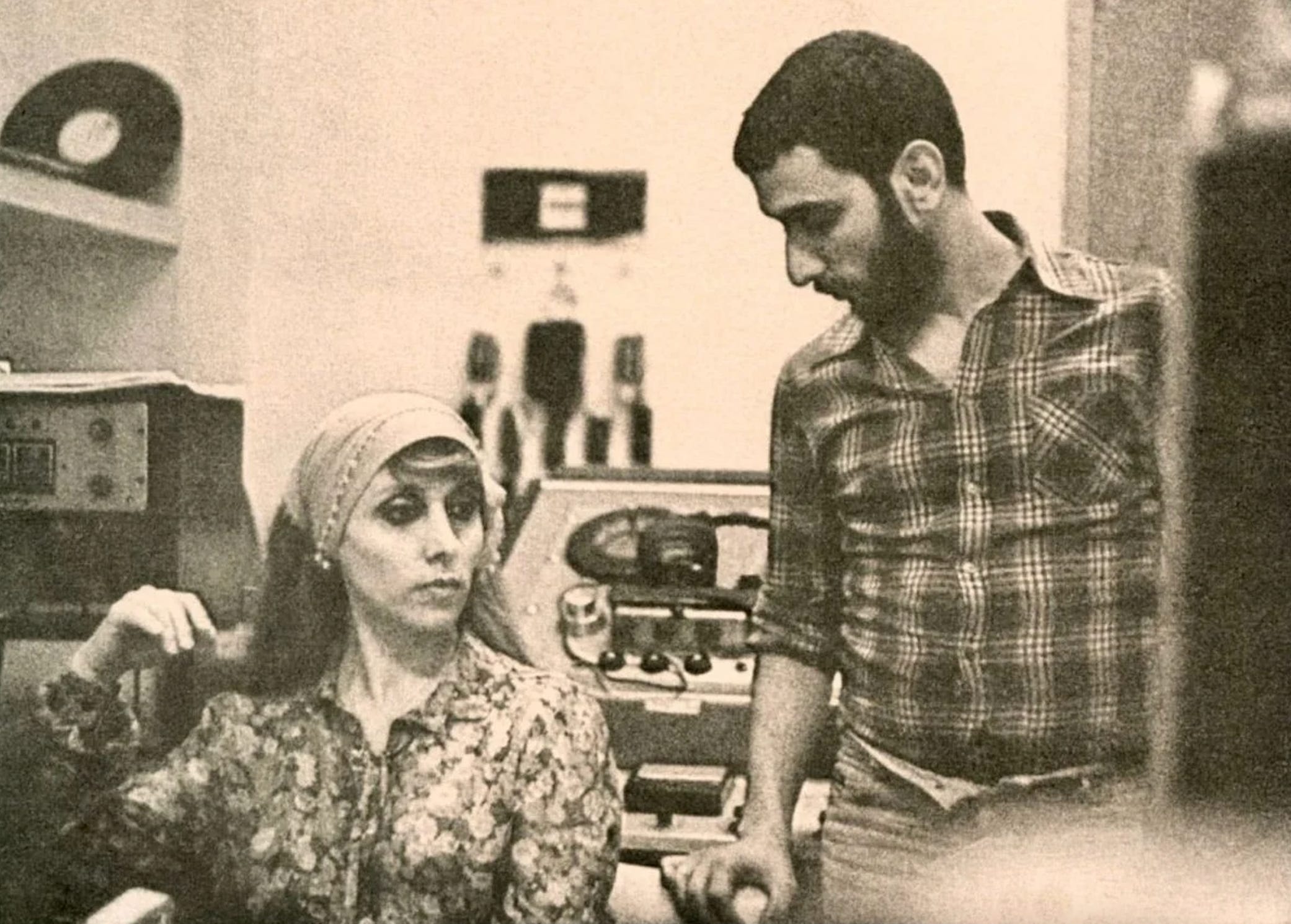
His work with Fairuz, including classics such as Kifak Inta (How Are You) and Bala Wala Shi, (Without Anything) showed his unmatched talent at creating emotive melodies and reflective minimalist lyrics. They also changed the trajectory of his mother’s career, where she unapologetically address more politically infused themes.
Politically committed, Rahbani was a lifelong leftist and supporter of Palestinian causes. His art unsettled elites and spoke for the marginalized, making him a cultural conscience for many Lebanese people.
He remained reclusive in later years, but younger generations discovered and celebrated his uncompromising vision through his plays, recordings, and sampled music in the protests and online circles emerging across the region.
Lebanese President Joseph Aoun called him a “complete intellectual and cultural phenomenon,” a defiant voice who gave dignity to struggle and helped redefine Lebanese identity through his art.
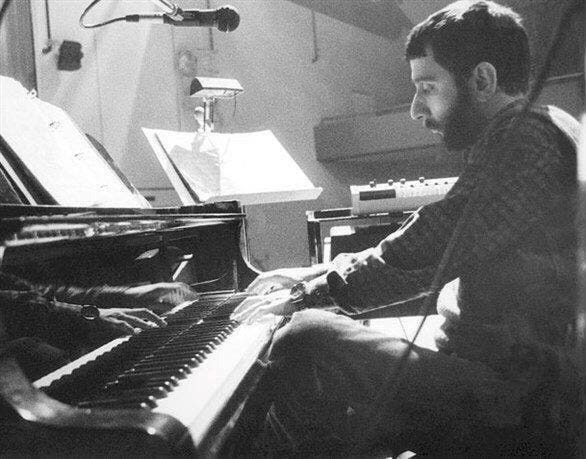
“Ziad Rahbani was not just an artist; he was a complete intellectual and cultural phenomenon. More than that, he was a living conscience, a defiant voice against injustice, and a true mirror for the oppressed and marginalised. He gave voice to people's pain and played on the strings of truth without hesitation," he wrote on X.
“Through his committed theater and his music overflowing with creativity, oscillating between classical, jazz, and oriental music, he offered a unique artistic vision, opening new windows to Lebanese cultural expression, brilliantly achieving universality.”
Rahbani wasn’t just a composer or dramatist, he was a voice of resistance and a visionary whose melding of musical forms and political commentary reshaped Arab cultural expression.
Rahbani’s catalog is rich and politically charged, but here are five of his most iconic and beloved songs picked by the The Culturelist.
Bala Wala Shi (Nothing or Something)
Full of melancholy and sharp commentary on emotional disconnection and political apathy, the haunting arrangement and sparse lyrics have made this song one of Ragbani’s most enduring pieces.
Kifak Inta (How Are You?) performed by Fairuz
A Fairuz classic, but written and composed by Ziad, this song redefined the modern Arabic love song with its bittersweet tone and minimalist jazz influences.
Ayshee Wahda Balak (She Lives Without You)
A moody, piano-led ballad with a cinematic feel. It captures Rahbani’s ability to make personal longing sound like social critique.
Ana Mosh Kafer (I’m Not a Heretic)
One of his more defiant and controversial tracks, this song blends religious commentary, existential dread, and leftist politics into one hypnotic loop.
Esmaa Ya Reda (Listen, Rida)
A standout from the musical play Bennesbeh Labokra Chou?, this piece showcases Rahbani’s skill in writing dialogue-driven, character-rich songs that feel as much like theatre as music.